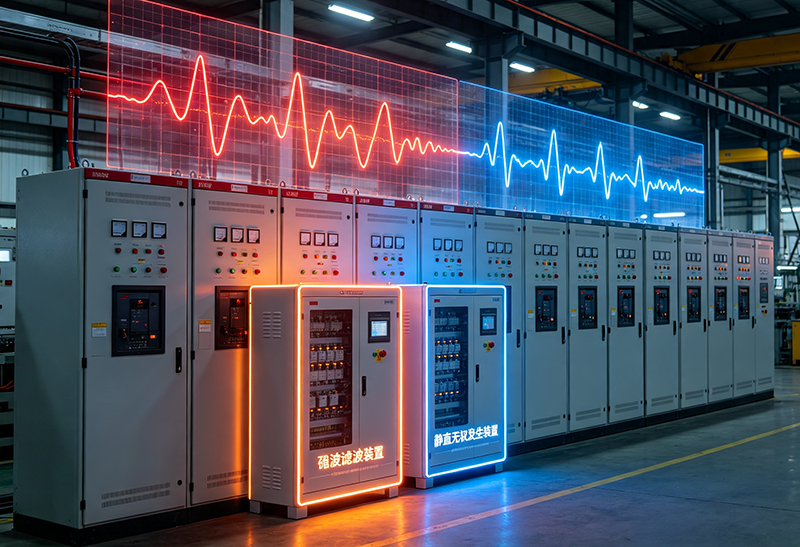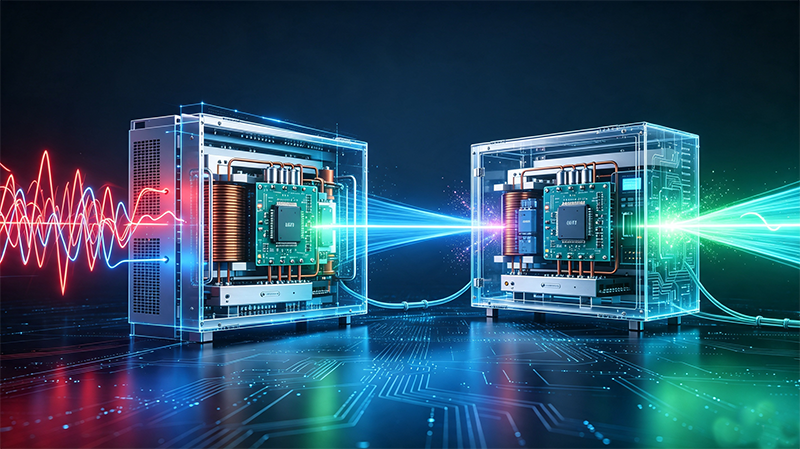
Giới thiệu: Tại sao việc điều chỉnh hệ số công suất lại quan trọng trong trung tâm dữ liệu
Là kỹ sư điện cao cấp tại CoEpower, Tôi đã dành nhiều năm thiết kế và tối ưu hóa hệ thống chất lượng điện cho các cơ sở công nghiệp và trung tâm dữ liệu. Một thách thức thường xuyên trong cơ sở hạ tầng hiện đại là duy trì ổn định và hiệu quả hệ số công suất (PF) dưới tải trọng động cao.
Trung tâm dữ liệu, đặc biệt, là những môi trường cực kỳ nhạy cảm. Với sự chuyển đổi nhanh chóng của hệ thống UPS, tải máy chủ, hệ thống làm mát, và điện tử công suất, nhu cầu công suất phản kháng biến động liên tục. Hệ số công suất kém dẫn đến:
- Hóa đơn tiền điện tăng do bị phạt tiện ích
- Tổn hao máy biến áp và cáp cao hơn
- Giảm công suất hệ thống
- Mất ổn định điện áp trong điều kiện tải động
Theo truyền thống, Ngân hàng tụ điện đã được sử dụng để hiệu chỉnh hệ số công suất. Tuy nhiên, với sự phức tạp ngày càng tăng của tải trọng hiện đại, SVG (Trình tạo var tĩnh) công nghệ đang trở thành giải pháp được ưu tiên trong các trung tâm dữ liệu tiên tiến.
Bài viết này cung cấp một so sánh sâu sắc về kỹ thuật và thực tiễn của SVG so với ngân hàng tụ điện, giúp các kỹ sư và người quản lý cơ sở đưa ra quyết định sáng suốt.
Hiểu về hiệu chỉnh hệ số công suất (PFC)
Hệ số công suất là tỉ số giữa công suất thực (kW) và sức mạnh biểu kiến (KVA). Lý tưởng nhất, giá trị này phải gần bằng 1.0 càng tốt.
Hầu hết các trung tâm dữ liệu hoạt động với tải quy nạp và phi tuyến tính, giới thiệu cái nào:
- Công suất phản kháng trễ (tải cảm ứng như máy biến áp, Động cơ, máy làm lạnh)
- Biến dạng sóng hài (từ hệ thống UPS, bộ chỉnh lưu, máy chủ)
Hiệu chỉnh hệ số công suất nhằm mục đích bù công suất phản kháng (bên trái) tại địa phương để:
- Cải thiện hiệu quả hệ thống
- Giảm tổn thất truyền tải
- Giải phóng công suất điện
- Tránh các hình phạt tiện ích
Có hai công nghệ nổi trội được sử dụng ngày nay:
- Ngân hàng tụ điện
- SVG (Trình tạo var tĩnh)
Ngân hàng tụ điện là gì?
Bộ tụ điện là một hệ thống hiệu chỉnh hệ số công suất thụ động truyền thống bao gồm nhiều tụ điện được kết nối theo từng giai đoạn.
Nó hoạt động như thế nào
Các bộ tụ điện cung cấp khả năng bù công suất phản kháng cố định hoặc từng bước bằng cách tạo ra công suất phản kháng chính bù đắp cho tải cảm ứng.
Các loại tụ điện
- Ngân hàng tụ điện cố định
- Ngân hàng tụ điện chuyển mạch tự động
- Bộ tụ điện chuyển mạch bằng thyristor
Thuận lợi
- Chi phí ban đầu thấp
- Công nghệ đơn giản
- Cài đặt dễ dàng
- Thích hợp cho điều kiện tải ổn định
Hạn chế trong Trung tâm dữ liệu
Tuy nhiên, dàn tụ điện có những hạn chế đáng kể trong môi trường hiện đại:
- Bồi thường theo bước (không liên tục)
- Phản ứng chậm với biến động tải
- Nguy cơ bồi thường quá mức
- Hiệu suất kém dưới sự biến dạng sóng hài
- Yêu cầu bảo trì thường xuyên (công tắc tơ, cầu chì, tụ điện lão hóa)
Tóm lại, ngân hàng tụ điện phù hợp nhất cho tải công nghiệp ổn định, cơ sở hạ tầng kỹ thuật số không năng động.
SVG là gì (Trình tạo var tĩnh)?
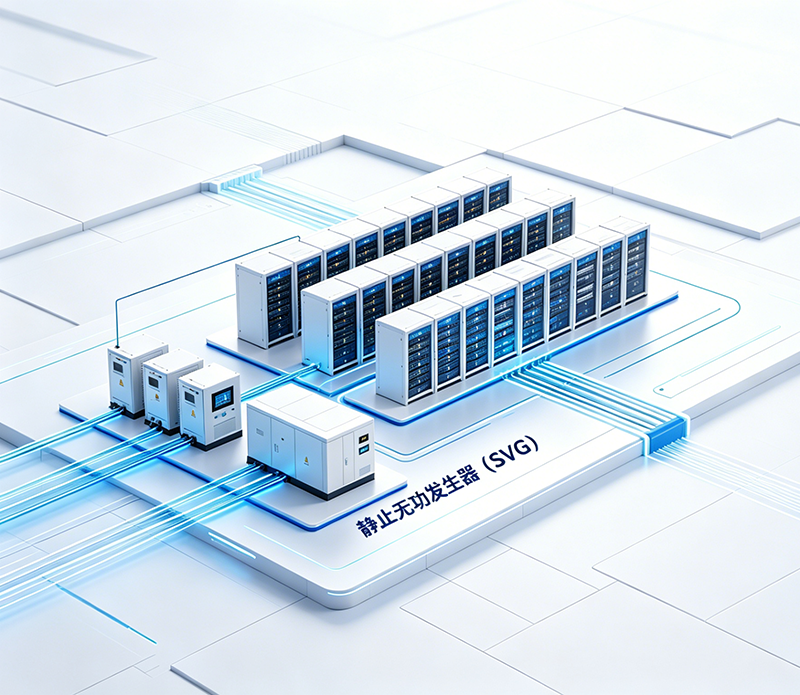
Một SVG, hoặc Máy tạo Var tĩnh, là một thiết bị dựa trên điện tử công suất hiện đại cung cấp bù công suất phản kháng động thời gian thực.
Không giống như các dàn tụ điện, SVG sử dụng công nghệ biến tần dựa trên IGBT để tạo hoặc hấp thụ công suất phản kháng ngay lập tức.
Nó hoạt động như thế nào
- Liên tục theo dõi dòng tải
- Tính toán nhu cầu công suất phản kháng theo thời gian thực
- Tiêm dòng bù trong vòng một phần nghìn giây
Đặc điểm chính
- Bồi thường động hoàn toàn (cảm ứng và điện dung)
- Điều chỉnh liên tục (không dựa trên bước)
- Phản hồi nhanh (tiêu biểu <10 bệnh đa xơ cứng)
- Hoạt động tốt với biến dạng hài hòa
- Thiết kế nhỏ gọn và mô-đun
SVG vs Ngân hàng tụ điện: So sánh kỹ thuật
Từ quan điểm kỹ thuật, sự khác biệt là đáng kể.
1. Tốc độ phản hồi
- Ngân hàng tụ điện: Chậm (chuyển đổi cấp độ giây)
- SVG: Cực nhanh (phản hồi ở mức mili giây)
Dành cho các trung tâm dữ liệu có tải máy chủ dao động, SVG rõ ràng vượt trội.
2. Độ chính xác bồi thường
- Ngân hàng tụ điện: từng bước, độ chính xác hạn chế
- SVG: Bồi thường liên tục và chính xác
SVG duy trì PF gần 0.99 nhất quán.
3. Hiệu suất hài hòa
- Ngân hàng tụ điện: Có thể khuếch đại sóng hài (rủi ro cộng hưởng)
- SVG: Tích cực giảm thiểu hiện tượng méo sóng hài
Điều này rất quan trọng trong môi trường nặng về UPS.
4. Yêu cầu bảo trì
- Ngân hàng tụ điện: Yêu cầu thay thế tụ điện, bảo trì contactor
- SVG: Bảo trì tối thiểu, thiết kế trạng thái rắn
5. Không gian và khả năng mở rộng
- Ngân hàng tụ điện: Cồng kềnh, mở rộng dựa trên bảng điều khiển
- SVG: Nhỏ gọn, có thể mở rộng mô-đun
6. Chi phí vòng đời
Trong khi các bộ tụ điện có chi phí trả trước thấp hơn, Cung cấp SVG:
- Tỷ lệ thất bại thấp hơn
- Giảm nguy cơ ngừng hoạt động
- Hiệu quả năng lượng cao hơn
- ROI dài hạn tốt hơn
Tại sao trung tâm dữ liệu cần SVG nhiều hơn ngân hàng tụ điện
Các trung tâm dữ liệu hiện đại về cơ bản khác với tải trọng công nghiệp truyền thống.
1. Cấu hình tải động cao
Khối lượng công việc của máy chủ dao động trong vài mili giây do ảo hóa và điện toán đám mây.
Các tụ điện không thể phản ứng đủ nhanh, dẫn đến:
- dao động hệ số công suất
- Bồi thường thừa/dưới
SVG giải quyết vấn đề này bằng cách điều chỉnh theo thời gian thực.
2. Môi trường giàu hài hòa
Trung tâm dữ liệu chứa:
- Bộ chỉnh lưu UPS
- Nguồn cung cấp năng lượng chế độ chuyển đổi
- Hệ thống làm mát điều khiển VFD
Những điều này tạo ra sự biến dạng hài hòa (3thứ, 5th, 7thứ hòa âm).
Các tụ điện có thể cộng hưởng trong những điều kiện như vậy, trong khi SVG tích cực triệt tiêu dòng điện hài.
3. Yêu cầu về độ tin cậy cao
Thời gian ngừng hoạt động ở trung tâm dữ liệu cực kỳ tốn kém. Bất kỳ sự mất ổn định nào về chất lượng điện năng đều có thể dẫn đến:
- Máy chủ gặp sự cố
- Mất dữ liệu
- Mất cân bằng hệ thống làm mát
SVG cung cấp ổn định, bù liên tục mà không có lỗi chuyển mạch cơ học.
4. Tối ưu hóa hiệu quả năng lượng
Ngay cả những cải tiến nhỏ trong PF (VÍ DỤ., từ 0.92 ĐẾN 0.99) có thể giảm đáng kể:
- Tổn thất máy biến áp
- Sưởi cáp
- Hình phạt tiện ích
SVG đảm bảo PF cao nhất quán trong mọi điều kiện tải.
Cái nhìn sâu sắc về kỹ thuật trong thế giới thực từ các dự án CoEpower
Trong nhiều dự án trung tâm dữ liệu CoEpower, chúng tôi quan sát thấy một mô hình nhất quán:
- Các dàn tụ điện hoạt động tốt trong quá trình thử nghiệm tải ổn định
- Nhưng không duy trì được sự ổn định trong thời gian thay đổi lưu lượng đám mây cao điểm
Sau khi thay thế hoặc bổ sung hệ thống SVG:
- Độ ổn định của hệ số công suất được cải thiện từ 8–15%
- Độ méo hài giảm đáng kể
- Can thiệp bảo trì giảm hơn 60%
- Hiệu suất năng lượng tổng thể được cải thiện đáng kể
Điều này chứng tỏ rằng SVG không chỉ là một bản nâng cấp—nó là một cải thiện cấp độ hệ thống trong kiến trúc chất lượng điện năng.
Giải pháp lai: SVG + Ngân hàng tụ điện
Là một kỹ sư, Tôi cũng nhận ra rằng các dàn tụ điện không hề lỗi thời.
Trong nhiều cài đặt lớn, Một cấu hình lai là tối ưu:
- Ngân hàng tụ điện xử lý tải phản kháng cơ bản
- Bộ điều khiển SVG tải năng động và thay đổi nhanh
Lợi ích của hệ thống hybrid
- Giảm chi phí so với triển khai SVG đầy đủ
- Cải thiện khả năng đáp ứng của hệ thống
- Giảm căng thẳng cho các đơn vị SVG
- Cân bằng chi phí vòng đời
Cách tiếp cận này đặc biệt hữu ích trong:
- Cấp II / Trung tâm dữ liệu cấp III
- Các cơ sở công nghiệp lớn
- Cơ sở tải hỗn hợp
Cách chọn giữa SVG và tụ điện
Khi thiết kế hệ thống hiệu chỉnh hệ số công suất, hãy xem xét những điều sau đây:
Chọn dàn tụ điện nếu:
- Tải ổn định và có thể dự đoán được
- Ngân sách bị hạn chế nhiều
- Độ méo hài là tối thiểu
- Động cơ công nghiệp chiếm ưu thế về tải
Chọn SVG nếu:
- Tải rất năng động (trung tâm dữ liệu, điện toán đám mây)
- Sự hài hòa là đáng kể
- Cần có chất lượng điện năng cao
- Thời gian ngừng hoạt động cực kỳ tốn kém
Chọn Kết hợp nếu:
- Cơ sở quy mô lớn với hành vi tải hỗn hợp
- Cần cân bằng giữa CAPEX và hiệu suất
Tương lai của việc hiệu chỉnh hệ số công suất trong trung tâm dữ liệu
Ngành này rõ ràng đang hướng tới:
- Số hóa toàn bộ hệ thống điện
- Tối ưu hóa năng lượng theo thời gian thực
- Tích hợp lưới điện thông minh
- Dự đoán tải do AI điều khiển
Trong bối cảnh này, Công nghệ SVG phù hợp hoàn hảo với tương lai của cơ sở hạ tầng năng lượng thông minh.
Ngân hàng tụ điện vẫn sẽ tồn tại, nhưng chủ yếu ở vai trò hỗ trợ hơn là giải pháp chính.
Phần kết luận
Từ góc độ kỹ thuật cao cấp tại CoEpower, sự so sánh giữa SVG vs ngân hàng tụ điện không chỉ là về chi phí mà còn là về hành vi của hệ thống trong điều kiện thực tế.
Các ngân hàng tụ điện vẫn đáng tin cậy, giải pháp kinh tế cho tải ổn định. Tuy nhiên, cho hiện đại trung tâm dữ liệu với động, môi trường giàu sóng hài, SVG (Trình tạo var tĩnh) cung cấp vượt trội:
- Tốc độ phản hồi
- Sự chính xác
- Hiệu suất hài hòa
- Độ tin cậy
- Giá trị vòng đời
Trong hầu hết các ứng dụng trung tâm dữ liệu hiện đại, SVG không còn là một thứ xa xỉ nữa—nó đang trở thành một yêu cầu tiêu chuẩn cho các hệ thống chất lượng điện năng hiệu suất cao.
Nếu bạn đang thiết kế hoặc nâng cấp hệ thống điện của trung tâm dữ liệu, đánh giá việc bù công suất phản kháng dựa trên SVG là một bước quan trọng để đạt được hiệu suất cao hơn, sự ổn định, và độ tin cậy hoạt động lâu dài.
Thẻ từ khóa
Hiệu chỉnh hệ số công suất, SVG vs ngân hàng tụ điện, Trình tạo var tĩnh, hệ thống ngân hàng tụ điện, Chất lượng năng lượng trung tâm dữ liệu, bù công suất phản kháng, giảm thiểu sóng hài, hiệu chỉnh hệ số công suất công nghiệp, bù VAR động, Giải pháp kỹ thuật CoEpower, nhà cung cấp, nhà sản xuất, nhà máy, công ty, Trung Quốc, bán buôn, mua, giá , Trích dẫn, số lượng lớn, Để bán, công ty, Cổ phần, trị giá.