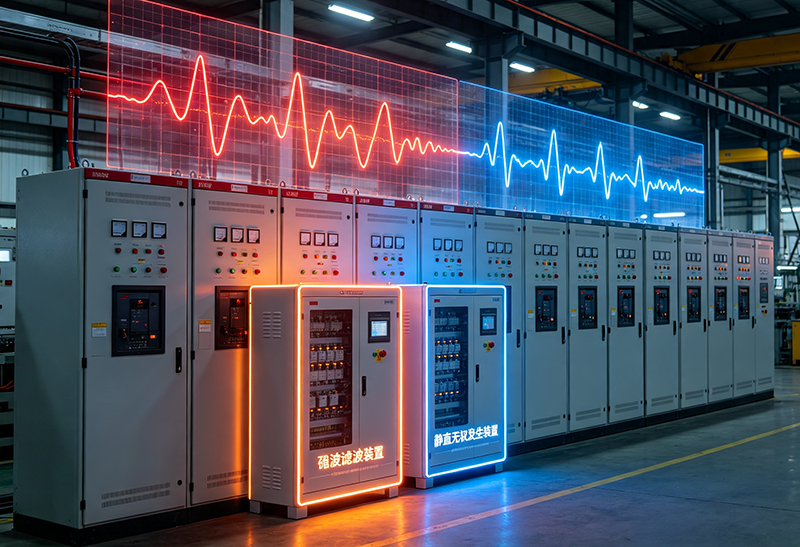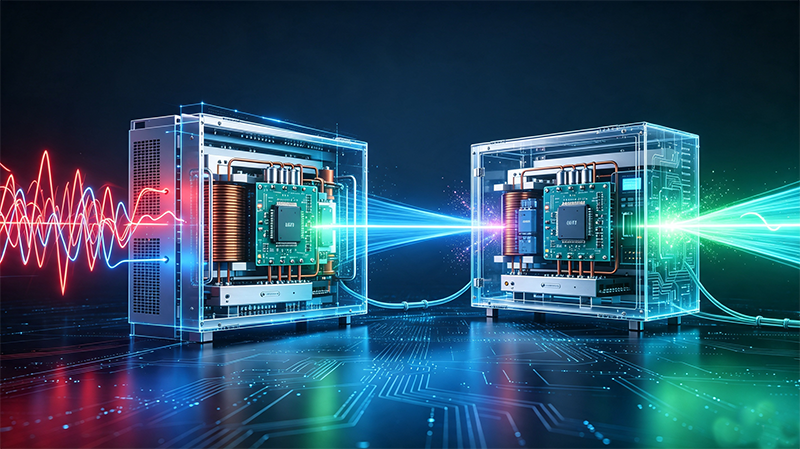
1. Einführung: Warum Blindleistung in Stahlwerken wichtig ist
Stahlwerke gehören zu den stromintensivsten Industrieanlagen der Welt. Aus Elektrolichtbogenöfen (EAF) und Walzwerke bis hin zu Großmotorantrieben und Schweißanlagen, Das Lastprofil ist hochdynamisch, nichtlinear, und stark induktiv.
Als leitender Elektroingenieur bei Coepower, Ich habe aus erster Hand gesehen, wie unkontrollierte Blindleistung dazu führt:
- Starke Spannungsschwankungen
- Strafen für niedrigen Leistungsfaktor
- Überlastete Transformatoren und Kabel
- Erhöhte Energieverluste
- Reduzierte Lebensdauer der Ausrüstung
- Instabilität im Ofenbetrieb
Im Zentrum dieser Fragen steht ein grundlegendes Konzept der Elektrotechnik: Reaktive Leistungskompensation, ein wichtiger Teil des breiteren Feldes der Blindleistungskompensation.
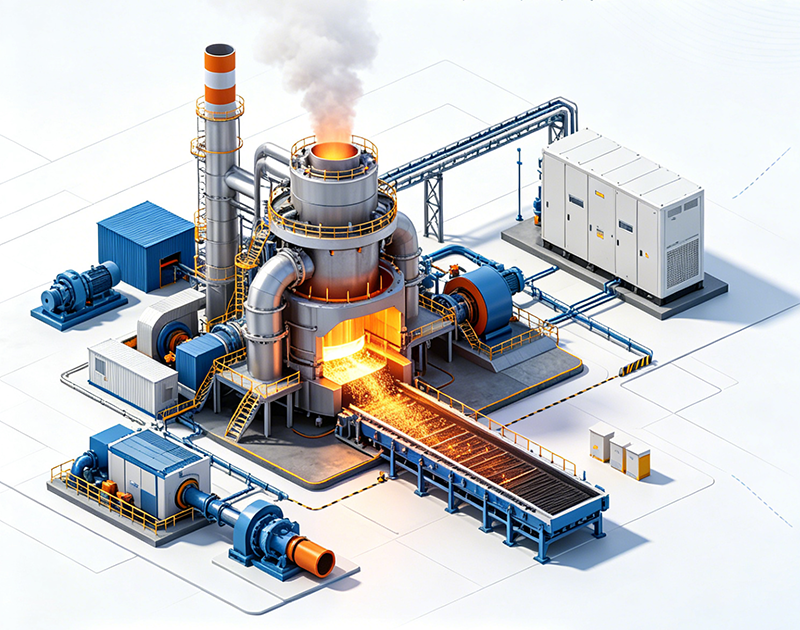
Um diese Herausforderungen in modernen Stahlwerken zu lösen, Herkömmliche Kondensatorbänke reichen nicht mehr aus. Die Branche vollzieht einen raschen Übergang zu dynamischen Lösungen wie dem Statischer VAR -Generator (Svg), auch bekannt als Static Var Generator (Svg).
2. Blindleistung im Stahlwerksbetrieb verstehen
2.1 Was ist Blindleistung??
In Wechselstromsystemen, elektrische Energie ist unterteilt in:
- Wirkleistung (kW): Führt nützliche Arbeit aus
- Reaktive Kraft (links): Unterstützt Magnetfelder in induktiven Lasten
- Scheinleistung (KVA): Vektorsumme von beiden
In Stahlwerken dominieren induktive Anlagen wie z:
- Lichtbogenöfen
- Induktionsmotoren
- Große Transformatoren
- Fördersysteme
Diese Lasten verbrauchen große Mengen an Blindleistung, was zu einem schlechten Leistungsfaktor führt.
2.2 Warum Stahlwerke hochsensibel sind
Im Gegensatz zu Gewerbebauten, Erfahrung in Stahlwerken:
- Schnelle Lastschwankungen (insbesondere EAF-Schmelzzyklen)
- Plötzliche Stromstöße
- Häufige Lichtbogeninstabilität
- Nichtlineare Oberschwingungen von Umrichtern und Antrieben
Dies macht traditionelle Festvergütungssysteme wirkungslos.
3. Einschränkungen herkömmlicher Kondensatorbänke
Viele Stahlwerke verlassen sich immer noch auf Kondensatorbatterien zur Leistungsfaktorkorrektur. Jedoch, sie weisen erhebliche Nachteile auf:
3.1 Sprungantwortverzögerung
Kondensatorbänke schalten in diskreten Schritten. Die Lasten in Stahlwerken ändern sich in Millisekunden, während die Kondensatorumschaltung langsam ist.
3.2 Überkompensationsrisiko
Wenn die Last plötzlich abfällt (Z.B., Ofenpause), Kondensatoren können überkompensieren, verursachend:
- Überspannung
- Systemresonanz
- Gerätestress
3.3 Harmonische Verstärkung
Kondensatoren können mit Systemharmonischen interagieren, Dadurch werden Verzerrungen verstärkt und die Ausrüstung möglicherweise beschädigt.
3.4 Mechanischer Verschleiß
Häufiges Schalten führt zu Schützverschleiß und Wartungskosten.
4. SVG-Technologie: Die moderne Lösung
4.1 Was ist ein SVG-System??
A Statischer VAR -Generator (Svg) ist ein leistungselektronisches Gerät, das in Echtzeit dynamisch Blindleistung erzeugt oder aufnimmt.
Im Gegensatz zu Kondensatorbänken, SVG nutzt IGBT-basierte Wechselrichtertechnologie, um innerhalb von Millisekunden zu reagieren.
Infolge, SVG bietet:
- Kontinuierliche Blindleistungskompensation
- Schnelle dynamische Reaktion
- Bidirektionale VAR-Unterstützung
- Stabile Spannungsregelung
4.2 Wie SVG in Stahlwerken funktioniert
Das Funktionsprinzip basiert auf einer Echtzeit-Stromerkennung:
- Stromwandler überwachen den Lastbedarf
- Der Controller berechnet den Blindleistungsbedarf
- Der IGBT-Wechselrichter erzeugt einen Ausgleichsstrom
- Blindleistung wird sofort eingespeist oder absorbiert
Dieses geschlossene System gewährleistet eine nahezu perfekte Leistungsfaktorkorrektur.
5. Warum Stahlwerke SVG mehr benötigen als jede andere Branche
Aus unserer Ingenieurserfahrung bei CoEpower, Stahlwerke stellen eine der anspruchsvollsten Umgebungen für die Stromqualität dar.
5.1 Elektrolichtbogenofen (EAF) Instabilität
EAFs erstellen:
- Plötzliche Lastschwankungen
- Lösch-/Wiederzündungszyklen des Lichtbogens
- Starkes Flackern und Spannungseinbrüche
SVG gleicht diese Schwankungen in Echtzeit aus, Stabilisierung des Ofenbetriebs.
5.2 Motorantriebe für Walzwerke
Große Motoren verursachen:
- Nacheilender Leistungsfaktor beim Start
- Hoher Einschaltstrom
- Kontinuierliche reaktive Nachfrage
SVG gewährleistet eine reibungslose Kompensation sowohl beim Start als auch im stationären Betrieb.
5.3 Harmonische Interaktion
Moderne Stahlwerke nutzen:
- Frequenzumrichter (VFDs)
- Gleichrichter
- Wechselrichter
Diese erzeugen Oberschwingungen, die das Stromnetz verzerren. Fortschrittliche SVG-Systeme verfügen über harmonische Filterfunktionen zur Reduzierung von Verzerrungen.
6. Hauptvorteile von SVG in Stahlwerken
6.1 Ultraschnelle dynamische Reaktion
SVG antwortet in weniger als 5 Millisekunden, Dadurch ist es ideal für Schwankungen im Lichtbogenofen.
6.2 Präzise Leistungsfaktorsteuerung
Hält den Leistungsfaktor nahe eins (0.99–1,0), erhebliche Reduzierung der Versorgungsstrafen.
6.3 Verbesserung der Spannungsstabilität
Durch lokale Einspeisung von Blindleistung, SVG stabilisiert die Busspannung und reduziert Flimmern.
6.4 Reduzierte Energieverluste
Niedrigerer Blindstrom bedeutet:
- Reduzierte I²R-Verluste
- Untere Transformatorheizung
- Verbesserte Kabeleffizienz
6.5 Modulares und skalierbares Design
SVG-Systeme können in modularen Einheiten eingesetzt werden, Dies ermöglicht eine schrittweise Erweiterung, wenn die Anlagenkapazität wächst.
7. SVG vs. Kondensatorbank in Stahlwerksanwendungen
| Besonderheit | Kondensatorbank | SVG-System |
| Reaktionsgeschwindigkeit | Langsam (Sekunden) | Ultraschnell (Millisekunden) |
| Kontrolle | Schrittbasiert | Kontinuierliche Dynamik |
| Harmonisches Handling | Arm | Exzellent |
| Über-/Unterkompensation | Gemeinsam | Eliminiert |
| Wartung | Hoch | Niedrig |
| Eignung für Stahlwerke | Beschränkt | Ideal |
8. Überlegungen zum technischen Design für die SVG-Bereitstellung
Als leitender Ingenieur bei CoEpower, Ich empfehle, beim Systemdesign Folgendes zu berücksichtigen:
8.1 Lastanalyse
Ein detailliertes Lastprofil muss enthalten sein:
- Arbeitszyklen des Ofens
- Motorstart-/stoppmuster
- Spitzennachfragezeiten
8.2 Harmonische Umgebung
Vor der SVG-Installation, messen:
- Gesamtharmonische Verzerrung (Thd)
- Frequenzspektrum
- Resonanzpunkte
8.3 Auswahl der Systemkapazität
Die SVG-Kapazität ist normalerweise als ausgelegt:
- 30%–70 % der Spitzenblindlast für Stahlwerke
- Für EAF-intensive Vorgänge kann eine Überdimensionierung erforderlich sein
8.4 Integration mit bestehenden Systemen
SVG kann mit integriert werden:
- Kondensatorbänke (Hybridsysteme)
- SCADA-Systeme
- Energiemanagementplattformen
9. Hybride Vergütungsstrategie (Best Practice)
In vielen Stahlwerken, Die optimale Lösung ist nicht SVG allein, sondern eine Hybridkonfiguration:
- SVG verarbeitet schnelle dynamische Schwankungen
- Kondensatorbänke bewältigen stationäre Blindlast
Diese Kombination senkt die Kosten und maximiert gleichzeitig die Leistung.
10. Zukünftige Trends in der SVG-Technologie
Die Zukunft der Blindleistungskompensation in Stahlwerken schreitet voran:
10.1 KI-basierte Lastvorhersage
SVG-Systeme werden Laständerungen vorhersagen, bevor sie auftreten.
10.2 Digitale Zwillingsintegration
Echtzeitsimulation von Kraftwerksenergiesystemen zur Optimierung.
10.3 Multifunktionale Power-Quality-Geräte
Zukünftige SVG-Einheiten werden kombiniert:
- Harmonische Filterung
- Spannungsregelung
- Unwuchtkorrektur
- Reaktive Kompensation
11. Abschluss
Stahlwerke verlangen eine der robustesten und intelligentesten Stromqualitätslösungen, die heute verfügbar sind. Herkömmliche Kondensatorbatterien können den dynamischen Anforderungen der modernen Stahlproduktion nicht mehr gerecht werden.
Die Annahme von Statischer VAR -Generator (Svg) Technologie bietet:
- Blindleistungsregelung in Echtzeit
- Verbesserte Spannungsstabilität
- Reduzierte Betriebskosten
- Verbesserte Gerätezuverlässigkeit
Aus ingenieurwissenschaftlicher Sicht bei Coepower, SVG ist kein optionales Upgrade mehr – es ist eine grundlegende Komponente der modernen elektrischen Infrastruktur von Stahlwerken.
Da sich industrielle Systeme immer weiter in Richtung höherer Automatisierung und Energieeffizienz weiterentwickeln, Die SVG-basierte Blindleistungskompensation wird weiterhin von zentraler Bedeutung für die Erzielung einer stabilen Leistung sein, effizient, und nachhaltige Stahlproduktion.
Schlüsselwörter
Reaktive Leistungskompensation, SVG-System, Statischer VAR -Generator, Stromqualität im Stahlwerk, Leistungsfaktorkorrektur, Oberschwingungsminderung, Industrielle Energieeffizienz, Spannungsstabilität, CoEpower SVG-Lösung, dynamische Blindkompensation, Lieferanten, Hersteller, Fabrik, Unternehmen, China, Großhandel, kaufen, Preis, Zitat, Schüttgut, zu verkaufen, Unternehmen, Aktie, kosten.