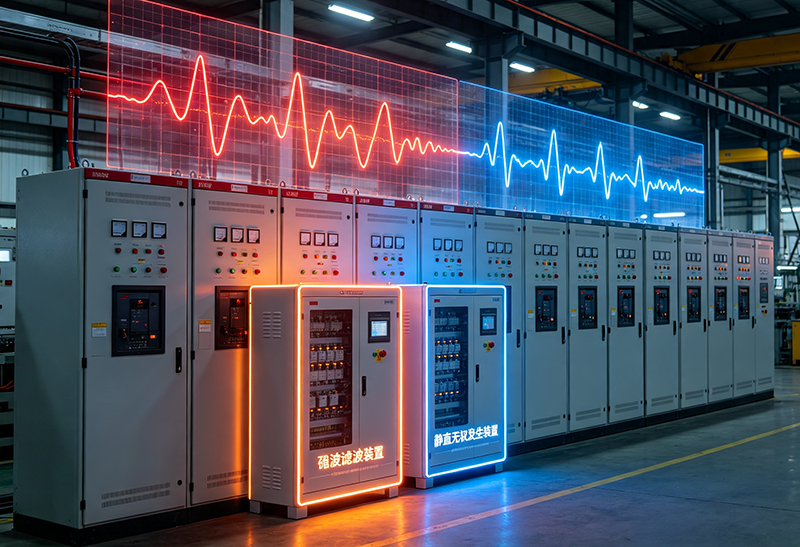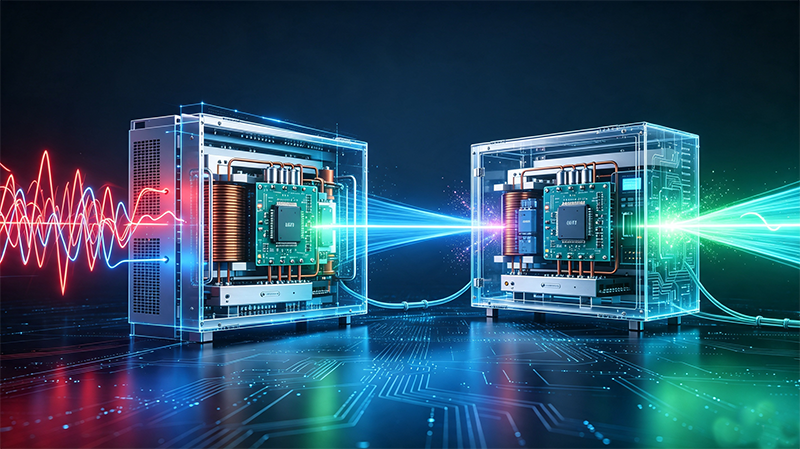
In modernen Industrieumgebungen, Die Aufrechterhaltung einer hohen Stromqualität ist nicht mehr optional – sie ist entscheidend. Als leitender Elektroingenieur bei CoEpower, Ich habe aus erster Hand gesehen, wie harmonische Verzerrungen den Betrieb stören können, empfindliche Geräte beschädigen, und die Betriebskosten erhöhen.
Zwei der am weitesten verbreiteten Lösungen zur Oberschwingungsminderung sind: Aktiver harmonischer Filter (Ahf) und der harmonische Unterdrückungsfilter (HSF) (allgemein als passive harmonische Filter bezeichnet). Beide zielen darauf ab, harmonische Verzerrungen zu reduzieren, Sie funktionieren unterschiedlich und eignen sich für unterschiedliche Anwendungen.
Dieser Artikel bietet einen umfassenden Überblick, Praktischer Leitfaden, der Ihnen bei der Auswahl der richtigen Lösung für Ihr Industriesystem hilft.
Was sind Harmonische und warum sind sie wichtig??
Oberschwingungen sind Spannungs- oder Stromverzerrungen in elektrischen Systemen, die hauptsächlich durch nichtlineare Lasten wie z:
- Variable Frequenzantriebe (VFDs)
- Gleichrichter und Wechselrichter
- UPS -Systeme
- Industrielle Automatisierungsausrüstung
Diese Verzerrungen können dazu führen:
- Überhitzung von Transformatoren und Kabeln
- Erhöhte Energieverluste
- Fehlfunktion oder Ausfall der Ausrüstung
- Strafen für die Nichteinhaltung von Standards wie IEEE 519
Ein effektives Management von Oberschwingungen ist für die Gewährleistung der Systemzuverlässigkeit und -effizienz von entscheidender Bedeutung.
Was ist ein aktiver harmonischer Filter?
Ein aktiver harmonischer Filter (Ahf) ist ein fortschrittliches elektronisches Gerät, das Oberschwingungsströme dynamisch und in Echtzeit erkennt und kompensiert.
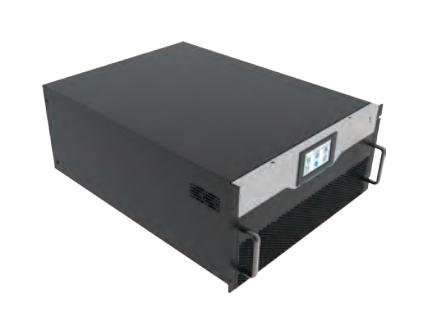
Hauptmerkmale von AHF:
- Harmonische Kompensation in Echtzeit
- Adaptiv an Laständerungen
- Kann mehrere harmonische Ordnungen gleichzeitig filtern
- Verbessert außerdem den Leistungsfaktor und gleicht Lasten aus
Wie es funktioniert:
AHFs verwenden Leistungselektronik (IGBT-basierte Wandler) Gegenströme in das System einzuspeisen, Harmonische effektiv auslöschen.
Was ist ein harmonischer Unterdrückungsfilter??
Ein harmonischer Unterdrückungsfilter (HSF), typischerweise ein passiver Filter, ist mit Kombinationen von Kondensatoren ausgestattet, Induktoren, und Widerstände, die auf bestimmte harmonische Frequenzen abgestimmt sind.
Hauptmerkmale von HSF:
- Feste Kompensation für bestimmte harmonische Ordnungen
- Niedrigere Anschaffungskosten im Vergleich zu AHFs
- Einfache Struktur und Bedienung
Wie es funktioniert:
HSFs bieten niederohmige Pfade für gezielte harmonische Frequenzen, sie vom Stromnetz wegzuleiten.
Aktiver harmonischer Filter vs. harmonischer Unterdrückungsfilter: Hauptunterschiede
| Besonderheit | Aktiver harmonischer Filter | Oberwellenunterdrückungsfilter |
|---|---|---|
| Arbeitsprinzip | Dynamische Kompensation in Echtzeit | Festfrequenzabstimmung |
| Flexibilität | Hoch (passt sich Laständerungen an) | Niedrig (Entwickelt für bestimmte Harmonische) |
| Harmonische Abdeckung | Große Auswahl (mehrere Bestellungen) | Beschränkt auf abgestimmte Frequenzen |
| Installation | Komplexer | Einfacher |
| Kosten | Höhere Anfangsinvestition | Niedrigere Vorabkosten |
| Resonanzgefahr | Keiner | Mögliche Resonanzprobleme |
| Leistungsfaktorkorrektur | Ja (Multifunktional) | Beschränkt |
Wann sollten Sie einen aktiven harmonischen Filter wählen??
Aus meiner Ingenieurserfahrung, AHFs sind in den folgenden Szenarien die beste Wahl:
1. Stark variable Lasten
Branchen wie das verarbeitende Gewerbe, Bergbau, und Rechenzentren unterliegen häufig schwankenden Lasten. AHFs passen sich in Echtzeit an, was sie ideal macht.
2. Strenge Anforderungen an die Stromqualität
Wenn Ihre Einrichtung IEEE entsprechen muss 519 oder ähnliche Standards, AHFs bieten eine präzise harmonische Kontrolle.
3. Komplexe harmonische Profile
Wenn mehrere harmonische Frequenzen vorhanden sind, AHFs übertreffen passive Filter deutlich.
4. Bedarf an Multifunktionalität
AHFs können:
- Harmonische kompensieren
- Korrekter Leistungsfaktor
- Gleichen Sie dreiphasige Lasten aus
Das macht sie zu einer umfassenden Lösung.
Wann sollten Sie einen harmonischen Unterdrückungsfilter wählen??
HSFs (passive Filter) haben immer noch ihren Platz in industriellen Systemen, insbesondere in diesen Fällen:
1. Stabile und vorhersehbare Lasten
Wenn Ihr System unter konstanten Bedingungen mit bekannten harmonischen Frequenzen arbeitet, Passive Filter können wirksam sein.
2. Budgetbeschränkungen
HSFs sind im Vorfeld kostengünstiger, Dadurch eignen sie sich für Projekte mit begrenzten Budgets.
3. Einfache Anwendungen
Für Systeme mit einer dominanten Harmonischen (Z.B., 5oder 7), Ein abgestimmter passiver Filter kann gut funktionieren.
Kostenüberlegungen: Erstinvestition vs. langfristige Investition
Eine der häufigsten Fragen, die ich von Kunden bekomme, ist:
„Welche Lösung ist kostengünstiger??”
Aktiver harmonischer Filter:
- Höhere Vorabkosten
- Geringerer Wartungsaufwand
- Energieeinsparungen im Laufe der Zeit
- Reduziertes Risiko eines Geräteausfalls
Oberwellenunterdrückungsfilter:
- Niedrigere Anschaffungskosten
- Mögliche versteckte Kosten (Resonanz, Verstimmung, Ineffizienz)
- Möglicherweise ist eine Neugestaltung erforderlich, wenn sich die Systembedingungen ändern
Technische Einblicke:
Während AHFs zunächst teuer erscheinen mögen, Sie liefern in dynamischen Industrieumgebungen oft einen besseren ROI.
Leistungs- und Zuverlässigkeitsvergleich
Aktiver harmonischer Filter:
- Konsistente Leistung unter wechselnden Belastungen
- Keine Verstimmungsprobleme
- Hohe Zuverlässigkeit in komplexen Systemen
Oberwellenunterdrückungsfilter:
- Die Leistung hängt stark von der Systemstabilität ab
- Anfällig für Resonanz und Überlastung
- Die Effizienz sinkt, wenn sich Systemparameter ändern
Typische industrielle Anwendungen
Aktive harmonische Filteranwendungen:
- Rechenzentren
- Stahlwerke
- Automobilbau
- Erneuerbare Energiesysteme (Solar/Wind)
- Krankenhäuser und kritische Einrichtungen
Anwendungen von Oberwellenunterdrückungsfiltern:
- Zementwerke
- Wasseraufbereitungsanlagen
- HVAC-Systeme
- Motoranwendungen mit fester Drehzahl
Hybride Lösungen: Das Beste aus beiden Welten?
In einigen Fällen, Die Kombination beider Technologien liefert optimale Ergebnisse.
Ein Hybridsystem kann verwendet werden:
- Passive Filter zur Reduzierung von Oberschwingungen
- Aktive Filter zur Feinabstimmung und dynamischen Kompensation
Dieser Ansatz gleicht Kosten und Leistung effektiv aus.
Praktische Auswahl-Checkliste
Bei der Wahl zwischen einem aktiven harmonischen Filter und einem harmonischen Unterdrückungsfilter, Bedenken Sie Folgendes:
- Lastvariabilität (stabil vs. dynamisch)
- Komplexität des harmonischen Spektrums
- Compliance-Anforderungen (IEEE 519, IEC-Standards)
- Budget (Anschaffungskosten vs. Lebenszykluskosten)
- Platz- und Installationsbeschränkungen
- Zukünftige Systemerweiterungspläne
Abschluss
Die Wahl zwischen einem aktiven Oberwellenfilter und einem Oberwellenunterdrückungsfilter ist nicht nur eine technische Entscheidung – es ist eine strategische Investition in die Effizienz Ihrer Anlage, Zuverlässigkeit, und Compliance.
Aus meiner Erfahrung bei CoEpower, Die allgemeine Regel lautet:
- Wählen Sie aktive harmonische Filter für Dynamik, Komplex, und Hochleistungssysteme
- Wählen Sie harmonische Unterdrückungsfilter für Stabilität, vorhersehbar, und kostensensible Anwendungen
Wenn sich Ihr System weiterentwickelt oder eine Skalierung erwartet wird, Eine Investition in einen AHF bietet fast immer einen höheren langfristigen Wert.
Über CoEpower
Bei CoEpower, Wir sind auf fortschrittliche Lösungen zur Stromqualität spezialisiert, einschließlich aktiver Oberschwingungsfilter und kundenspezifischer Oberschwingungsminderungssysteme, die auf industrielle Anforderungen zugeschnitten sind.
Wenn Sie sich nicht sicher sind, welche Lösung für Ihre Anwendung die richtige ist, Die Beratung durch erfahrene Ingenieure kann auf lange Sicht sowohl Zeit als auch Kosten sparen.
Tags: Aktiver harmonischer Filter, Oberwellenunterdrückungsfilter, Harmonische Minderung, Stromqualitätslösungen, industrielle Energiesysteme, harmonischer Verzerrungsfilter, AHF vs. Passivfilter, harmonische Filterlösungen, Lieferanten, Hersteller, Fabrik, Unternehmen, China, Großhandel, kaufen, Preis, Zitat, Schüttgut, zu verkaufen, Unternehmen, Aktie, kosten.