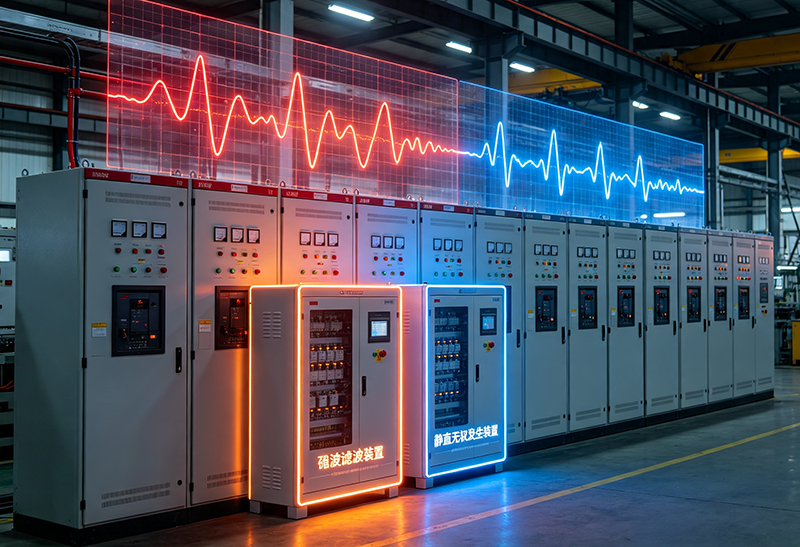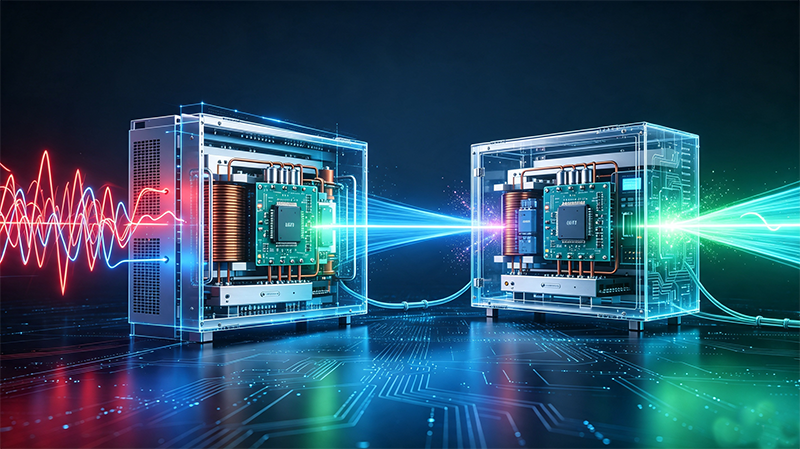
Wenn Ingenieure nach „STATCOM vs SVG,„Sie stoßen oft auf widersprüchliche Erklärungen. In einigen Artikeln heißt es, sie seien identisch. Andere behandeln sie als völlig unterschiedliche Technologien. In realen Energiesystemen, Die Antwort ist differenzierter.
Als Senior Power Quality Engineer bei CoEpower, Ich habe an Projekten zur Blindleistungskompensation in Kraftwerken für erneuerbare Energien gearbeitet, Industriebetriebe, Umspannwerke, Stahlwerke, Bergbaubetriebe, und Rechenzentren. Eine der häufigsten Fragen von EPC-Auftragnehmern und Elektroberatern lautet::
„Sollten wir für dieses Projekt STATCOM oder SVG verwenden??”
In diesem Artikel werden die praktischen technischen Unterschiede zwischen STATCOM und SVG erläutert, einschließlich Funktionsprinzipien, Reaktionsgeschwindigkeit, Spannungsunterstützungsfähigkeit, harmonische Leistung, Kostenüberlegungen, und industrielle Anwendungen.
Was ist STATCOM??
A Statcom (Statischer Synchronkompensator) ist eine leistungsstarke FAKTEN (Flexibles Wechselstromübertragungssystem) Gerät zur dynamischen Blindleistungskompensation und Spannungsregelung in Stromnetzen.
STATCOM-Systeme verwenden normalerweise:
- Spannungsquellenkonverter (VSC)
- IGBT-Leistungsmodule
- DC-Kondensatorbank
- Fortschrittliche digitale Steueralgorithmen
- Koppeltransformator
Der Hauptzweck eines STATCOM besteht darin:
- Netzspannung stabilisieren
- Leistungsfaktor verbessern
- Spannungsflimmern abmildern
- Unterstützen Sie die Integration erneuerbarer Energien
- Verbessern Sie die Übergangsstabilität
- Sorgen Sie für eine schnelle Blindleistungskompensation
Das Blindleistungsaustauschprinzip kann vereinfacht werden als:
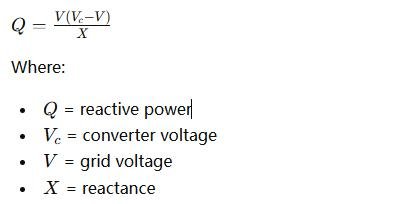
Wenn die Wandlerspannung die Systemspannung überschreitet, Es wird kapazitive Blindleistung in das Netz eingespeist. Wenn es niedriger ist, Es wird induktive Blindleistung aufgenommen.
Was ist SVG??
SVG steht für Static Var Generator.
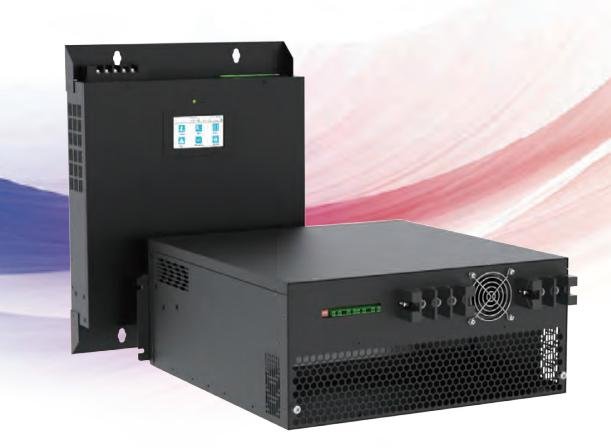
In vielen Industriemärkten, insbesondere in Asien und bei Niederspannungs-Stromqualitätsanwendungen, SVG bezieht sich auf ein dynamisches Blindleistungskompensationsgerät, das auf der gleichen VSC-Technologie basiert, die in STATCOM-Systemen verwendet wird.
SVG-Systeme werden häufig verwendet für:
- Leistungsfaktorkorrektur
- Reaktive Leistungskompensation
- Harmonische Unterdrückung
- Dreiphasige Ungleichgewichtskorrektur
- Optimierung der Energieeffizienz
In praktischer Industrieterminologie:
- STATCOM wird häufig mit Anwendungen auf Mittelspannungs- und Übertragungsebene in Verbindung gebracht.
- SVG wird häufig mit industriellen Niederspannungskompensationssystemen in Verbindung gebracht.
Jedoch, technisch, Beide Geräte haben äußerst ähnliche Grundprinzipien.
STATCOM vs. SVG: Kernunterschied
Die größte Verwirrung im Internet besteht darin, dass viele Websites die Beziehung zu stark vereinfachen.
Hier ist die technische Realität:
| Besonderheit | Statcom | Svg |
|---|---|---|
| Vollständiger Name | Statischer Synchronkompensator | Statischer VAR -Generator |
| Typischer Spannungspegel | Medium & Hochspannung | Niedrig & Mittelspannung |
| Hauptanwendung | Netzstabilität & Spannungsregelung | Industrielle Leistungsfaktorkorrektur |
| Technologie | VSC-basiert | VSC-basiert |
| Reaktionsgeschwindigkeit | Extrem schnell | Extrem schnell |
| Dynamische Spannungsunterstützung | Stark | Mäßig bis stark |
| Harmonische Kompensation | Erweiterte Funktionalität | Häufig integriert |
| Typische Installation | Umspannwerke, erneuerbare Pflanzen | Fabriken, Gewerbebauten |
| Systemkomplexität | Höher | Untere |
| Kosten | Höher | Sparsamer |
Viele Hersteller verwenden die Begriffe synonym, da beide auf Leistungselektronik und Blindleistungseinspeisung in Echtzeit basieren.
Aus ingenieurwissenschaftlicher Sicht:
- STATCOM konzentriert sich mehr auf die dynamische Stabilität des Netzes
- SVG konzentriert sich stärker auf die industrielle Blindleistungskompensation
Warum herkömmliche Kondensatorbänke nicht mehr ausreichen
In vielen Fabriken gibt es noch konventionelle Kondensatorbatterien, Doch moderne nichtlineare Lasten stellen neue Herausforderungen an die Stromqualität:
- Variable Frequenzantriebe (VFDs)
- Elektrolichtbogenöfen
- Große Motoren
- CNC-Ausrüstung
- Rechenzentren
- EV -Ladestationen
- Solarwechselrichter
- Konverter für Windkraftanlagen
Diese Belastungen erzeugen:
- Harmonische
- Spannungsschwankungen
- Schnelle Änderungen der Blindleistung
- Flackern
- Dreiphasiges Ungleichgewicht
Herkömmliche Kondensatorbatterien können nicht schnell genug reagieren.
Typische Schaltreaktion des Kondensators:
- 5–20 Sekunden
Typische SVG/STATCOM-Antwort:
- Weniger als 10 Millisekunden
Dieser Geschwindigkeitsunterschied ist in modernen Smart Grids und Hochgeschwindigkeits-Industrieprozessen von entscheidender Bedeutung.
STATCOM vs. SVG in erneuerbaren Energiesystemen
Erneuerbare Energie ist eine der am schnellsten wachsenden Anwendungen für die STATCOM-Technologie.
Solarparks und Windparks führen zu instabilen Blindleistungsbedingungen, da sich die Erzeugung ständig ändert.
STATCOM hilft durch:
- Unterstützung schwacher Netze
- Stabilisierende PCC-Spannung
- Einhaltung der Stromnetzvorschriften
- Reduzierung von Spannungsschwankungen
- Verbesserung der Niederspannungsüberbrückung (LVRT)
Für große erneuerbare Kraftwerke im Versorgungsmaßstab, STATCOM ist oft obligatorisch.
SVG-Systeme sind häufiger in:
- Kommerzielle Solaranlage auf dem Dach
- Industrielle PV-Anlagen
- Projekte zur verteilten Erzeugung
Fähigkeit zur Harmonisierungsminderung
Moderne SVG-Systeme umfassen häufig Funktionen zur harmonischen Kompensation.
Dadurch können sie gleichzeitig bereitstellen:
- Reaktive Leistungskompensation
- Harmonische Filterung
- Lastausgleich
In vielen Niederspannungsanwendungen, SVG-Einheiten sind integriert mit:
- Aktive harmonische Filter (Ahf)
- APF-Module
- Hybride Vergütungssysteme
STATCOM-Systeme können auch Oberwellen abschwächen, insbesondere in fortgeschrittenen Anlagen im Versorgungsmaßstab.
STATCOM vs. SVG-Reaktionszeit
Einer der wichtigsten technischen Vorteile ist die dynamische Reaktionsgeschwindigkeit.
Reaktion<10MS
Dieser ultraschnelle Ausgleich ermöglicht:
- Stabiler Motorstart
- Reduzierter Spannungsabfall
- Flimmerunterdrückung
- Verbesserte Stabilität des Schweißsystems
- Besserer Kranbetrieb
- Stabile Lichtbogenofenleistung
Dies ist besonders wichtig in:
- Stahlwerke
- Bergbauanlagen
- Hafenausrüstung
- Petrochemische Industrie
Was ist besser?: STATCOM oder SVG?
Die richtige Frage lautet nicht: „Was ist besser?“?”
Die eigentliche technische Frage ist:
„Was für Ihre Bewerbung besser ist?”
Wählen Sie bei Bedarf STATCOM:
- Spannungsregelung im Versorgungsmaßstab
- Unterstützung des Übertragungsnetzes
- Integration erneuerbarer Energien
- Dynamische Netzstabilisierung
- Mittel-/Hochspannungskompensation
- Schwache Netzunterstützung
Wählen Sie bei Bedarf SVG:
- Industrielle Leistungsfaktorkorrektur
- Schnelle Blindleistungskompensation
- Verbesserung der Energieeffizienz der Fabrik
- Harmonische Minderung
- Niederspannungs-Blindkompensation
- Niedrigere Projektkosten
Typische Anwendungen von SVG-Systemen
SVG wird häufig verwendet:
- Produktionsstätten
- Halbleiterfabriken
- Rechenzentren
- Krankenhäuser
- Handelsgebäude
- U-Bahn-Schienensysteme
- Ladeinfrastruktur für Elektrofahrzeuge
- Wasseraufbereitungsanlagen
Diese Anwendungen erfordern:
- Stabiler Leistungsfaktor
- Reduzierte Versorgungsstrafen
- Geringere Transformatorverluste
- Verbesserte Systemeffizienz
Typische Anwendungen von STATCOM-Systemen
STATCOM kommt häufiger vor in:
- Umspannwerke
- Windparks
- Solarkraftwerke
- HGÜ-Systeme
- Eisenbahn-Traktionssysteme
- Bergbaunetze
- Übertragungsnetze
Diese Anwendungen haben Priorität:
- Spannungsstabilität
- Netzresilienz
- Dynamische reaktive Unterstützung
- Fault-Ride-Through-Fähigkeit
Kostenvergleich zwischen STATCOM und SVG
Die Kosten hängen stark davon ab:
- Spannungsniveau
- Kompensationskapazität
- Harmonische Anforderungen
- Installationsumgebung
- Kühlmethode
- Redundanzdesign
Allgemein:
- SVG-Systeme sind für industrielle Niederspannungsprojekte wirtschaftlicher
- STATCOM-Systeme sind aufgrund der Mittel-/Hochspannungsinfrastruktur teurer
Jedoch, Lebenszykluseinsparungen durch reduzierte Energieverluste und Leistungsfaktoreinbußen können zu einem schnellen ROI führen.
Zukunftstrend: SVG- und STATCOM-Konvergenz
Die Grenze zwischen SVG und STATCOM verschwimmt zunehmend.
Moderne Systeme kombinieren jetzt:
- Reaktive Kompensation
- Harmonische Filterung
- Integration von Energiespeichern
- KI-basiertes Netzqualitätsmanagement
- Echtzeit-Rasteranalyse
Viele Hersteller vermarkten mittlerweile Niederspannungs-STATCOM-Produkte als SVG-Systeme und umgekehrt.
Die zugrunde liegende Technologie konvergiert in Richtung Intelligenz, digital, Hochgeschwindigkeits-Power-Quality-Plattformen.
Abschließende Gedanken eines CoEpower-Ingenieurs
Nach jahrelanger Erfahrung im Feldingenieurwesen, Hier ist die einfachste Erklärung:
- STATCOM ist typischerweise die Lösung auf Grid-Ebene
- SVG ist typischerweise die Lösung auf Industrieebene
Beide nutzen fortschrittliche Leistungselektronik, um Blindleistungsprobleme weitaus effektiver zu lösen als herkömmliche Kondensatorbatterien.
Wenn Ihr Projekt umfasst:
- Schnell wechselnde Lasten
- Erneuerbare Energie
- Harmonische
- Spannungsinstabilität
- Schlechter Leistungsfaktor
Dann ist die SVG- oder STATCOM-Technologie wahrscheinlich die richtige Richtung.
Bei CoEpower, Wir unterstützen EPC-Auftragnehmer, Dienstprogramme, und Industrieanlagen wählen die optimale Blindleistungskompensationslösung basierend auf realen Betriebsbedingungen aus – nicht auf Marketingterminologie.
FAQ
Ist SVG dasselbe wie STATCOM??
Technisch, Beide verwenden eine ähnliche VSC-basierte reaktive Kompensationstechnologie. Jedoch, SVG wird häufig für industrielle Niederspannungsanwendungen verwendet, während STATCOM eher mit Versorgungs- und Mittel-/Hochspannungssystemen in Verbindung gebracht wird.
Was schneller reagiert: Kondensatorbank oder SVG?
SVG-Systeme reagieren in Millisekunden, während Kondensatorbänke mehrere Sekunden benötigen können.
Kann SVG Oberschwingungen reduzieren??
Ja. Viele moderne SVG-Systeme verfügen über eine Funktion zur Oberschwingungskompensation.
Warum wird STATCOM in Solaranlagen eingesetzt??
STATCOM bietet dynamische Spannungsunterstützung und hilft erneuerbaren Anlagen bei der Einhaltung der Netzvorschriften.
Verbessert SVG den Leistungsfaktor??
Ja. SVG-Systeme kompensieren die Blindleistung dynamisch, um einen Leistungsfaktor nahe eins aufrechtzuerhalten.
Tags: statcom vs. SVG, statcom Bedeutung, SVG elektrisch, statischer VAR -Generator, statischer Synchronkompensator, Blindleistungskompensation, Leistungsfaktorkorrektur, statcom-Arbeitsprinzip, SVG vs. Kondensatorbank, dynamische Blindkompensation, Industrielle SVG-Lösung, Mittelspannungsstatcom, Leistungsqualitätslösung, Harmonische Minderung, Spannungsstabilisierung, Lieferanten, Hersteller, Fabrik, Unternehmen, China, Großhandel, kaufen, Preis, Zitat, Schüttgut, zu verkaufen, Unternehmen, Aktie, kosten.