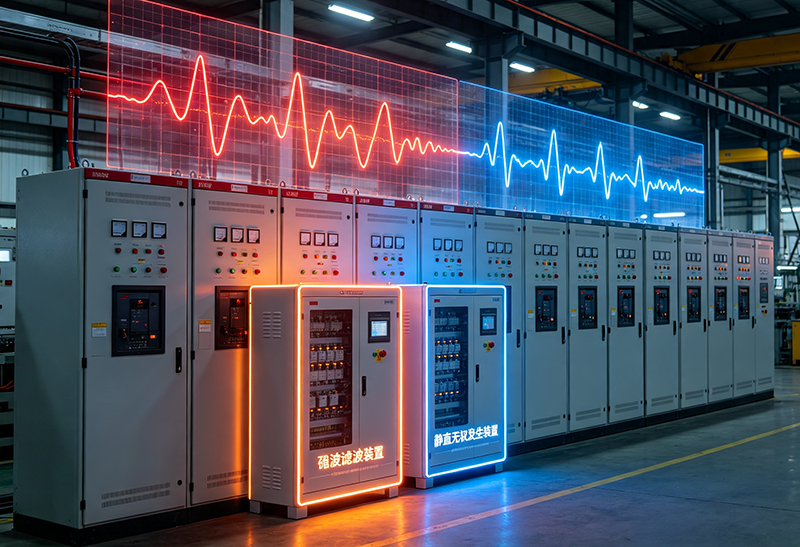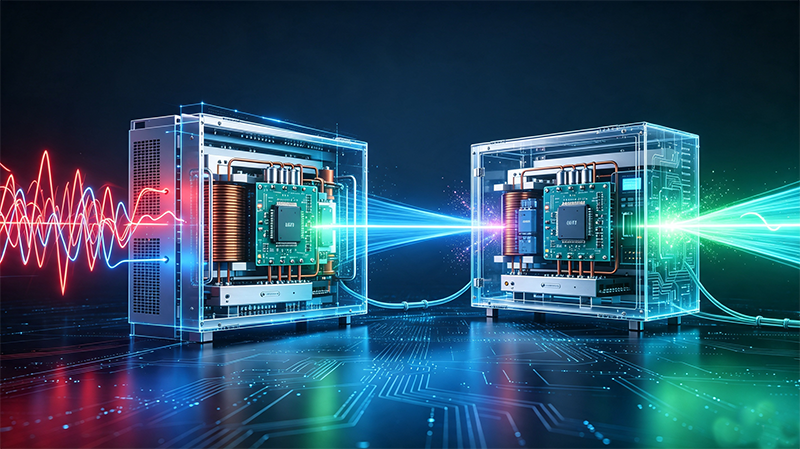
In heutigen industriellen und kommerziellen Energiesystemen, harmonische Verzerrungen sind zu einer wachsenden Herausforderung geworden. Immer mehr Anlagen sind auf nichtlineare elektrische Lasten wie Frequenzumrichter angewiesen (VFDs), UPS -Systeme, LED -Beleuchtung, Ladegeräte für Elektrofahrzeuge, Schweißmaschinen, und Rechenzentrumsausrüstung, Das Problem der Harmonischen kann nicht länger ignoriert werden.
Bei Coepower, Wir helfen häufig Ingenieuren, EPC-Auftragnehmer, und Facility Manager lösen durch Oberschwingungen verursachte Probleme mit der Stromqualität. Zwei der am häufigsten diskutierten Lösungen sind einphasige harmonische Filter Und aktive harmonische Filter (Ahfs).
Obwohl beide Technologien darauf ausgelegt sind, harmonische Verzerrungen zu reduzieren, Sie unterscheiden sich erheblich in den Gestaltungsprinzipien, Anwendungsszenarien, Leistung, und Kosten. In diesem Artikel, Wir erklären die wesentlichen Unterschiede zwischen einphasigen Oberschwingungsfiltern und aktiven Oberschwingungsfiltern aus der Sicht eines leitenden Elektroingenieurs.
Was sind Harmonische in elektrischen Systemen??
Oberwellen sind Spannungs- oder Stromwellenformen, die bei Frequenzen arbeiten, die ein Vielfaches der Grundfrequenz sind (50Hz oder 60Hz). Sie werden hauptsächlich durch nichtlineare Lasten erzeugt, die den Strom in abrupten Impulsen statt in glatten Sinuswellen ziehen.
Häufige Quellen für Oberschwingungen sind::
- Frequenzumrichter (VFDs)
- Schaltnetzteile
- Rechenzentren
- Solarwechselrichter
- EV -Ladestationen
- UPS -Systeme
- LED-Beleuchtungssysteme
- Lichtbogenöfen
Es kann zu übermäßiger harmonischer Verzerrung kommen:
- Überhitzung des Transformators
- Ausfälle der Kondensatorbank
- Ärgerliches Auslösen
- Reduzierter Motorwirkungsgrad
- Erhöhte Energieverluste
- Kabelüberhitzung
- Fehlfunktion der Ausrüstung
- Reduzierter Leistungsfaktor
- Höhere Wartungskosten
Um diese Probleme zu mildern, Es werden harmonische Filtertechnologien eingesetzt.
Was ist ein einphasiger harmonischer Filter??
A einphasiger harmonischer Filter ist ein Filtergerät, das speziell für einphasige elektrische Systeme entwickelt wurde. Es wird üblicherweise zur Unterdrückung von Oberschwingungsströmen verwendet, die von einphasigen Lasten erzeugt werden.
Bei diesen Filtern handelt es sich typischerweise um passive Filter, die aus bestehen:
- Kondensatoren
- Induktoren
- Widerstände
Der Filter ist auf bestimmte harmonische Frequenzen abgestimmt, wie zum Beispiel der 3, 5th, oder 7. Harmonische.
Wie einphasige harmonische Filter funktionieren
Einphasige Oberschwingungsfilter funktionieren, indem sie einen Pfad mit niedriger Impedanz für Oberschwingungsströme schaffen. Anstatt in das Stromnetz zurückzufließen, Die Oberschwingungsströme werden in den Filterkreis abgeleitet.
Die meisten einphasigen Filter sind passiv, Das heißt, sie injizieren keine aktiven Kompensationsströme. Stattdessen, Sie basieren auf abgestimmten LC-Schaltkreisen, um gezielt Oberwellen zu absorbieren.
Typische Installationsorte sind::
- Wohnsysteme
- Kleine Gewerbebauten
- Büroausstattung
- Laborinstrumente
- Telekommunikationsausrüstung
- Einphasige USV-Systeme
- Kleine medizinische Geräte
Was ist ein aktiver harmonischer Filter (Ahf)?
Ein Aktiver harmonischer Filter (Ahf) ist ein fortschrittliches elektronisches Netzqualitätsgerät, das Oberschwingungsströme dynamisch in Echtzeit erkennt und kompensiert.

Im Gegensatz zu passiven Filtern, AHFs nutzen Leistungselektronik und digitale Signalverarbeitungstechnologie, um inverse harmonische Ströme in das System einzuspeisen.
Dadurch werden unerwünschte Oberwellen über einen breiten Frequenzbereich wirksam unterdrückt.
Wie aktive harmonische Filter funktionieren
Aktive Oberschwingungsfilter überwachen kontinuierlich Lastströme mithilfe von Stromwandlern (CTs). Der Controller analysiert das harmonische Spektrum und erzeugt Kompensationsströme gleicher Größe, aber entgegengesetzter Phase.
Das Ergebnis ist eine harmonische Auslöschung und eine verbesserte Wellenformqualität.
AHFs können normalerweise:
- THDi unten reduzieren 5%
- Kompensieren Sie mehrere harmonische Ordnungen gleichzeitig
- Leistungsfaktor verbessern
- Gleichen Sie dreiphasige Lasten aus
- Neutralströme reduzieren
- Passen Sie sich dynamisch an wechselnde Belastungen an
Aktive harmonische Filter werden häufig verwendet:
- Industrieanlagen
- Rechenzentren
- Krankenhäuser
- Halbleiterfertigung
- Handelsgebäude
- Erneuerbare Energiesysteme
- Ladeinfrastruktur für Elektrofahrzeuge
- Intelligente Fabriken
Hauptunterschiede zwischen einphasigen harmonischen Filtern und aktiven harmonischen Filtern
1. Funktionsprinzip
Einphasiger harmonischer Filter
Einphasige Oberwellenfilter sind im Allgemeinen passive Geräte. Sie absorbieren bestimmte harmonische Frequenzen mithilfe abgestimmter LC-Kreise.
Ihre Leistung hängt stark davon ab:
- Systemimpedanz
- Ladebedingungen
- Harmonische Frequenzstabilität
Aktiver harmonischer Filter
AHFs erzeugen mithilfe von Leistungselektronik und DSP-Algorithmen aktiv Kompensationsströme in Echtzeit.
Sie können sofort auf sich ändernde harmonische Bedingungen reagieren und dynamisch kompensieren.
2. Harmonischer Kompensationsbereich
Einphasiger harmonischer Filter
Passive Filter sind normalerweise auf eine oder mehrere harmonische Ordnungen abgestimmt.
Zum Beispiel:
- 3dritter harmonischer Filter
- 5Oberwellenfilter
- 7Oberwellenfilter
Sie sind für die Abschwächung von Oberschwingungen über ein breites Spektrum weniger wirksam.
Aktiver harmonischer Filter
AHFs können kompensieren:
- 2nd bis 50. Harmonische
- Mehrere Harmonische gleichzeitig
- Dynamische und schwankende harmonische Belastungen
Dadurch ist ein deutlich umfassenderer Schutz gegeben.
3. Systemflexibilität
Einphasiger harmonischer Filter
Passive Filter sind nach der Installation relativ fest installiert.
Wenn sich die Last erheblich ändert, die Filterleistung kann nachlassen.
Aktiver harmonischer Filter
AHFs sind hochgradig anpassungsfähig und reagieren automatisch in Echtzeit auf Lastschwankungen.
Damit sind sie ideal für moderne elektrische Systeme mit dynamischen Belastungen.
4. Komplexität der Installation
Einphasiger harmonischer Filter
Die Installation ist im Allgemeinen einfach und kostengünstig.
Sie eignen sich für:
- Kleine Systeme
- Einfache harmonische Probleme
- Begrenzte Budgets
Aktiver harmonischer Filter
AHFs erfordern:
- Stromwandler
- Controller-Konfiguration
- Richtige harmonische Analyse
- Anspruchsvollere Inbetriebnahme
Jedoch, Sie bieten eine viel höhere Leistung.
5. Resonanzgefahr
Einphasiger harmonischer Filter
Passive Oberschwingungsfilter können zu Resonanzproblemen im Stromnetz führen.
Dies kann möglicherweise Oberwellen verstärken, anstatt sie zu reduzieren.
Vor der Installation sind häufig Systemstudien erforderlich.
Aktiver harmonischer Filter
AHFs sind nicht auf Resonanzabstimmung angewiesen und vermeiden daher Resonanzrisiken.
Dadurch wird die Systemzuverlässigkeit deutlich verbessert.
6. Leistungsfaktorkorrektur
Einphasiger harmonischer Filter
Einige passive Filter können auch den Leistungsfaktor verbessern.
Jedoch, die Korrekturfähigkeit ist begrenzt.
Aktiver harmonischer Filter
Viele moderne AHFs integrieren:
- Harmonische Minderung
- Reaktive Leistungskompensation
- Leistungsfaktorkorrektur
- Lastausgleich
Dies macht sie zu einer multifunktionalen Lösung für die Stromqualität.
7. Wartungsanforderungen
Einphasiger harmonischer Filter
Passive Filter erfordern im Allgemeinen nur minimale Wartung.
Jedoch, Alterung des Kondensators und thermische Belastung können schließlich die Leistung beeinträchtigen.
Aktiver harmonischer Filter
AHFs enthalten fortschrittliche Elektronik und Kühlsysteme.
Eine regelmäßige Inspektion wird empfohlen, aber moderne AHFs sind äußerst zuverlässig und intelligent.
8. Kostenvergleich
Einphasiger harmonischer Filter
Vorteile:
- Geringere Anfangsinvestition
- Einfaches Design
- Wirtschaftlich für kleine Anwendungen
Nachteile:
- Begrenzte Kompensationsfähigkeit
- Weniger flexibel
- Mögliche Resonanzprobleme
Aktiver harmonischer Filter
Vorteile:
- Überlegene Oberwellenunterdrückung
- Dynamische Leistung
- Multifunktionsfähigkeit
Nachteile:
- Höhere Anschaffungskosten
- Komplexere Installation
Jedoch, AHFs führen aufgrund der verbesserten Energieeffizienz und der geringeren Geräteausfälle häufig zu niedrigeren langfristigen Betriebskosten.
Vergleichstabelle: Einphasiger harmonischer Filter vs. aktiver harmonischer Filter
| Besonderheit | Einphasiger harmonischer Filter | Aktiver harmonischer Filter |
|---|---|---|
| Technologie | Passiver LC-Schaltkreis | Leistungselektronische Kompensation |
| Vergütungstyp | Behoben | Dynamisch |
| Harmonischer Reichweite | Spezifische Harmonische | Harmonische mit breitem Spektrum |
| Anpassungsfähigkeit | Beschränkt | Exzellent |
| Resonanzrisiko | Möglich | Keiner |
| Leistungsfaktorkorrektur | Teilweise | Fortschrittlich |
| Installation | Einfach | Mäßig |
| Kosten | Untere | Höher |
| Am besten für | Kleine Systeme | Komplexe Industriesysteme |
| Wartung | Niedrig | Mäßig |
Wann sollten Sie einen einphasigen harmonischen Filter wählen??
Einphasige Oberschwingungsfilter sind ideal, wenn:
- Harmonische Probleme sind relativ einfach
- Die Ladung ist stabil
- Das Budget ist begrenzt
- Die Anwendung ist kleinräumig
- Nur bestimmte harmonische Frequenzen müssen unterdrückt werden
Zu den typischen Anwendungen gehören::
- Wohninstallationen
- Kleine Büros
- Laborausrüstung
- Telekommunikationssysteme
- Kleine USV-Systeme
Wann sollten Sie einen aktiven harmonischen Filter wählen??
Aktive harmonische Filter sind die bevorzugte Wahl, wenn:
- Harmonische Pegel schwanken häufig
- Es gibt mehrere harmonische Ordnungen
- Die Anforderungen an die Stromqualität sind streng
- Die Zuverlässigkeit der Ausrüstung ist von entscheidender Bedeutung
- Die Anlage enthält empfindliche Elektronik
- Zukünftige Lastausweitungen werden erwartet
Zu den idealen Anwendungen gehören::
- Industrielle Automatisierung
- Rechenzentren
- Halbleiterfabriken
- Krankenhäuser
- Intelligente Gebäude
- Erneuerbare Energieanlagen
- EV -Ladestationen
Warum die Abschwächung harmonischer Schwingungen wichtiger denn je ist
Mit der schnellen Einführung der Automatisierung, erneuerbare Energie, und Leistungselektronik, Die harmonische Verschmutzung nimmt weltweit zu.
Moderne Einrichtungen werden immer anfälliger:
- Unerwartete Ausfallzeit
- Energieverschwendung
- Geräteschaden
- Compliance-Probleme
Internationale Standards wie IEEE 519 setzen nun strengere Grenzwerte für harmonische Verzerrungen ein.
Eine ordnungsgemäße Oberschwingungsfilterung ist nicht mehr optional – sie ist ein wesentlicher Bestandteil des modernen Energiesystemdesigns.
CoEpower Harmonic Filter-Lösungen
Bei Coepower, Wir bieten fortschrittliche Lösungen zur Stromqualität, die auf industrielle und kommerzielle Anwendungen zugeschnitten sind.
Unser Angebot umfasst:
- Aktive harmonische Filter (Ahf)
- Statische VAR-Generatoren (Svg)
- Kondensatorbänke
- Passive harmonische Filter
- Leistungsfaktorkorrektursysteme
- Maßgeschneiderte Lösungen zur Oberwellenminderung
Unser Ingenieurteam führt detaillierte harmonische Analysen durch, um Kunden bei der Auswahl der effektivsten und kosteneffizientesten Lösung für ihre Anlage zu unterstützen.
Ganz gleich, ob Sie einen kompakten einphasigen Oberschwingungsfilter oder einen aktiven Oberschwingungsfilter mit hoher Kapazität für ein komplexes Industriesystem benötigen, CoEpower kann zuverlässige und effiziente Lösungen für die Stromqualität liefern.
Letzte Gedanken
Sowohl einphasige Oberschwingungsfilter als auch aktive Oberschwingungsfilter spielen eine wichtige Rolle im Netzqualitätsmanagement.
Ein einphasiger Oberschwingungsfilter bietet eine kostengünstige Lösung für Stabilität, kleinräumige harmonische Probleme. Im Gegensatz, Ein aktiver harmonischer Filter sorgt für intelligentes, dynamisch, und umfassende Oberschwingungskompensation für moderne Industrieumgebungen.
Die Wahl der richtigen Lösung hängt davon ab:
- Harmonische Strenge
- Lasteigenschaften
- Systemkomplexität
- Budget
- Zukünftige Expansionspläne
Da sich elektrische Systeme ständig weiterentwickeln, Die aktive harmonische Filtertechnologie wird für die Aufrechterhaltung der Zuverlässigkeit immer wichtiger, effizient, und normgerechter Betrieb.
Wenn in Ihrer Einrichtung Oberschwingungsprobleme auftreten, Die Beratung erfahrener Power-Quality-Ingenieure ist der beste erste Schritt zur optimalen Lösung.
Tags: Einphasiger Oberschwingungsfilter, Aktiver harmonischer Filter, AHF-Stromqualität, Oberschwingungsfilter vs. aktives Oberschwingungsfilter, Lösungen zur Harmonisierungsminderung, Industrieller Oberschwingungsfilter, Stromqualitätsverbesserung, Elektrische Oberwellenunterdrückung, Passiver harmonischer Filter, Dynamische harmonische Kompensation, IEEE 519 harmonische Compliance, Lösungen für harmonische Verzerrungen, CoEpower-Oberschwingungsfilter, Harmonisches Filtersystem, Dreiphasiger aktiver Oberschwingungsfilter, Lieferanten, Hersteller, Fabrik, Unternehmen, China, Großhandel, kaufen, Preis, Zitat, Schüttgut, zu verkaufen, Unternehmen, Aktie, kosten.