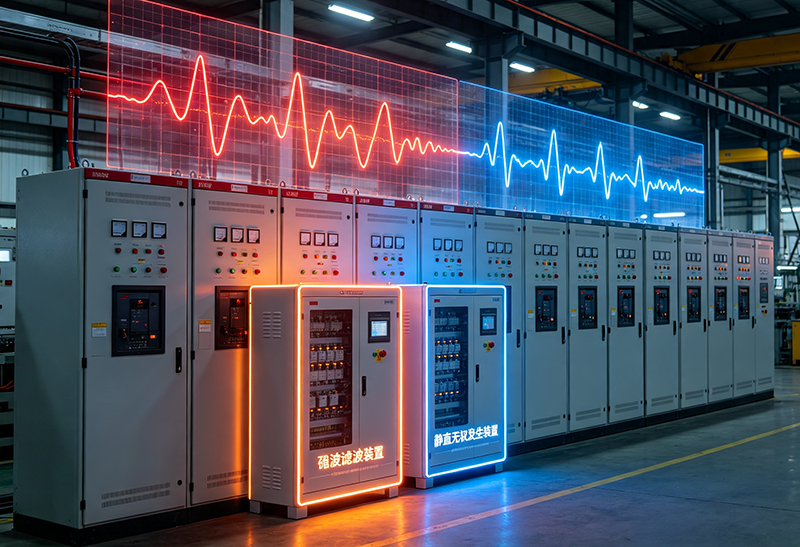
Da Industrieanlagen zunehmend auf leistungselektronische Geräte angewiesen sind, Harmonische Verzerrungen sind heute zu einer der häufigsten Herausforderungen für die Netzqualität geworden, mit denen Ingenieure konfrontiert sind. Frequenzumrichter (VFDs), Gleichrichter, UPS -Systeme, Induktionsöfen, Ladegeräte für Elektrofahrzeuge, und Wechselrichter für erneuerbare Energien führen alle zu Oberschwingungen in elektrischen Systemen.
Zu hohe Oberschwingungen können zur Überhitzung von Transformatoren führen, Kondensatorausfälle, lästiges Auslösen, verkürzte Lebensdauer der Ausrüstung, und Probleme bei der Einhaltung der Versorgungsvorschriften. Infolge, Die Auswahl der richtigen Lösung zur Oberschwingungsminderung ist für die Aufrechterhaltung der Systemzuverlässigkeit und Energieeffizienz von entscheidender Bedeutung.
Zu den am weitesten verbreiteten Lösungen gehören dreiphasige Oberschwingungsfilter Und aktive harmonische Filter (APF). Beide Technologien sind darauf ausgelegt, harmonische Verzerrungen zu reduzieren, ihre Funktionsprinzipien, Leistungsmerkmale, und Anwendungsszenarien unterscheiden sich erheblich.
Als leitender Elektroingenieur bei CoEpower, Ich werde oft von Facility Managern und beratenden Ingenieuren gefragt:
“Sollte ich einen herkömmlichen dreiphasigen Oberschwingungsfilter oder einen aktiven Oberschwingungsfilter installieren??”
In diesem Artikel, Ich erkläre Ihnen die Unterschiede zwischen diesen beiden Technologien und helfe Ihnen herauszufinden, welche Lösung für Ihre Einrichtung am besten geeignet ist.
Oberschwingungen in industriellen Energiesystemen verstehen
Vor dem Vergleich von Filtertechnologien, Es ist wichtig zu verstehen, was Harmonische sind.
In einem idealen elektrischen System, Spannungs- und Stromwellenformen sind reine Sinuswellen 50 Hz bzw 60 Hz.
Jedoch, Nichtlineare Lasten ziehen den Strom eher in Impulsen als in glatten Sinusmustern. Dadurch entstehen zusätzliche Frequenzkomponenten, sogenannte Harmonische.
Zu den üblichen harmonischen Ordnungen gehören::
- 33. Harmonische (150 Hz)
- 5te Harmonische (250 Hz)
- 7te Harmonische (350 Hz)
- 11te Harmonische (550 Hz)
- 13te Harmonische (650 Hz)
Je mehr nichtlineare Geräte in einer Anlage installiert sind, desto größer ist die harmonische Verzerrung.
Zu den typischen Folgen gehören::
- Überhitzung des Transformators
- Erhöhte Kabelverluste
- Ausfälle der Kondensatorbank
- Motorvibration
- Verschlechterung des Leistungsfaktors
- Produktionsausfall
- IEEE wird nicht eingehalten 519 Anforderungen
Hier kommen harmonische Filter zum Einsatz.
Was ist ein dreiphasiger harmonischer Filter??
Ein dreiphasiger harmonischer Filter, allgemein bekannt als passiver harmonischer Filter, ist ein Filtergerät, das aus Induktoren besteht, Kondensatoren, und manchmal Widerstände.
Es wurde entwickelt, um einen Pfad mit niedriger Impedanz für bestimmte harmonische Frequenzen zu schaffen, Ableitung von Oberschwingungsströmen aus dem Stromnetz.
Wie es funktioniert
Passive Filter sind auf vorgegebene harmonische Frequenzen abgestimmt.
Zum Beispiel:
- 5Oberwellenfilter
- 7Oberwellenfilter
- 11Oberwellenfilter
Wenn harmonische Ströme mit diesen Frequenzen vorhanden sind, sie fließen in den Filter und nicht in das Verteilungsnetz.
Das Ergebnis ist eine geringere harmonische Verzerrung im gesamten System.
Vorteile von dreiphasigen harmonischen Filtern
Niedrigere Anschaffungskosten
Passive Filter kosten im Allgemeinen weniger als aktive Oberschwingungsfilter bei gleicher Nennstromstärke.
Dies macht sie für Projekte mit begrenzten Budgets attraktiv.
Einfache Konstruktion
Die Technologie wird seit Jahrzehnten eingesetzt und besteht überwiegend aus passiven elektrischen Komponenten.
Es sind keine ausgefeilten Steueralgorithmen erforderlich.
Anwendungen mit hoher Kapazität
Passive Filter können für sehr große Industrielasten konzipiert werden, bei denen harmonische Frequenzen vorhersehbar bleiben.
Reaktive Leistungskompensation
Viele passive Filter sorgen gleichzeitig für Oberschwingungsminderung und Leistungsfaktorkorrektur.
Einschränkungen von dreiphasigen harmonischen Filtern
Trotz ihrer Vorteile, Passive Filter haben mehrere Nachteile.
Feste Vergütung
Passive Filter zielen nur auf Oberwellen ab, für die sie speziell entwickelt wurden.
Wenn sich die Lasteigenschaften ändern, Die Wirksamkeit des Filters kann nachlassen.
Resonanzrisiko
Eines der größten Probleme ist die harmonische Resonanz.
Falsch ausgelegte passive Filter können das Versorgungsnetz beeinträchtigen, Oberwellen werden tatsächlich verstärkt, anstatt sie zu reduzieren.
Reduzierte Flexibilität
Industrieanlagen erweitern häufig die Produktion oder installieren neue Geräte.
Ein heute entwickelter passiver Filter kann zukünftige harmonische Bedingungen möglicherweise nicht ausreichend berücksichtigen.
Begrenzte Oberwellenabdeckung
Die meisten passiven Filter zielen nur auf bestimmte harmonische Ordnungen ab.
Harmonische höherer Ordnung können unbehandelt bleiben.
Was ist ein aktiver harmonischer Filter (APF)?
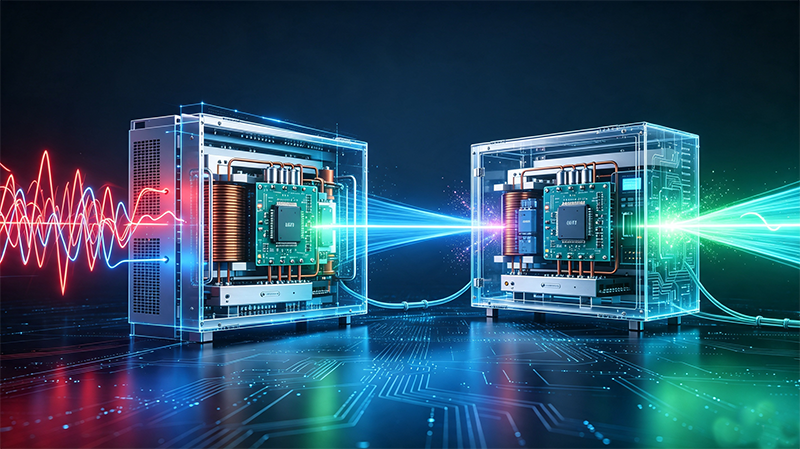
Ein aktiver Oberschwingungsfilter ist ein fortschrittliches Leistungselektronikgerät, das harmonische Ströme dynamisch misst und gleiche und entgegengesetzte Kompensationsströme in das System einspeist.
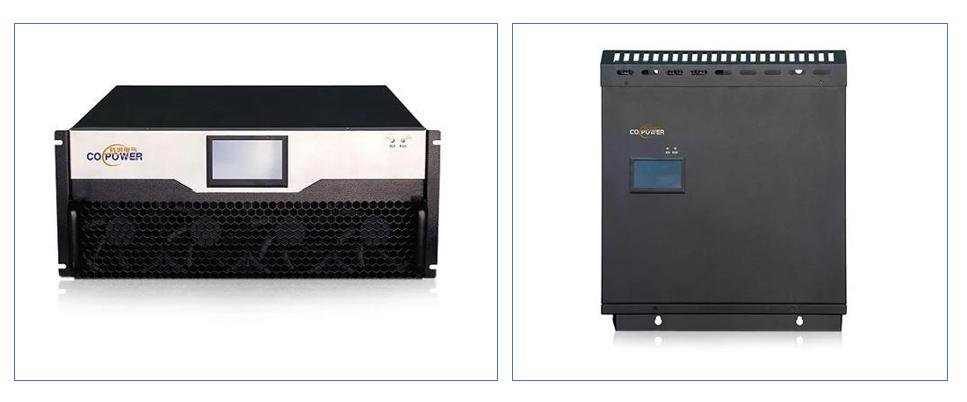
Anstatt Oberwellen wie passive Filter zu absorbieren, APFs stornieren sie aktiv.
Diese Technologie gilt weithin als die fortschrittlichste Lösung zur Oberschwingungsminderung in modernen industriellen Energiesystemen.
Wie aktive harmonische Filter funktionieren
Der APF überwacht kontinuierlich aktuelle Wellenformen mithilfe von Hochgeschwindigkeits-Digitalsignalprozessoren (DSPs).
Das System:
- Erkennt harmonische Komponenten
- Berechnet den Vergütungsbedarf
- Erzeugt inverse harmonische Ströme
- Speist Ausgleichsströme in das Netzwerk ein
Die unerwünschten Oberwellen werden effektiv in Echtzeit gelöscht.
Der Vorgang erfolgt innerhalb von Millisekunden.
Wenn sich die Lastbedingungen ändern, Die APF passt ihre Vergütungsstrategie automatisch an.
Vorteile aktiver harmonischer Filter
Dynamische harmonische Kompensation
Im Gegensatz zu passiven Filtern, APFs passen sich sofort an wechselnde Lastbedingungen an.
Dadurch sind sie ideal für Betriebe mit variablen Produktionsplänen.
Breite harmonische Abdeckung
Ein einzelner APF kann gleichzeitig kompensieren:
- 2nd bis 50. Harmonische
- Ungerade Harmonische
- Sogar Harmonische
- Interharmonische
Es ist keine Abstimmung erforderlich.
Kein Resonanzrisiko
Weil APFs nicht auf LC-Resonanzkreisen basieren, Sie eliminieren das Risiko einer harmonischen Verstärkung.
Dadurch wird die Systemzuverlässigkeit deutlich verbessert.
Reaktive Leistungskompensation
Moderne APFs können dies leisten:
- Harmonische Filterung
- Reaktive Leistungskompensation
- Leistungsfaktorkorrektur
- Lastausgleich
Alles in einem einzigen Gerät.
Einhaltung von IEEE 519
Viele Einrichtungen nutzen APFs, um die IEEE-Konformität zu erreichen 519 Harmonische Normen und Versorgungsanforderungen.
Einschränkungen aktiver harmonischer Filter
Höhere Anfangsinvestition
APFs erfordern in der Regel eine größere Vorabinvestition als passive Filter.
Jedoch, Aufgrund der verbesserten Effizienz und Flexibilität sind die Lebenszykluskosten häufig niedriger.
Elektronische Komponenten
Als leistungselektronische Geräte, APFs enthalten IGBTs, Controller, und Kühlsysteme, die ordnungsgemäß gewartet werden müssen.
Kapazitätsplanung
Extrem große Oberschwingungslasten können den Parallelbetrieb mehrerer APF-Einheiten erfordern.
Direkter Vergleich
| Besonderheit | Dreiphasen-Oberschwingungsfilter | Aktiver harmonischer Filter |
| Technologie | Passives LC-Netzwerk | Leistungselektronik |
| Harmonische Abdeckung | Ausgewählte Harmonische | Breites Spektrum |
| Dynamische Kompensation | NEIN | Ja |
| Anpassungsfähigkeit laden | Beschränkt | Exzellent |
| Resonanzrisiko | Ja | NEIN |
| Reaktive Leistungskompensation | Möglich | Ja |
| Kompatibilität mit zukünftigen Erweiterungen | Beschränkt | Hoch |
| Wartung | Niedrig | Mäßig |
| Anschaffungskosten | Untere | Höher |
| Langfristige Flexibilität | Niedrig | Exzellent |
| IEEE 519 Einhaltung | Mäßig | Exzellent |
Welche Branchen bevorzugen passive harmonische Filter??
Passive harmonische Filter werden üblicherweise verwendet:
- Zementwerke
- Stahlwerke
- Bergbauanlagen
- Wasseraufbereitungsanlagen
- Große Motoranwendungen
Diese Umgebungen weisen häufig relativ stabile Lastprofile auf, bei denen harmonische Eigenschaften vorhersehbar bleiben.
Welche Branchen bevorzugen aktive harmonische Filter??
Bei CoEpower, Wir empfehlen häufig APFs für:
- Halbleiterfertigung
- Rechenzentren
- Handelsgebäude
- Krankenhäuser
- EV -Ladestationen
- Solarkraftwerke
- Batterie-Energiespeichersysteme (BESS)
- Elektronikfertigung
- Herstellung von monokristallinem Silizium
Bei diesen Anwendungen handelt es sich typischerweise um sich schnell ändernde nichtlineare Lasten, die eine dynamische Kompensation erfordern.
Kosten vs. Leistung: Die wahre Entscheidung
Viele Käufer konzentrieren sich ausschließlich auf den Preis der Ausrüstung.
Jedoch, erfahrene Ingenieure bewerten:
- Energieverluste
- Risiko von Produktionsausfällen
- Instandhaltungskosten
- Erweiterungsanforderungen
- Versorgungsstrafen
- Lebensdauer der Ausrüstung
Während passive Filter möglicherweise geringere Vorabkosten haben, APFs bieten aufgrund ihrer Flexibilität und überlegenen Leistung oft einen größeren langfristigen Wert.
Für Einrichtungen, die eine zukünftige Erweiterung planen oder stark schwankende Lasten betreiben, Aktive Oberschwingungsfilter sind im Laufe des Gerätelebenszyklus in der Regel die wirtschaftlichere Wahl.
Empfehlung von CoEpower
Nach der Implementierung von Projekten zur Harmonisierungsminderung in der gesamten Fertigung, erneuerbare Energie, und gewerblichen Bereichen, Unser Engineering-Team hat einen klaren Trend beobachtet.
Für moderne Industrieanlagen mit variablen nichtlinearen Lasten, Aktive harmonische Filter sorgen für die höchste Verbesserung der Stromqualität, betriebliche Flexibilität, und zukunftssicher.
Passive Oberschwingungsfilter bleiben eine praktikable Lösung für stabile Lastumgebungen und budgetsensible Projekte. Jedoch, für Einrichtungen, die strenge harmonische Standards erreichen wollen, Maximieren Sie die Zuverlässigkeit der Ausrüstung, und zukünftiges Wachstum unterstützen, APFs sind oft die bevorzugte Technologie.
Abschluss
Sowohl dreiphasige Oberwellenfilter als auch aktive Oberwellenfilter spielen eine wichtige Rolle bei der Oberwellenminderung. Die beste Lösung hängt vom Lastprofil Ihrer Einrichtung ab, harmonische Ebenen, Expansionspläne, und Stromqualitätsziele.
Wählen Sie ein Dreiphasen-Oberschwingungsfilter Wenn:
- Harmonische Quellen sind vorhersehbar
- Die Lastbedingungen sind stabil
- Das Budget ist ein Hauptanliegen
Wählen Sie ein Aktiver harmonischer Filter (APF) Wenn:
- Harmonische Bedingungen ändern sich häufig
- Es ist eine hohe Filterleistung erforderlich
- IEEE 519 Compliance ist wichtig
- Zukünftige Systemerweiterungen werden erwartet
Bei CoEpower, Wir unterstützen Kunden bei der Analyse von Netzqualitätsdaten und der Auswahl der kostengünstigsten Lösung zur Oberschwingungsminderung auf der Grundlage realer Betriebsbedingungen.
Wenn in Ihrer Einrichtung ein übermäßiger THD auftritt, Kondensatorausfälle, Überhitzung des Transformators, oder schlechter Leistungsfaktor, Unser Ingenieurteam kann eine maßgeschneiderte harmonische Analyse- und Filterlösung anbieten, die auf Ihre Bedürfnisse zugeschnitten ist.
Tags:
Dreiphasen-Oberschwingungsfilter, Aktiver harmonischer Filter, APF, Harmonische Minderung, Harmonischer Filter vs. APF, Industrielle Harmonische, Lösungen für die Stromqualität, Passiver harmonischer Filter, Aktiver Leistungsfilter, Leistungsfaktorkorrektur, Reduzierung harmonischer Verzerrungen, Elektrische harmonische Filterung, Industrielle Stromqualität, CoEpower APF, IEEE 519 Einhaltung, Lieferanten, Hersteller, Fabrik, Unternehmen, China, Großhandel, kaufen, Preis, Zitat, Schüttgut, zu verkaufen, Unternehmen, Aktie, kosten.