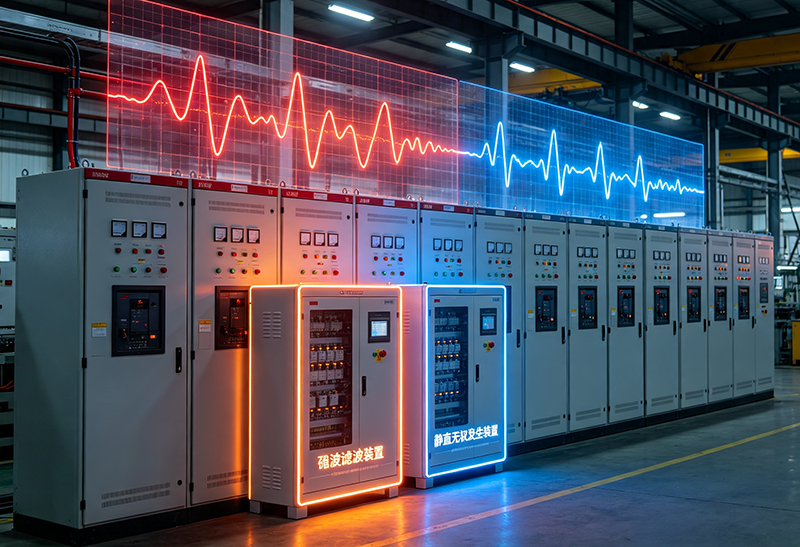
Moderne Fabriken werden zunehmend automatisiert, effizient, und intelligent. Von CNC-Maschinen und Roboterproduktionslinien bis hin zu Frequenzumrichtern (VFDs), Industrieroboter, Schweißgeräte, und automatisierte Kontrollsysteme, Fortschrittliche elektrische Geräte haben die Herstellungsprozesse verändert.
Jedoch, Diese Technologien haben auch eine neue Herausforderung geschaffen: Probleme mit der Stromqualität.
Als leitender Elektroingenieur bei Coepower, Ich habe mit Industriekunden in der gesamten Fertigung zusammengearbeitet, Automobil, Stahl, Chemikalie, Wasseraufbereitung, und erneuerbare Energien. Ein häufiges Problem, das wir beobachten, ist, dass viele Fabriken viel in Produktionsausrüstung investieren, aber die Qualität der Stromversorgung, die diese Systeme versorgt, außer Acht lassen.
Eine schlechte Stromqualität kann stillschweigend die Betriebskosten erhöhen, die Lebensdauer der Ausrüstung verkürzen, kann zu unerwarteten Abschaltungen führen, und die Produktionseffizienz verringern.
Zwei der effektivsten Technologien zur Lösung dieser Herausforderungen sind:
- Aktive harmonische Filter (Ahf) — Entwickelt, um harmonische Verzerrungen zu eliminieren
- Statische Var-Generatoren (Svg) — ausgelegt für dynamische Blindleistungskompensation und Leistungsfaktorkorrektur
Obwohl diese beiden Geräte oft separat besprochen werden, Die beste Strategie zur industriellen Stromqualität besteht in der Regel darin, beide Technologien zu kombinieren.
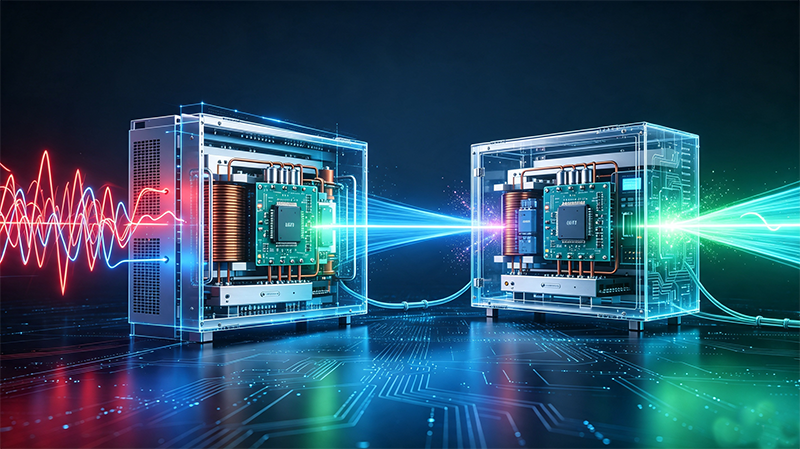
Ein Aktiver harmonischer Filter + Statische Var-Generatorlösung bietet umfassenden Schutz vor Oberschwingungsverschmutzung, Probleme mit der Blindleistung, Spannungsinstabilität, und Energieverluste.
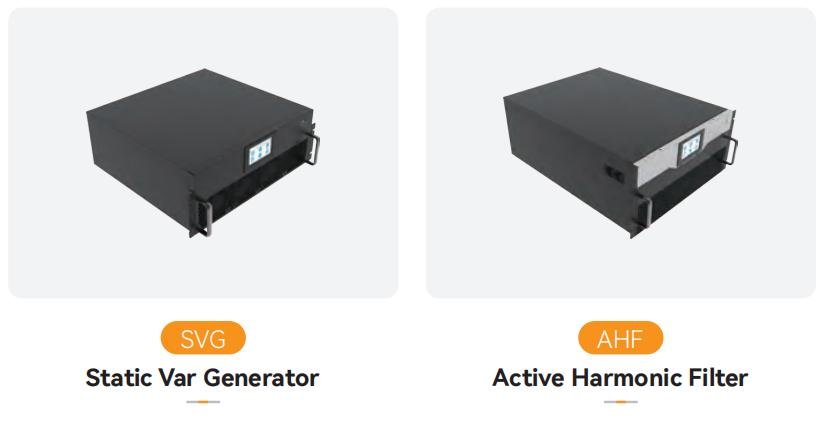
In diesem Artikel, Ich werde erklären, warum moderne Fabriken sowohl einen aktiven harmonischen Filter als auch einen statischen Var-Generator benötigen.
1. Moderne Fabriken stehen vor komplexeren Problemen mit der Stromqualität
Herkömmliche elektrische Systeme wurden hauptsächlich für lineare Lasten wie Motoren konzipiert, Heizungen, und Beleuchtungssysteme.
Die heutigen Fabriken, Jedoch, sind stark auf leistungselektronische Geräte angewiesen, einschließlich:
- Variable Frequenzantriebe (VFDs)
- Servoantriebe
- UPS -Systeme
- Schweißmaschinen
- Industrieroboter
- Batterieladesysteme
- EV -Ladestationen
- Solarwechselrichter
- Gleichrichter
Bei den meisten dieser Geräte handelt es sich um nichtlineare Lasten, Das heißt, sie verbrauchen keinen Strom in einer glatten Sinuswellenform.
Stattdessen, Sie erzeugen elektrische Störungen wie z:
- Harmonische Strömungen
- Spannungsverzerrung
- Niedriger Leistungsfaktor
- Blindleistungsschwankungen
- Aktuelles Ungleichgewicht
Diese Probleme betreffen das gesamte Stromverteilungssystem.
Eine Fabrik kann erleben:
- Überhitzung des Transformators
- Reduzierung der Motoreffizienz
- Häufiges Auslösen des Leistungsschalters
- SPS-Kommunikationsfehler
- Produktionsunterbrechungen
- Höhere Stromkosten
Aus diesem Grund reicht es oft nicht aus, sich nur auf ein einziges Power-Quality-Gerät zu verlassen.
2. Aktive harmonische Filter lösen Probleme mit harmonischen Verzerrungen
Was sind Harmonische??
Oberwellen sind unerwünschte Frequenzkomponenten, die die normale elektrische Wellenform verzerren.
Zum Beispiel, Eine saubere Wechselstromversorgung arbeitet mit der Grundfrequenz, typischerweise 50 Hz oder 60 Hz. Nichtlineare Lasten führen zusätzliche Frequenzen ein, z:
- 33. Harmonische
- 5te Harmonische
- 7te Harmonische
- Harmonische höherer Ordnung
Hohe harmonische Pegel erhöhen die Gesamtverzerrung (Thd), was sich negativ auf Industrieanlagen auswirken kann.
Probleme durch harmonische Verzerrung
Übermäßige Harmonische können verursachen:
Überhitzung des Transformators
Oberschwingungsströme erhöhen zusätzliche Verluste im Inneren von Transformatoren, Dies führt zu höheren Temperaturen und verringert die Lebensdauer der Isolierung.
Kabelüberhitzung
Ein höherer Effektivstrom erhöht die Kabelverluste und erfordert möglicherweise eine größere Kabelkapazität.
Motorische Probleme
Oberwellen erzeugen zusätzliche Erwärmung, Vibration, und Drehmomentverluste in Motoren.
Fehlfunktion der Ausrüstung
Empfindliche Geräte wie SPS, Automatisierungssysteme, und Kommunikationsgeräte können aufgrund einer verzerrten Stromversorgung ausfallen.
Wie aktive harmonische Filter funktionieren
Ein Aktiver harmonischer Filter (Ahf) überwacht kontinuierlich das elektrische System und erkennt Oberschwingungsströme.
Anschließend wird ein entgegengesetzter Kompensationsstrom erzeugt, um die unerwünschten Oberwellen zu beseitigen.
Das Ergebnis ist:
- Geringerer THD
- Sauberere Stromwellenform
- Reduzierte elektrische Verluste
- Verbesserte Gerätezuverlässigkeit
Im Vergleich zu passiven harmonischen Filtern, Aktive harmonische Filter bieten mehrere Vorteile:
- Kompensation in Echtzeit
- Eliminierung mehrerer Harmonischer
- Kein Resonanzrisiko
- Geeignet für wechselnde Industrielasten
- Einfache Systemerweiterung
Für Fabriken mit vielen VFDs, Automatisierungsgeräte, und elektronische Lasten, AHF ist eine unverzichtbare Lösung für die Stromqualität.
3. Statische Var-Generatoren verbessern den Leistungsfaktor und die Spannungsstabilität
Während sich aktive harmonische Filter auf harmonische Probleme konzentrieren, Viele Fabriken leiden auch unter Blindleistungsproblemen.
Was ist Blindleistung??
Elektrische Geräte wie Motoren und Transformatoren benötigen Blindleistung, um Magnetfelder zu erzeugen.
Obwohl Blindleistung keine Nutzarbeit leistet, es erhöht die aktuelle Nachfrage aus dem Netz.
Es ergibt sich ein niedriger Leistungsfaktor:
- Höhere Stromrechnungen
- Versorgungsstrafen
- Erhöhte Transformatorbelastung
- Höhere Verteilungsverluste
Wie statische Var-Generatoren funktionieren
A Statischer VAR -Generator (Svg) nutzt fortschrittliche Leistungselektronik, um Blindleistung dynamisch zu erzeugen oder zu absorbieren.
Die Kompensation wird automatisch an die Lastbedingungen angepasst.
SVG bietet:
- Schnelle Blindleistungskompensation
- Leistungsfaktorkorrektur
- Spannungsstabilisierung
- Dreiphasenausgleich
Im Gegensatz zu herkömmlichen Kondensatorbanken, SVG reagiert sofort auf Laständerungen.
Dies macht es ideal für Fabriken mit schnell wechselnden Lasten, wie zum Beispiel:
- Schweißarbeiten
- Kräne
- Walzwerke
- Spritzgießmaschinen
- Große motorische Systeme
4. Warum Fabriken sowohl AHF als auch SVG benötigen
Ein häufiges Missverständnis besteht darin, dass die Installation entweder eines aktiven harmonischen Filters oder eines statischen Var-Generators ausreicht.
Jedoch, Sie lösen verschiedene elektrische Probleme.
Aktive harmonische Filteradressen:
✔ Harmonische Verzerrung
✔ Hoher THD
✔ Nichtlineare Lastverschmutzung
✔ Geräteüberhitzung durch Oberschwingungen
Statische Variablengeneratoradressen:
✔ Niedriger Leistungsfaktor
✔ Blindleistungsbedarf
✔ Spannungsschwankung
✔ Lastungleichgewicht
In einer Fabrik, in der nur AHF betrieben wird, kann es immer noch zu einem hohen Blindleistungsverbrauch kommen.
Eine Fabrik, die nur SVG verwendet, kann immer noch unter harmonischen Verzerrungen leiden.
daher, Die Kombination beider ergibt eine Komplettlösung.
5. Vorteile der gemeinsamen Installation von AHF und SVG
1. Verbesserte Gerätezuverlässigkeit
Sauberer Strom reduziert Stress:
- Transformatoren
- Motoren
- Schaltanlage
- Automatisierungsgeräte
Dies verlängert die Lebensdauer der Geräte und reduziert den Wartungsaufwand.
2. Reduzierte Energiekosten
AHF reduziert unnötigen Oberschwingungsstrom, während SVG den Leistungsfaktor verbessert.
Zusammen reduzieren sie:
- Leitungsverluste
- Transformatorverluste
- Blindleistungsgebühren
Viele Fabriken erzielen messbare Energieeinsparungen, nachdem sie Verbesserungen der Stromqualität implementiert haben.
3. Erhöhte Produktionsstabilität
Unerwartete Ausfallzeiten sind einer der größten Kostenfaktoren für Hersteller.
Verbesserungen der Stromqualität helfen, dies zu verhindern:
- SPS-Ausfälle
- Maschinenstillstände
- Fehler im Steuerungssystem
- Produktionsunterbrechungen
4. Einhaltung der Stromqualitätsstandards
Viele Industrieanlagen müssen Anforderungen an die Stromqualität erfüllen, z:
- IEEE 519 Harmonische Standards
- Vorschriften zur Qualität der Stromversorgung
- Anforderungen an den industriellen Netzanschluss
AHF hilft, harmonische Verzerrungen zu reduzieren, während SVG die Leistung des Leistungsfaktors verbessert.
6. Branchen, die am meisten von AHF profitieren + SVG-Lösungen
Basierend auf unserer Erfahrung bei CoEpower, Branchen mit elektronischen Hochleistungslasten profitieren erheblich von kombinierten AHF- und SVG-Systemen.
Zu den typischen Anwendungen gehören::
Fertigungsanlagen
- CNC -Maschinen
- Automatisierte Produktionslinien
- Robotik
Stahlindustrie
- Lichtbogenöfen
- Walzwerke
- Schwere Motoren
Automobilfabriken
- Schweißsysteme
- Produktionsausrüstung für Elektrofahrzeuge
- Automatisierte Montagelinien
Rechenzentren
- UPS -Systeme
- Server-Netzteile
- Empfindliche elektronische Lasten
Wasseraufbereitungsanlagen
- Pumps
- Frequenzumrichter
- Motorsteuerungssysteme
Projekte für erneuerbare Energien
- Solarwechselrichter
- Energiespeichersysteme
- An das Netz angeschlossene Geräte
7. So wählen Sie das richtige AHF- und SVG-System aus
Die Auswahl der richtigen Lösung zur Stromqualität erfordert eine professionelle Analyse.
Bei CoEpower, Wir empfehlen eine Evaluierung:
- Vorhandene harmonische Ebenen
- THD-Messungen
- Lasteigenschaften
- Leistungsfaktor
- Reaktive Kraftbedarf
- Transformatorkapazität
- Zukünftiger Erweiterungsbedarf
Die richtige Lösung hängt von der tatsächlichen elektrischen Umgebung ab.
Überdimensionierte Geräte erhöhen die Investitionskosten, während eine Unterdimensionierung die Wirksamkeit verringert.
Eine professionelle Netzqualitätsbewertung gewährleistet maximale Leistung und Kapitalrendite.
Abschluss: Die beste Stromqualitätsstrategie ist eine Kombination aus AHF und SVG
Instabile elektrische Systeme können sich Fabriken heutzutage nicht mehr leisten.
Mit zunehmender Automatisierung und dem zunehmenden Einsatz leistungselektronischer Geräte, Probleme mit harmonischer Verzerrung und Blindleistung treten immer häufiger auf.
Ein Aktiver harmonischer Filter und a Statischer VAR -Generator unterschiedliche, aber komplementäre Probleme lösen:
- AHF eliminiert Oberwellenverschmutzung und reduziert THD.
- SVG verbessert den Leistungsfaktor, kompensiert Blindleistung, und stabilisiert die Spannung.
Zusammen, Sie schaffen einen Reiniger, effizienter, und zuverlässigeres elektrisches System.
Bei Coepower, Wir bieten fortschrittliche Lösungen zur Stromqualität, die für moderne Industrieanwendungen entwickelt wurden. Durch die Kombination von aktiven harmonischen Filtern und statischen Var-Generatoren, Fabriken können die Energiekosten senken, Schützen Sie wertvolle Ausrüstung, Verbesserung der Produktionssicherheit, und eine effizientere elektrische Infrastruktur aufbauen.
Wenn in Ihrer Fabrik hohe Stromkosten anfallen, Überhitzung der Ausrüstung, häufige Abschaltungen, oder instabile Stromversorgung, in eine AHF investieren + Die SVG-Lösung kann der entscheidende Schritt zur Erzielung einer besseren Stromqualität und langfristigen Betriebseffizienz sein.
Tags: Aktiver harmonischer Filter, Statischer VAR -Generator, Ahf, Svg, Industrielle Stromqualität, Harmonische Minderung, Leistungsfaktorkorrektur, Reaktive Leistungskompensation, Harmonische Verzerrung, THD-Reduzierung, Energieeffizienz in Fabriken, Lösung für die Qualität der elektrischen Energie, IEEE 519 Einhaltung, Industrielles elektrisches System, Lieferanten, Hersteller, Fabrik, Unternehmen, China, Großhandel, kaufen, Preis, Zitat, Schüttgut, zu verkaufen, Unternehmen, Aktie, kosten.