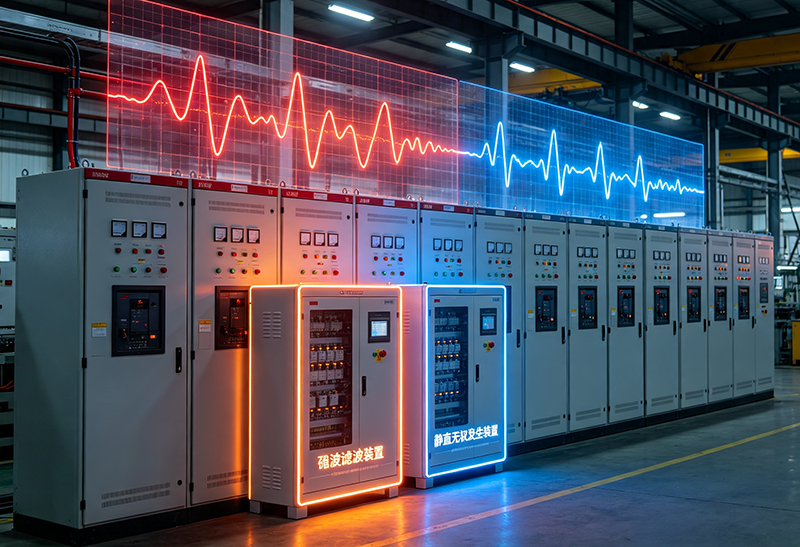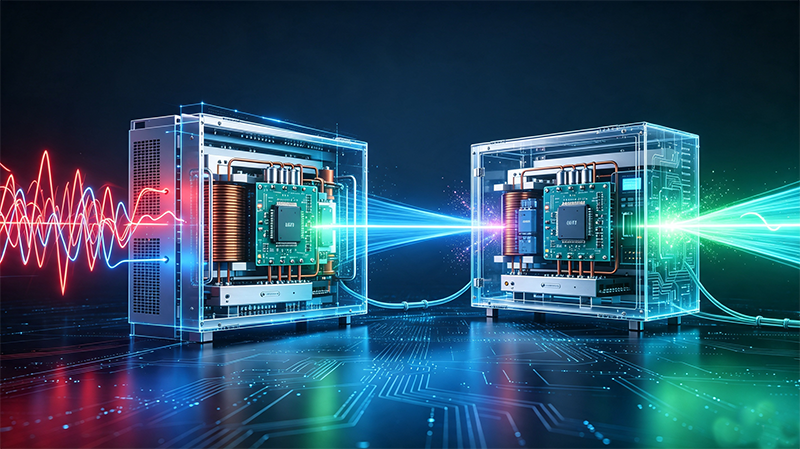
Dans les environnements industriels modernes, maintenir une qualité d’énergie élevée n’est plus une option : c’est essentiel. En tant qu'ingénieur électricien senior chez CoEpower, J'ai pu constater par moi-même comment la distorsion harmonique peut perturber les opérations, endommager les équipements sensibles, et augmenter les coûts opérationnels.
Deux des solutions les plus largement utilisées pour atténuer les harmoniques sont les Filtre harmonique actif (Ahf) et le filtre de suppression d'harmoniques (HSF) (communément appelés filtres d'harmoniques passifs). Alors que les deux visent à réduire la distorsion harmonique, ils fonctionnent différemment et sont adaptés à différentes applications.
Cet article fournit une description complète, guide pratique pour vous aider à choisir la bonne solution pour votre système industriel.
Que sont les harmoniques et pourquoi sont-elles importantes?
Les harmoniques sont des distorsions de tension ou de courant dans les systèmes électriques causées principalement par des charges non linéaires telles que:
- Drives de fréquence variable (VFDS)
- Redresseurs et onduleurs
- Systèmes UPS
- Équipement d'automatisation industrielle
Ces distorsions peuvent conduire à:
- Surchauffe des transformateurs et des câbles
- Augmentation des pertes d’énergie
- Dysfonctionnement ou panne de l’équipement
- Pénalités en cas de non-respect des normes comme IEEE 519
Une gestion efficace des harmoniques est essentielle pour garantir la fiabilité et l’efficacité du système.
Qu'est-ce qu'un filtre harmonique actif?
Un filtre harmonique actif (Ahf) est un appareil électronique avancé qui détecte et compense dynamiquement les courants harmoniques en temps réel.
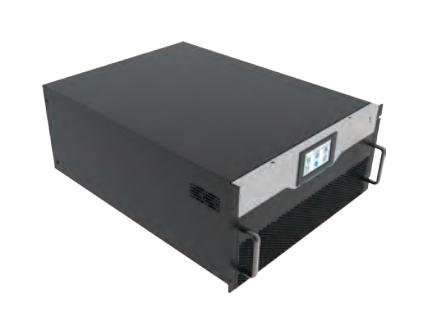
Principales caractéristiques de l’AHF:
- Compensation harmonique en temps réel
- Adaptatif aux changements de charge
- Capable de filtrer plusieurs ordres harmoniques simultanément
- Améliore également le facteur de puissance et équilibre les charges
Comment ça marche:
Les AHF utilisent l’électronique de puissance (Convertisseurs basés sur IGBT) injecter des courants contraires dans le système, annulant efficacement les harmoniques.
Qu'est-ce qu'un filtre de suppression d'harmoniques?
Un filtre de suppression d'harmoniques (HSF), généralement un filtre passif, est conçu en utilisant des combinaisons de condensateurs, inductances, et des résistances adaptées à des fréquences harmoniques spécifiques.
Principales caractéristiques du HSF:
- Compensation fixe pour des ordres harmoniques spécifiques
- Coût initial inférieur à celui des AHF
- Structure et fonctionnement simples
Comment ça marche:
Les HSF fournissent des chemins à faible impédance pour des fréquences harmoniques ciblées, les détourner du système électrique.
Filtre harmonique actif vs filtre de suppression d'harmoniques: Différences clés
| Fonctionnalité | Filtre harmonique actif | Filtre de suppression d'harmoniques |
|---|---|---|
| Principe de travail | Compensation dynamique en temps réel | Réglage de fréquence fixe |
| Flexibilité | Haut (s'adapte aux changements de charge) | Faible (conçu pour des harmoniques spécifiques) |
| Couverture harmonique | Large gamme (plusieurs commandes) | Limité aux fréquences accordées |
| Installation | Plus complexe | Plus simple |
| Coût | Investissement initial plus élevé | Coût initial réduit |
| Risque de résonance | Aucun | Problèmes de résonance possibles |
| Correction du facteur de puissance | Oui (multifonction) | Limité |
Quand devriez-vous choisir un filtre harmonique actif?
De mon expérience en ingénierie, Les AHF sont le meilleur choix dans les scénarios suivants:
1. Charges hautement variables
Industries telles que la fabrication, exploitation minière, et les centres de données sont souvent confrontés à des charges fluctuantes. Les AHF s’adaptent en temps réel, ce qui les rend idéaux.
2. Exigences strictes en matière de qualité d’alimentation
Si votre installation doit être conforme à la norme IEEE 519 ou normes similaires, Les AHF offrent un contrôle harmonique précis.
3. Profils harmoniques complexes
Lorsque plusieurs fréquences harmoniques sont présentes, Les AHF surpassent considérablement les filtres passifs.
4. Besoin de multifonctionnalité
Les AHF peuvent:
- Compenser les harmoniques
- Facteur de puissance correct
- Équilibrer les charges triphasées
Cela en fait une solution complète.
Quand devriez-vous choisir un filtre de suppression d’harmoniques?
HSF (filtres passifs) ont encore leur place dans les systèmes industriels, surtout dans ces cas:
1. Charges stables et prévisibles
Si votre système fonctionne dans des conditions cohérentes avec des fréquences harmoniques connues, les filtres passifs peuvent être efficaces.
2. Contraintes budgétaires
Les HSF sont plus rentables au départ, ce qui les rend adaptés aux projets avec des budgets limités.
3. Applications simples
Pour les systèmes avec une harmonique dominante (Par exemple, 5le ou le 7), un filtre passif réglé peut bien fonctionner.
Considérations relatives aux coûts: Investissement initial ou à long terme
L'une des questions les plus courantes que je reçois de la part des clients est:
« Quelle solution est la plus rentable?»
Filtre harmonique actif:
- Coût initial plus élevé
- Entretien réduit
- Des économies d'énergie au fil du temps
- Risque réduit de panne d’équipement
Filtre de suppression d'harmoniques:
- Coût initial inférieur
- Coûts cachés potentiels (résonance, désaccord, inefficacité)
- Peut nécessiter une refonte si les conditions du système changent
Aperçu de l'ingénierie:
Même si les AHF peuvent sembler chers au départ, ils offrent souvent un meilleur retour sur investissement dans des environnements industriels dynamiques.
Comparaison des performances et de la fiabilité
Filtre harmonique actif:
- Performances constantes sous différentes charges
- Aucun problème de désaccord
- Haute fiabilité dans les systèmes complexes
Filtre de suppression d'harmoniques:
- Les performances dépendent fortement de la stabilité du système
- Sensible à la résonance et à la surcharge
- L'efficacité diminue si les paramètres du système changent
Applications industrielles typiques
Applications de filtres harmoniques actifs:
- Centres de données
- Plants d'acier
- Fabrication automobile
- Systèmes d'énergie renouvelable (solaire / vent)
- Hôpitaux et installations critiques
Applications de filtres de suppression d'harmoniques:
- Cimenteries
- Installations de traitement de l'eau
- Systèmes CVC
- Applications de moteurs à vitesse fixe
Solutions hybrides: Le meilleur des deux mondes?
Dans certains cas, la combinaison des deux technologies donne des résultats optimaux.
Un système hybride peut utiliser:
- Filtres passifs pour la réduction globale des harmoniques
- Filtres actifs pour un réglage fin et une compensation dynamique
Cette approche équilibre efficacement les coûts et les performances.
Liste de contrôle de sélection pratique
Lors du choix entre un filtre d'harmoniques actif et un filtre de suppression d'harmoniques, considérez ce qui suit:
- Variabilité de charge (stable ou dynamique)
- Complexité du spectre harmonique
- Exigences de conformité (IEEE 519, Normes CEI)
- Budget (coût initial par rapport au coût du cycle de vie)
- Contraintes d'espace et d'installation
- Plans d'expansion futurs du système
Conclusion
Choisir entre un filtre actif d’harmoniques et un filtre de suppression d’harmoniques n’est pas simplement une décision technique : c’est un investissement stratégique dans l’efficacité de votre installation., fiabilité, et conformité.
D'après mon expérience chez CoEpower, la règle générale est:
- Choisissez des filtres harmoniques actifs pour la dynamique, complexe, et des systèmes performants
- Choisissez des filtres de suppression d'harmoniques pour une stabilité, prévisible, et applications sensibles aux coûts
Si votre système évolue ou devrait évoluer, investir dans une AHF offrira presque toujours une plus grande valeur à long terme.
À propos de CoEpower
Chez CoEpower, nous sommes spécialisés dans les solutions avancées de qualité de l'énergie, y compris des filtres harmoniques actifs et des systèmes d'atténuation des harmoniques personnalisés adaptés aux besoins industriels.
Si vous ne savez pas quelle solution convient à votre application, consulter des ingénieurs expérimentés peut permettre d'économiser du temps et de l'argent à long terme.
Balises: Filtre harmonique actif, Filtre de suppression d'harmoniques, atténuation harmonique, Solutions de qualité d'énergie, systèmes électriques industriels, filtre de distorsion harmonique, AHF vs filtre passif, solutions de filtrage des harmoniques, fournisseurs, fabricants, usine, entreprise, Chine, de gros, acheter, prix, citation, en gros, à vendre, entreprise, action, coût.