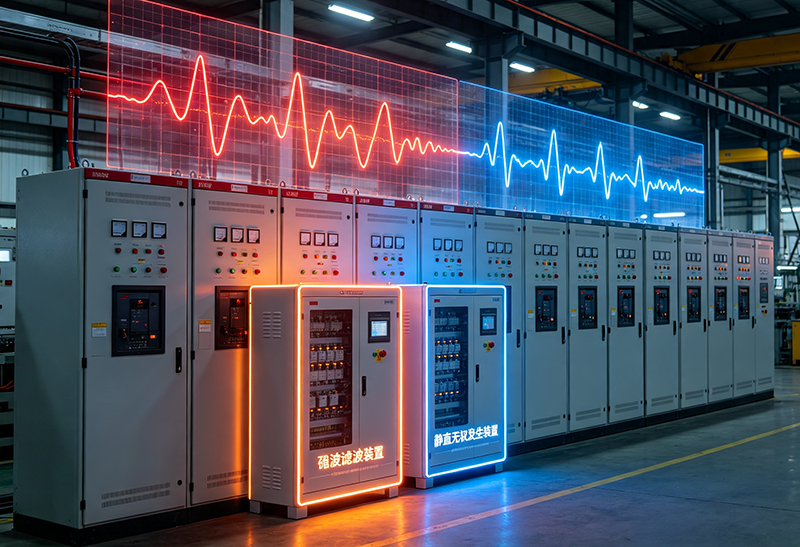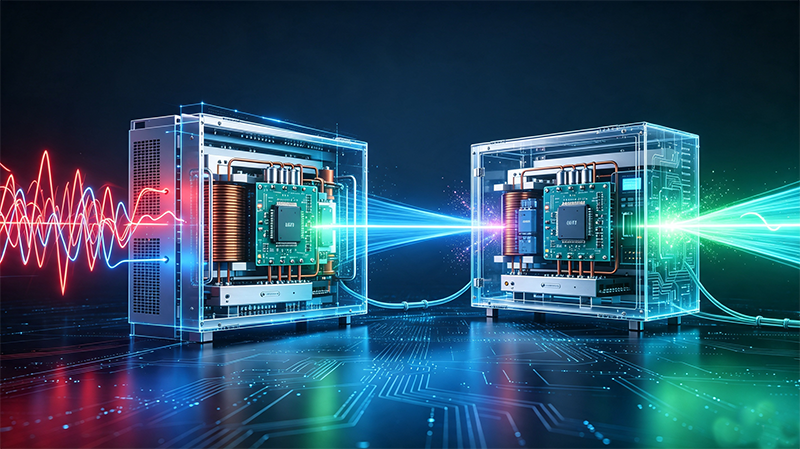
Lorsque les ingénieurs recherchent « STATCOM vs SVG,« ils rencontrent souvent des explications contradictoires. Certains articles disent qu'ils sont identiques. D'autres les traitent comme des technologies complètement différentes. Dans les systèmes électriques du monde réel, la réponse est plus nuancée.
En tant qu'ingénieur senior en qualité de l'énergie chez CoEpower, J'ai travaillé sur des projets de compensation de puissance réactive dans des centrales d'énergie renouvelable, usines industrielles, sous-stations, aciéries, opérations minières, et centres de données. L'une des questions les plus courantes des entrepreneurs EPC et des consultants en électricité est la suivante ::
"Devrions-nous utiliser STATCOM ou SVG pour ce projet?»
Cet article explique les différences d'ingénierie pratiques entre STATCOM et SVG, y compris les principes de fonctionnement, vitesse de réponse, capacité de support de tension, performance harmonique, considérations de coût, et applications industrielles.
Qu'est-ce que STATCOM?
UN STATCOM (Compensateur synchrone statique) est un produit performant. (Système de transmission CA flexible) dispositif utilisé pour fournir une compensation dynamique de puissance réactive et une régulation de tension dans les réseaux électriques.
Les systèmes STATCOM utilisent généralement:
- Convertisseur de source de tension (CSV)
- Modules de puissance IGBT
- Banque de condensateurs CC
- Algorithmes de contrôle numérique avancés
- Transformateur de couplage
L'objectif principal d'un STATCOM est de:
- Stabiliser la tension du réseau
- Améliorer le facteur de puissance
- Atténuer le scintillement de tension
- Soutenir l’intégration des énergies renouvelables
- Améliorer la stabilité transitoire
- Fournit une compensation rapide de la puissance réactive
Le principe d'échange de puissance réactive peut être simplifié comme:
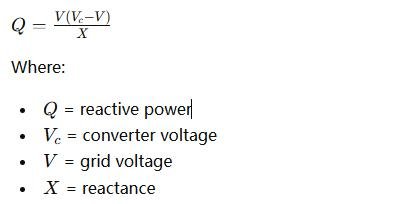
Lorsque la tension du convertisseur dépasse la tension du système, de la puissance réactive capacitive est injectée dans le réseau. Quand il est plus bas, la puissance réactive inductive est absorbée.
Qu'est-ce que SVG?
SVG signifie Générateur de Var Statique.
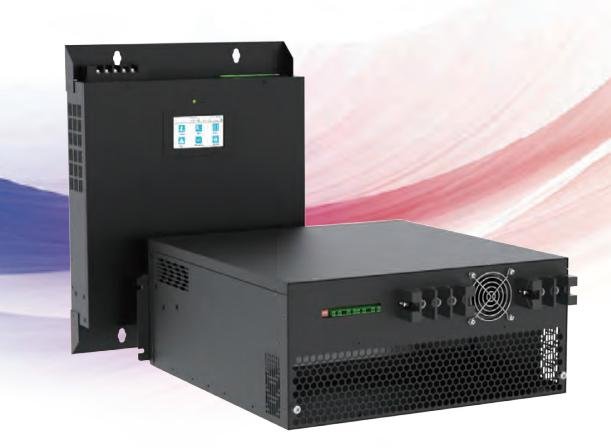
Sur de nombreux marchés industriels, en particulier en Asie et dans les applications de qualité d'énergie basse tension, SVG fait référence à un dispositif de compensation dynamique de puissance réactive basé sur la même technologie VSC utilisée dans les systèmes STATCOM.
Les systèmes SVG sont largement utilisés pour:
- Correction du facteur de puissance
- Compensation de puissance réactive
- Suppression des harmoniques
- Correction du déséquilibre triphasé
- Optimisation de l'efficacité énergétique
Dans la terminologie industrielle pratique:
- STATCOM est généralement associé aux applications moyenne tension et au niveau de la transmission.
- SVG est généralement associé aux systèmes de compensation industriels basse tension.
Cependant, techniquement, les deux appareils partagent des principes de base extrêmement similaires.
STATCOM et SVG: Différence fondamentale
La plus grande confusion en ligne réside dans le fait que de nombreux sites Web simplifient à l'excès la relation..
Voici la réalité de l'ingénierie:
| Fonctionnalité | STATCOM | SVG |
|---|---|---|
| Nom et prénom | Compensateur synchrone statique | Générateur VAR statique |
| Niveau de tension typique | Moyen & Haute tension | Faible & Moyenne tension |
| Application principale | Stabilité du réseau & régulation de tension | Correction du facteur de puissance industriel |
| Technologie | Basé sur VSC | Basé sur VSC |
| Vitesse de réponse | Extrêmement rapide | Extrêmement rapide |
| Prise en charge de la tension dynamique | Fort | Modéré à fort |
| Compensation harmonique | Capacité avancée | Communément intégré |
| Installation typique | Sous-stations de services publics, plantes renouvelables | Usines, bâtiments commerciaux |
| Complexité du système | Plus haut | Inférieur |
| Coût | Plus haut | Plus économique |
De nombreux fabricants utilisent ces termes de manière interchangeable car les deux s'appuient sur l'électronique de puissance et l'injection de puissance réactive en temps réel..
Du point de vue de l'ingénierie:
- STATCOM se concentre davantage sur la stabilité dynamique du réseau
- SVG se concentre davantage sur la compensation de puissance réactive industrielle
Pourquoi les banques de condensateurs traditionnelles ne suffisent plus
Les batteries de condensateurs conventionnelles existent encore dans de nombreuses usines, mais les charges non linéaires modernes créent de nouveaux défis en matière de qualité d'énergie:
- Drives de fréquence variable (VFDS)
- Fours à arc électrique
- Gros moteurs
- Équipement CNC
- Centres de données
- Bornes de recharge EV
- Onduleurs solaires
- Convertisseurs d'éoliennes
Ces charges produisent:
- Harmonique
- Fluctuations de tension
- Changements rapides de puissance réactive
- Vaciller
- Déséquilibre triphasé
Les batteries de condensateurs traditionnelles ne peuvent pas réagir assez rapidement.
Réponse typique de commutation de condensateur:
- 5–20 secondes
Réponse SVG/STATCOM typique:
- Moins que 10 millisecondes
Cette différence de vitesse est essentielle dans les réseaux intelligents modernes et les processus industriels à grande vitesse.
STATCOM vs SVG dans les systèmes d'énergie renouvelable
L'énergie renouvelable est l'une des applications de la technologie STATCOM qui connaît la croissance la plus rapide.
Les parcs solaires et éoliens créent des conditions de puissance réactive instables car la production change continuellement.
STATCOM aide en:
- Soutenir les réseaux faibles
- Stabilisation de la tension PCC
- Respecter les codes du réseau électrique
- Réduire les fluctuations de tension
- Améliorer le passage à basse tension (LVRT)
Pour les grandes centrales renouvelables à grande échelle, STATCOM est souvent obligatoire.
Les systèmes SVG sont plus courants dans:
- Solaire commercial sur toit
- Systèmes photovoltaïques industriels
- Projets de génération distribuée
Capacité d’atténuation des harmoniques
Les systèmes SVG modernes incluent souvent des fonctions de compensation harmonique.
Cela leur permet de fournir simultanément:
- Compensation de puissance réactive
- Filtrage harmonique
- Équilibrage de charge
Dans de nombreuses applications basse tension, Les unités SVG sont intégrées à:
- Filtres harmoniques actifs (Ahf)
- Modules APF
- Systèmes de rémunération hybrides
Les systèmes STATCOM peuvent également atténuer les harmoniques, en particulier dans les installations avancées à l'échelle des services publics.
Temps de réponse STATCOM et SVG
L'un des avantages techniques les plus importants est la vitesse de réponse dynamique..
réponse<10MS
Cette compensation ultra-rapide permet:
- Démarrage stable du moteur
- Affaissement de tension réduit
- Suppression du scintillement
- Stabilité améliorée du système de soudage
- Meilleur fonctionnement de la grue
- Performances stables du four à arc
Ceci est particulièrement important dans:
- Plants d'acier
- Installations minières
- Équipements portuaires
- Industries pétrochimiques
Quel est le meilleur: STATCOM ou SVG?
La bonne question n’est pas « Quel est le meilleur?»
La vraie question d'ingénierie est:
"Quel est le meilleur pour votre candidature?»
Choisissez STATCOM si vous en avez besoin:
- Régulation de tension à l'échelle du secteur public
- Prise en charge du réseau de transport
- Intégration des énergies renouvelables
- Stabilisation dynamique du réseau
- Compensation moyenne/haute tension
- Faible prise en charge du réseau
Choisissez SVG si vous en avez besoin:
- Correction du facteur de puissance industriel
- Compensation rapide de la puissance réactive
- Amélioration de l'efficacité énergétique des usines
- Atténuation harmonique
- Compensation réactive basse tension
- Coût du projet réduit
Applications typiques des systèmes SVG
SVG est largement utilisé dans:
- Usines de fabrication
- Usines de semi-conducteurs
- Centres de données
- Hôpitaux
- Bâtiments commerciaux
- Systèmes ferroviaires de métro
- Infrastructure de recharge pour véhicules électriques
- Installations de traitement de l'eau
Ces applications nécessitent:
- Facteur de puissance stable
- Pénalités réduites pour les services publics
- Pertes de transformateur réduites
- Efficacité du système améliorée
Applications typiques des systèmes STATCOM
STATCOM est plus courant dans:
- Sous-stations de services publics
- Parcs éoliens
- Centrales solaires
- Systèmes HVDC
- Systèmes de traction ferroviaire
- Grilles minières
- Réseaux de transport
Ces applications donnent la priorité:
- Stabilité de tension
- Résilience du réseau
- Support réactif dynamique
- Capacité de contournement des défauts
Comparaison des coûts STATCOM et SVG
Le coût dépend fortement de:
- Niveau de tension
- Capacité de rémunération
- Exigences harmoniques
- Environnement d'installation
- Méthode de refroidissement
- Conception de redondance
En général:
- Les systèmes SVG sont plus économiques pour les projets industriels basse tension
- Les systèmes STATCOM sont plus chers en raison de l'infrastructure moyenne/haute tension
Cependant, les économies sur le cycle de vie grâce à la réduction des pertes d'énergie et aux pénalités du facteur de puissance peuvent fournir un retour sur investissement rapide.
Tendance future: Convergence SVG et STATCOM
La frontière entre SVG et STATCOM devient de plus en plus floue.
Les systèmes modernes combinent désormais:
- Compensation réactive
- Filtrage harmonique
- Intégration du stockage d'énergie
- Gestion de la qualité de l'énergie basée sur l'IA
- Analyse de grille en temps réel
De nombreux fabricants commercialisent désormais les produits STATCOM basse tension sous le nom de systèmes SVG et vice versa..
La technologie sous-jacente converge vers l’intelligence, numérique, plates-formes de qualité d'énergie à haut débit.
Réflexions finales d'un ingénieur CoEpower
Après des années d'expérience en ingénierie de terrain, voici l'explication la plus simple:
- STATCOM est généralement la solution au niveau du réseau
- SVG est généralement la solution de niveau industriel
Les deux utilisent une électronique de puissance avancée pour résoudre les problèmes de puissance réactive bien plus efficacement que les batteries de condensateurs traditionnelles..
Si votre projet implique:
- Des charges qui évoluent rapidement
- Énergie renouvelable
- Harmonique
- Instabilité de tension
- Mauvais facteur de puissance
Alors la technologie SVG ou STATCOM est probablement la bonne direction.
Chez CoEpower, nous aidons les entrepreneurs EPC, utilitaires, et les installations industrielles sélectionnent la solution optimale de compensation de puissance réactive en fonction des conditions de fonctionnement réelles et non de la terminologie marketing..
FAQ
SVG est-il identique à STATCOM ??
Techniquement, les deux utilisent une technologie de compensation réactive similaire basée sur VSC. Cependant, SVG est couramment utilisé pour les applications industrielles basse tension, tandis que STATCOM est davantage associé aux services publics et aux systèmes moyenne/haute tension.
Qui répond plus vite: batterie de condensateurs ou SVG?
Les systèmes SVG répondent en millisecondes, alors que les batteries de condensateurs peuvent nécessiter plusieurs secondes.
SVG peut-il réduire les harmoniques?
Oui. De nombreux systèmes SVG modernes incluent une capacité de compensation harmonique.
Pourquoi STATCOM est-il utilisé dans les centrales solaires?
STATCOM fournit un support de tension dynamique et aide les centrales renouvelables à se conformer aux exigences du code réseau.
SVG améliore-t-il le facteur de puissance?
Oui. Les systèmes SVG compensent dynamiquement la puissance réactive pour maintenir un facteur de puissance proche de l'unité..
Balises: statcom contre svg, signification de statcom, svg électrique, Générateur VAR statique, compensateur statique synchrone, compensation de puissance réactive, Correction du facteur de puissance, principe de fonctionnement de statcom, SVG vs batterie de condensateurs, compensation réactive dynamique, solution industrielle svg, statcom moyenne tension, Solution de qualité de l'énergie, atténuation harmonique, stabilisation de la tension, fournisseurs, fabricants, usine, entreprise, Chine, de gros, acheter, prix, citation, en gros, à vendre, entreprise, action, coût.