Introdução
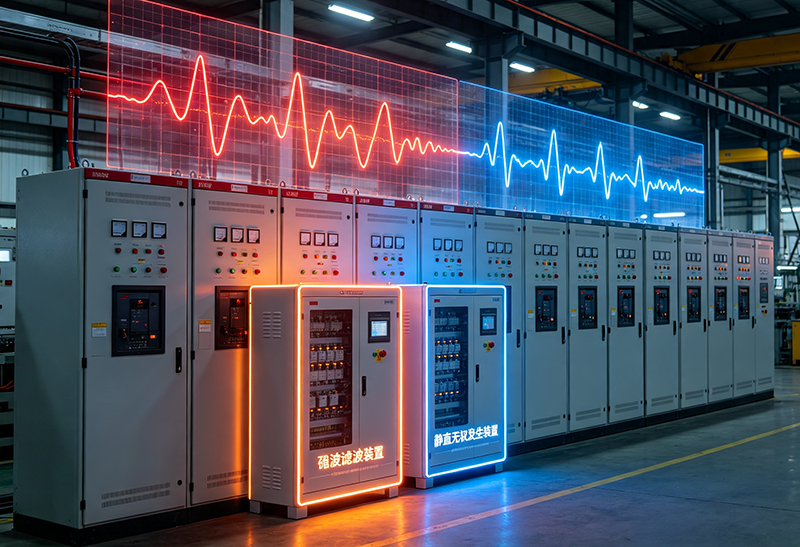
Em instalações industriais modernas, a eficiência energética elétrica está se tornando cada vez mais importante. Como engenheiro elétrico sênior na CoEpower, Frequentemente encontro fábricas que lutam com baixo fator de potência, consumo excessivo de energia reativa, penalidades de utilidade, flutuações de tensão, e redução da eficiência do sistema. Estas questões não só aumentam os custos de eletricidade, mas também afetam a fiabilidade e a vida útil de equipamentos críticos..
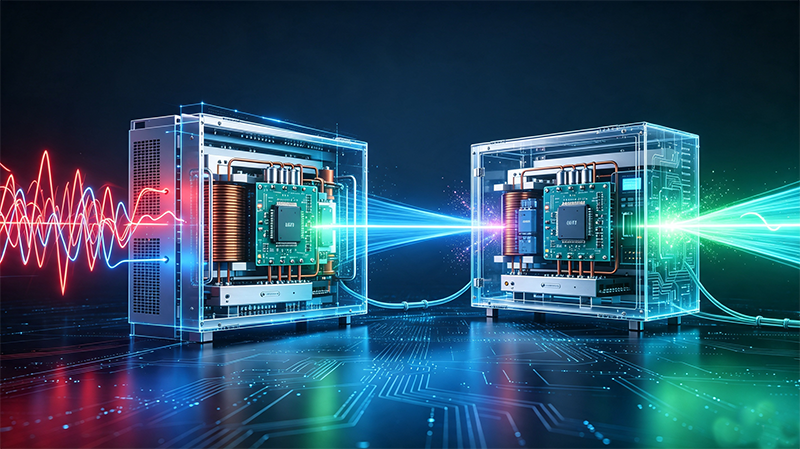
Um sistema de compensação de potência reativa bem projetado pode melhorar significativamente a qualidade da energia, reduzir perdas de energia, aumentar a capacidade do sistema, e menores tarifas de serviços públicos. Se você opera uma fábrica, instalação de mineração, usina siderúrgica, estação de tratamento de água, ou centro de dados, entender como projetar um sistema eficaz de compensação de potência reativa é essencial.
Este artigo fornece um guia completo para projeto de sistema de compensação de potência reativa, incluindo análise de carga, seleção de equipamentos de compensação, Mitigação harmônica, e soluções modernas como Geradores estáticos var (SVGs).
Compreendendo a potência reativa em instalações industriais
Antes de projetar um sistema de compensação, é importante entender o que é potência reativa.
Cargas industriais como:
- Motores de indução
- Transformadores
- Máquinas de solda
- Compressores
- Unidades de frequência variáveis (Vfds)
- Equipamento HVAC
requerem tanto energia ativa (kW) e potência reativa (esquerda).
A energia ativa realiza um trabalho útil, enquanto a energia reativa suporta os campos magnéticos necessários para a operação do equipamento. A demanda excessiva de energia reativa leva a:
- Baixo fator de potência
- Maior fluxo de corrente
- Aumento da carga do transformador
- Maiores perdas de cabo
- Quedas de tensão
- Penalidades do fator de potência da concessionária
O objetivo da compensação de potência reativa é fornecer a energia reativa necessária localmente, em vez de retirá-la da rede elétrica..
Etapa 1: Analise as características de carga de fábrica
O primeiro passo no projeto de um sistema de compensação é realizar uma pesquisa detalhada da qualidade da energia.
Os principais parâmetros a serem medidos incluem:
Potência Ativa Total (kW)
Determine a demanda média e máxima de potência ativa da fábrica.
Fator de Potência Existente
Medir:
- Fator de potência médio
- Fator de potência de pico de carga
- Fator de potência mínimo
A maioria das concessionárias exige um fator de potência acima 0.90 ou 0.95.
Demanda de energia reativa (esquerda)
Registre o consumo de energia reativa sob diferentes condições operacionais.
Distorção Harmônica
Medir:
- Thdi (Harmônicos Atuais)
- THDv (Harmônicos de Tensão)
Esta etapa é crítica porque os harmônicos influenciam muito a seleção do equipamento de compensação.
Variação de carga
Avalie se as cargas estão:
- Constante
- Intermitente
- Mudando rapidamente
Cargas dinâmicas geralmente exigem tecnologias avançadas de compensação.
Etapa 2: Definir objetivos de remuneração
Fábricas diferentes têm objetivos diferentes.
Os objetivos típicos incluem:
Melhorar o fator de potência
Por exemplo:
PF atual = 0.75
PF alvo = 0.98
Reduza as penalidades de serviços públicos
Muitas concessionárias cobram multas quando o fator de potência cai abaixo dos limites contratuais.
Liberar capacidade do transformador
Melhorar o fator de potência reduz a demanda de corrente e aumenta efetivamente a capacidade disponível do transformador.
Estabilizar a tensão
A compensação de potência reativa ajuda a manter os níveis de tensão em toda a planta.
Melhore o desempenho do equipamento
Uma melhor regulação de tensão aumenta a eficiência do motor e a confiabilidade da produção.
Etapa 3: Calcular a compensação de potência reativa necessária
A capacidade de compensação necessária pode ser calculada usando:
Qc = P × (tanφ1 − tanφ2)
Onde:
- Qc = Compensação necessária (esquerda)
- P = Potência ativa (kW)
- φ1 = Ângulo do fator de potência existente
- φ2 = Ângulo alvo do fator de potência
Exemplo
Carga de fábrica:
- Potência Ativa = 1000 kW
- PF existente = 0.75
- PF alvo = 0.98
tanφ1 = 0.882
tanφ2 = 0.203
Qc = 1000 × (0.882 - 0.203)
Qc = 679 esquerda
Um sistema de compensação de aproximadamente 680 kVAR é obrigatório.
Na prática, os engenheiros normalmente adicionam uma margem de projeto de 10% a 20%.
Etapa 4: Selecione a tecnologia de remuneração apropriada
Várias tecnologias estão disponíveis para compensação de potência reativa.
Bancos de capacitores fixos
Adequado para:
- Cargas constantes
- Condições operacionais estáveis
Vantagens:
- Baixo custo
- Instalação simples
Limitações:
- Sem ajuste automático
- Risco de sobrecompensação
Correção Automática do Fator de Potência (APFC) Bancos de capacitores
Adequado para:
- Cargas industriais variáveis
Vantagens:
- Comutação automática
- Melhor controle do fator de potência
- Econômico
Aplicações:
- Fábricas
- Instalações de tratamento de água
- Edifícios comerciais
Capacitor comutado por tiristor (TSC)
Adequado para:
- Cargas que mudam rapidamente
Vantagens:
- Resposta rápida
- Sem transientes de comutação
Aplicações:
- Plantas de soldagem
- Siderúrgicas
- Laminadores
Gerador de Var estático (SVG)
A tecnologia SVG representa a solução de compensação de potência reativa mais avançada disponível atualmente.
Vantagens:
Resposta rápida
Tempo de resposta normalmente menor que 10 milissegundos.
Compensação precisa
Ajusta continuamente a produção com base nos requisitos do sistema.
Compensação Capacitiva e Indutiva
Ao contrário dos capacitores tradicionais, SVG pode gerar e absorver energia reativa.
Excelente desempenho sob cargas baixas
Mantém alta precisão de compensação em todas as condições operacionais.
Capacidade de supressão harmônica
Muitos sistemas SVG fornecem funções limitadas de filtragem de harmônicas.
Aplicações:
- Indústria de mineração
- Data centers
- Plantas de semicondutores
- Sistemas de energia renovável
- Instalações de fabricação industrial
Na CoEpower, As soluções SVG estão se tornando cada vez mais a escolha preferida para projetos industriais modernos de correção de fator de potência.
Etapa 5: Considere as condições harmônicas
Muitas fábricas hoje usam:
- Unidades de frequência variáveis
- Sistemas UPS
- Retificadores
- Servoacionamentos
Esses dispositivos geram harmônicos que podem danificar bancos de capacitores.
Problemas potenciais incluem:
- Superaquecimento do capacitor
- Ressonância
- Falha no equipamento
- Superaquecimento do transformador
Portanto, análise harmônica é essencial.
Quando harmônicos estão presentes
Bancos de capacitores dessintonizados
Reatores são adicionados aos bancos de capacitores para evitar ressonância.
Frequências de sintonia típicas:
- 189 Hz
- 210 Hz
Amplamente utilizado em aplicações industriais.
Filtros harmônicos ativos (AHF)
Para instalações com distorção harmônica significativa, Filtros Harmônicos Ativos são frequentemente recomendados.
Benefícios:
- Eliminação harmônica dinâmica
- Compensação de energia reativa
- Melhor qualidade de energia
SVG + Soluções Híbridas AHF
As fábricas modernas frequentemente implantam:
- SVG para compensação de potência reativa
- AHF para filtragem harmônica
Esta combinação proporciona uma melhoria abrangente da qualidade da energia.
Etapa 6: Determine o local de instalação da compensação
A compensação pode ser instalada em diferentes níveis.
Compensação Centralizada
Instalado no quadro de distribuição principal.
Vantagens:
- Menor custo de investimento
- Manutenção mais fácil
Melhor para:
- Fábricas de pequeno e médio porte
Compensação de Grupo
Instalado em painéis de subdistribuição.
Vantagens:
- Melhor suporte de tensão
- Perdas reduzidas no alimentador
Melhor para:
- Grandes instalações de fabricação
Remuneração Individual
Instalado diretamente em motores ou equipamentos.
Vantagens:
- Eficiência máxima
Melhor para:
- Grandes motores de operação contínua
Etapa 7: Projetar sistemas de monitoramento e controle
Um sistema de compensação moderno deve incluir:
Monitoramento da qualidade de energia
Monitor:
- Fator de potência
- Tensão
- Atual
- Harmônicos
- Potência reativa
Interfaces de comunicação
Protocolos comuns incluem:
- Modbus RTU
- Modbus TCP
- Ethernet
Monitoramento Remoto
Os operadores da fábrica podem monitorar o desempenho do sistema em tempo real através de SCADA ou Sistemas de Gerenciamento de Energia (EMS).
Etapa 8: Avalie os requisitos de expansão futura
Um erro comum de projeto é dimensionar sistemas de compensação apenas para cargas atuais.
As fábricas muitas vezes expandem a capacidade de produção.
Os engenheiros deveriam:
- Reservar espaço no painel
- Reservar capacidade de comunicação
- Projete para um crescimento futuro de carga de 20% a 30%
Isso evita atualizações futuras dispendiosas.
Erros comuns de design a serem evitados
Sobrecompensação
Compensação excessiva pode criar problemas importantes de fator de potência.
Ignorando Harmônicos
Capacitores instalados sem estudos harmônicos geralmente falham prematuramente.
Compensação Subdimensionada
Compensação insuficiente não atinge o fator de potência alvo.
Escolhendo capacitores tradicionais para cargas dinâmicas
Flutuações rápidas de carga exigem tecnologia SVG ou TSC.
Falta de monitoramento
Sem monitoramento, a degradação do desempenho pode passar despercebida.
Por que a tecnologia SVG está se tornando a solução preferida
O ambiente de energia industrial está mudando rapidamente.
As fábricas utilizam cada vez mais:
- Sistemas de automação
- Motores acionados por VFD
- Robótica
- Integração de energia renovável
Os bancos de capacitores tradicionais muitas vezes lutam para atender aos requisitos de compensação modernos.
Oferta de geradores estáticos Var:
- Resposta instantânea
- Alta precisão de compensação
- Sem sobrecompensação
- Controle de potência reativa bidirecional
- Compatibilidade com ambientes ricos em harmônicos
Como resultado, A tecnologia SVG tornou-se a solução preferida para muitos projetos de qualidade de energia industrial em todo o mundo.
Conclusão
Projetar um sistema eficaz de compensação de potência reativa requer um conhecimento completo das características de carga da fábrica, requisitos de fator de potência, condições harmônicas, e planos de expansão futuros.
Um sistema adequadamente projetado pode:
- Reduza os custos de eletricidade
- Elimine penalidades de fator de potência
- Melhore a estabilidade da tensão
- Aumentar a capacidade do transformador
- Prolongue a vida útil do equipamento
- Melhore a qualidade geral da energia
Embora os bancos de capacitores tradicionais continuem adequados para determinadas aplicações, instalações industriais modernas se beneficiam cada vez mais de soluções avançadas, como geradores estáticos de Var (SVGs) e filtros harmônicos ativos (AHFS).
Na CoEpower, somos especializados em fornecer soluções personalizadas de compensação de potência reativa, adaptadas aos requisitos exclusivos da indústria, mineração, comercial, e aplicações utilitárias. Através de análises profissionais de qualidade de energia e tecnologias avançadas de compensação, ajudamos os clientes a alcançar maior eficiência, custos operacionais mais baixos, e sistemas elétricos mais confiáveis.
Tags de palavras-chave
Sistema de compensação de energia reativa, Correção do fator de potência, Compensação de potência reativa de fábrica, Gerador de Var estático, Correção do fator de potência SVG, Qualidade de energia industrial, Banco de capacitores automático, Filtro Harmônico Ativo, Projeto de compensação de energia reativa, Melhoria do Fator de Potência, Mitigação harmônica, Economia de energia industrial, Sistema de distribuição elétrica, Solução CoEpower SVG, Eficiência Energética da Fábrica, fornecedores, Fabricantes, fábrica, empresa, China, atacado, comprar, preço, cotação, granel, comprável, Empresas, estoque, custar.