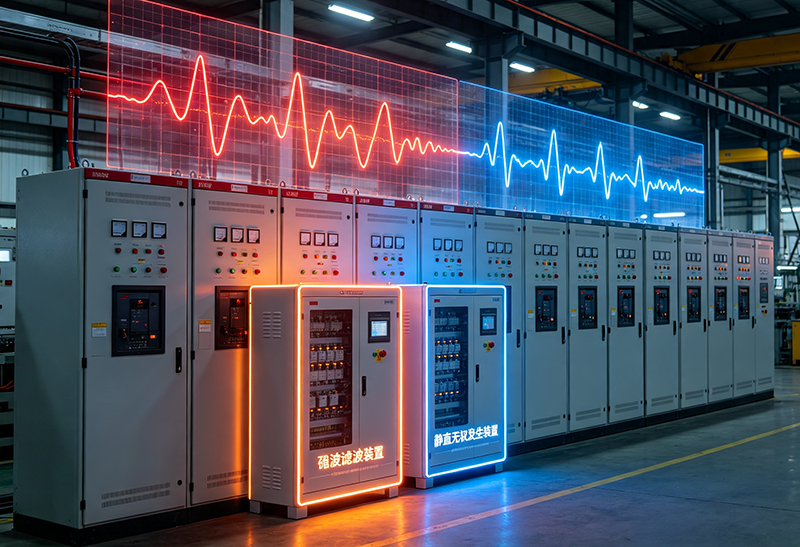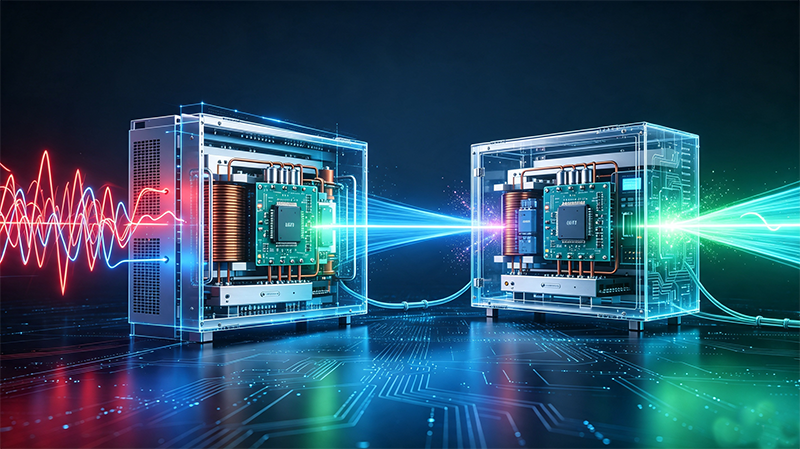
Em ambientes industriais modernos, manter alta qualidade de energia não é mais opcional – é fundamental. Como engenheiro elétrico sênior na CoEpower, Vi em primeira mão como a distorção harmônica pode atrapalhar as operações, danificar equipamentos sensíveis, e aumentar os custos operacionais.
Duas das soluções mais utilizadas para mitigação de harmônicas são as Filtro harmônico ativo (Ahf) e o Filtro de Supressão Harmônica (HSF) (comumente chamados de filtros harmônicos passivos). Embora ambos visem reduzir a distorção harmônica, eles operam de maneira diferente e são adequados para diferentes aplicações.
Este artigo fornece uma visão abrangente, guia prático para ajudá-lo a escolher a solução certa para o seu sistema industrial.
O que são harmônicos e por que eles são importantes?
Harmônicos são distorções de tensão ou corrente em sistemas elétricos causadas principalmente por cargas não lineares, como:
- Unidades de frequência variáveis (Vfds)
- Retificadores e inversores
- Sistemas UPS
- Equipamentos de automação industrial
Essas distorções podem levar a:
- Superaquecimento de transformadores e cabos
- Aumento das perdas de energia
- Mau funcionamento ou falha do equipamento
- Penalidades por não conformidade com padrões como IEEE 519
O gerenciamento eficaz de harmônicos é essencial para garantir a confiabilidade e a eficiência do sistema.
O que é um filtro harmônico ativo?
Um filtro harmônico ativo (Ahf) é um dispositivo eletrônico avançado que detecta e compensa dinamicamente correntes harmônicas em tempo real.
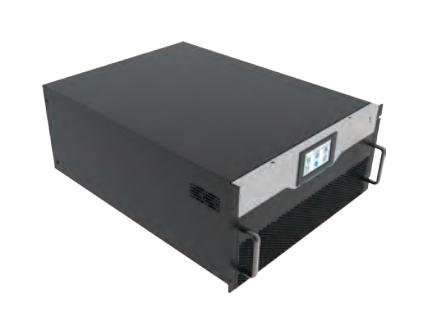
Principais recursos do AHF:
- Compensação harmônica em tempo real
- Adaptável às mudanças de carregamento
- Capaz de filtrar múltiplas ordens harmônicas simultaneamente
- Também melhora o fator de potência e equilibra as cargas
Como funciona:
AHFs usam eletrônica de potência (Conversores baseados em IGBT) para injetar correntes neutralizantes no sistema, efetivamente cancelando harmônicos.
O que é um filtro de supressão harmônica?
Um filtro de supressão harmônica (HSF), normalmente um filtro passivo, é projetado usando combinações de capacitores, Indutores, e resistores sintonizados em frequências harmônicas específicas.
Principais recursos do HSF:
- Compensação fixa para ordens harmônicas específicas
- Custo inicial mais baixo em comparação com AHFs
- Estrutura e operação simples
Como funciona:
HSFs fornecem caminhos de baixa impedância para frequências harmônicas específicas, desviando-os para longe do sistema de energia.
Filtro Harmônico Ativo vs Filtro de Supressão Harmônica: Principais diferenças
| Recurso | Filtro harmônico ativo | Filtro de supressão harmônica |
|---|---|---|
| Princípio de trabalho | Compensação dinâmica em tempo real | Sintonia de frequência fixa |
| Flexibilidade | Alto (se adapta às mudanças de carga) | Baixo (projetado para harmônicos específicos) |
| Cobertura Harmônica | Ampla gama (vários pedidos) | Limitado a frequências sintonizadas |
| Instalação | Mais complexo | Mais simples |
| Custo | Maior investimento inicial | Menor custo inicial |
| Risco de ressonância | Nenhum | Possíveis problemas de ressonância |
| Correção do fator de potência | Sim (multifuncional) | Limitado |
Quando você deve escolher um filtro harmônico ativo?
Da minha experiência em engenharia, AHFs são a melhor escolha nos seguintes cenários:
1. Cargas Altamente Variáveis
Indústrias como manufatura, mineração, e os data centers geralmente enfrentam cargas flutuantes. AHFs se adaptam em tempo real, tornando-os ideais.
2. Requisitos rigorosos de qualidade de energia
Se a sua instalação deve estar em conformidade com o IEEE 519 ou padrões semelhantes, AHFs fornecem controle harmônico preciso.
3. Perfis Harmônicos Complexos
Quando múltiplas frequências harmônicas estão presentes, AHFs superam filtros passivos significativamente.
4. Necessidade de multifuncionalidade
AHFs podem:
- Compensar harmônicos
- Fator de potência correto
- Equilibre cargas trifásicas
Isso os torna uma solução abrangente.
Quando você deve escolher um filtro de supressão harmônica?
HSFs (filtros passivos) ainda têm seu lugar em sistemas industriais, especialmente nestes casos:
1. Cargas estáveis e previsíveis
Se o seu sistema opera sob condições consistentes com frequências harmônicas conhecidas, filtros passivos podem ser eficazes.
2. Restrições orçamentárias
HSFs são mais econômicos antecipadamente, tornando-os adequados para projetos com orçamentos limitados.
3. Aplicações Simples
Para sistemas com harmônico dominante (Por exemplo, 5º ou 7º), um filtro passivo sintonizado pode funcionar bem.
Considerações de custo: Investimento inicial versus investimento de longo prazo
Uma das perguntas mais comuns que recebo dos clientes é:
“Qual solução é mais econômica?”
Filtro harmônico ativo:
- Custo inicial mais alto
- Menor manutenção
- Economia de energia ao longo do tempo
- Risco reduzido de falha do equipamento
Filtro de supressão harmônica:
- Menor custo inicial
- Potenciais custos ocultos (ressonância, desafinando, ineficiência)
- Pode exigir redesenho se as condições do sistema mudarem
Visão de engenharia:
Embora os AHFs possam parecer caros inicialmente, eles geralmente oferecem melhor ROI em ambientes industriais dinâmicos.
Comparação de desempenho e confiabilidade
Filtro harmônico ativo:
- Desempenho consistente sob cargas variadas
- Sem problemas de desafinação
- Alta confiabilidade em sistemas complexos
Filtro de supressão harmônica:
- O desempenho depende muito da estabilidade do sistema
- Suscetível a ressonância e sobrecarga
- A eficiência diminui se os parâmetros do sistema mudarem
Aplicações Industriais Típicas
Aplicações de filtros harmônicos ativos:
- Data centers
- Plantas de aço
- Fabricação automotiva
- Sistemas de energia renovável (solar/vento)
- Hospitais e instalações críticas
Aplicações de filtros de supressão harmônica:
- Fábricas de cimento
- Instalações de tratamento de água
- Sistemas HVAC
- Aplicações de motores de velocidade fixa
Soluções Híbridas: O melhor de dois mundos?
Em alguns casos, combinar ambas as tecnologias fornece resultados ideais.
Um sistema híbrido pode usar:
- Filtros passivos para redução harmônica em massa
- Filtros ativos para ajuste fino e compensação dinâmica
Esta abordagem equilibra custo e desempenho de forma eficaz.
Lista de verificação prática de seleção
Ao escolher entre um Filtro Harmônico Ativo e um Filtro de Supressão Harmônica, considere o seguinte:
- Variabilidade de carga (estável vs dinâmico)
- Complexidade do espectro harmônico
- Requisitos de conformidade (IEEE 519, Padrões IEC)
- Orçamento (custo inicial versus custo do ciclo de vida)
- Restrições de espaço e instalação
- Planos futuros de expansão do sistema
Conclusão
Escolher entre um Filtro Ativo de Harmônicos e um Filtro de Supressão de Harmônicos não é simplesmente uma decisão técnica – é um investimento estratégico na eficiência da sua instalação, confiabilidade, e conformidade.
Da minha experiência na CoEpower, a regra geral é:
- Escolha Filtros Harmônicos Ativos para dinâmica, complexo, e sistemas de alto desempenho
- Escolha filtros de supressão harmônica para estabilidade, previsível, e aplicações sensíveis ao custo
Se o seu sistema está evoluindo ou espera-se que seja escalonado, investir em um AHF quase sempre proporcionará maior valor a longo prazo.
Sobre CoEpower
Na CoEpower, somos especializados em soluções avançadas de qualidade de energia, incluindo filtros ativos de harmônicas e sistemas de mitigação de harmônicas personalizados adaptados às necessidades industriais.
Se você não tiver certeza de qual solução é ideal para sua aplicação, consultar engenheiros experientes pode economizar tempo e custos a longo prazo.
Tags: Filtro harmônico ativo, Filtro de supressão harmônica, Mitigação harmônica, soluções de qualidade de energia, sistemas de energia industriais, filtro de distorção harmônica, AHF vs filtro passivo, soluções de filtragem harmônica, fornecedores, Fabricantes, fábrica, empresa, China, atacado, comprar, preço, cotação, volume, à venda, empresas, estoque, custo.