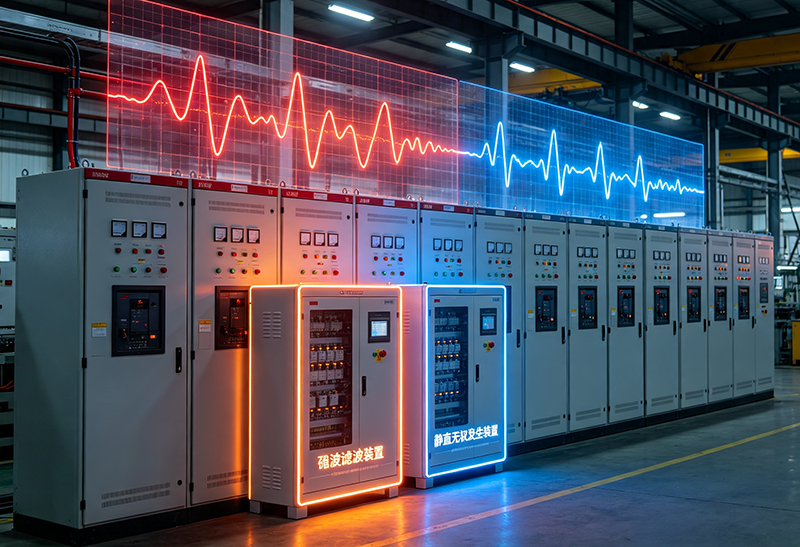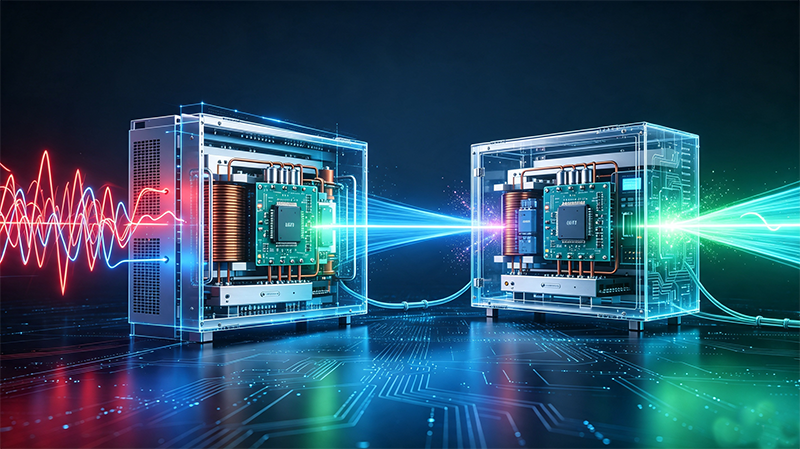
Quando os engenheiros pesquisam “STATCOM vs SVG,”eles muitas vezes encontram explicações conflitantes. Alguns artigos dizem que são idênticos. Outros os tratam como tecnologias completamente diferentes. Em sistemas de energia do mundo real, a resposta é mais matizada.
Como engenheiro sênior de qualidade de energia na CoEpower, Trabalhei em projetos de compensação de energia reativa em usinas de energia renovável, fábricas industriais, subestações, Mills de aço, operações de mineração, e centros de dados. Uma das perguntas mais comuns de empreiteiros de EPC e consultores elétricos é:
“Devemos usar STATCOM ou SVG para este projeto?”
Este artigo explica as diferenças práticas de engenharia entre STATCOM e SVG, incluindo princípios operacionais, velocidade de resposta, capacidade de suporte de tensão, desempenho harmônico, considerações de custo, e aplicações industriais.
O que é STATCOM?
UM STATCOM (Compensador síncrono estático) é um FACTS de alto desempenho (Sistema de transmissão CA flexível) dispositivo usado para fornecer compensação dinâmica de potência reativa e regulação de tensão em redes elétricas.
Os sistemas STATCOM normalmente usam:
- Conversor de fonte de tensão (VSC)
- Módulos de potência IGBT
- Banco de capacitores CC
- Algoritmos de controle digital avançados
- Transformador de acoplamento
O principal objetivo de um STATCOM é:
- Estabilizar a tensão da rede
- Melhorar o fator de potência
- Mitigar oscilação de tensão
- Apoiar a integração de energias renováveis
- Melhorar a estabilidade transitória
- Fornece compensação rápida de energia reativa
O princípio da troca de potência reativa pode ser simplificado como:
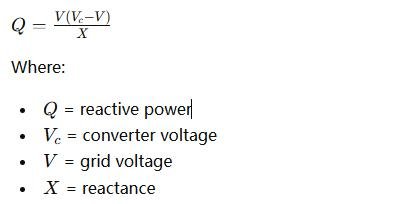
Quando a tensão do conversor excede a tensão do sistema, a energia reativa capacitiva é injetada na rede. Quando é mais baixo, a potência reativa indutiva é absorvida.
O que é SVG?
SVG significa Gerador de Var Estático.
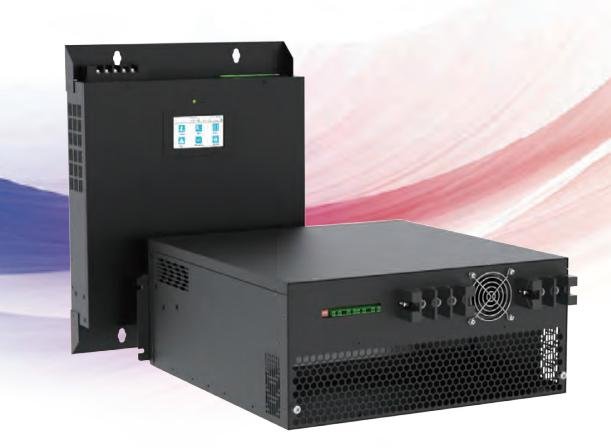
Em muitos mercados industriais, especialmente na Ásia e em aplicações de qualidade de energia de baixa tensão, SVG refere-se a um dispositivo dinâmico de compensação de potência reativa baseado na mesma tecnologia VSC usada em sistemas STATCOM.
Os sistemas SVG são amplamente utilizados para:
- Correção do fator de potência
- Compensação de energia reativa
- Supressão harmônica
- Correção de desequilíbrio trifásico
- Otimização da eficiência energética
Na terminologia industrial prática:
- STATCOM é comumente associado a aplicações de média tensão e nível de transmissão.
- SVG é comumente associado a sistemas de compensação industrial de baixa tensão.
No entanto, tecnicamente, ambos os dispositivos compartilham princípios básicos extremamente semelhantes.
STATCOM versus SVG: Diferença Central
A maior confusão online é que muitos sites simplificam demais o relacionamento.
Aqui está a realidade da engenharia:
| Recurso | STATCOM | Svg |
|---|---|---|
| Nome completo | Compensador síncrono estático | Gerador Var estático |
| Nível de tensão típico | Médio & Alta tensão | Baixo & Média Tensão |
| Aplicação principal | Estabilidade da rede & regulação da tensão | Correção do fator de potência industrial |
| Tecnologia | Baseado em VSC | Baseado em VSC |
| Velocidade de resposta | Extremamente rápido | Extremamente rápido |
| Suporte de Tensão Dinâmica | Forte | Moderado a forte |
| Compensação Harmônica | Capacidade avançada | Comumente integrado |
| Instalação Típica | Subestações de serviços públicos, plantas renováveis | Fábricas, edifícios comerciais |
| Complexidade do sistema | Mais alto | Mais baixo |
| Custo | Mais alto | Mais econômico |
Muitos fabricantes usam os termos de forma intercambiável porque ambos dependem de eletrônica de potência e injeção de potência reativa em tempo real..
Do ponto de vista da engenharia:
- STATCOM concentra-se mais na estabilidade dinâmica da rede
- SVG se concentra mais na compensação de potência reativa industrial
Por que os bancos de capacitores tradicionais não são mais suficientes
Bancos de capacitores convencionais ainda existem em muitas fábricas, mas as cargas não lineares modernas criam novos desafios de qualidade de energia:
- Unidades de frequência variáveis (Vfds)
- Fornos elétricos a arco
- Motores grandes
- Equipamento CNC
- Data centers
- Estações de carregamento de EV
- Inversores solares
- Conversores de turbinas eólicas
Essas cargas produzem:
- Harmônicos
- Flutuações de tensão
- Mudanças rápidas de potência reativa
- Cintilação
- Desequilíbrio trifásico
Os bancos de capacitores tradicionais não conseguem responder com rapidez suficiente.
Resposta típica de comutação de capacitores:
- 5–20 segundos
Resposta típica SVG/STATCOM:
- Menor que 10 milissegundos
Essa diferença de velocidade é crítica nas redes inteligentes modernas e nos processos industriais de alta velocidade.
STATCOM vs SVG em Sistemas de Energia Renovável
A energia renovável é uma das aplicações de crescimento mais rápido para a tecnologia STATCOM.
Parques solares e parques eólicos criam condições instáveis de energia reativa porque a geração muda continuamente.
STATCOM ajuda por:
- Apoiando redes fracas
- Estabilizando a tensão do PCC
- Atendendo aos códigos da rede de serviços públicos
- Reduzindo flutuações de tensão
- Melhorando o passeio de baixa tensão (LVRT)
Para grandes usinas renováveis em grande escala, STATCOM é frequentemente obrigatório.
Os sistemas SVG são mais comuns em:
- Solar para telhado comercial
- Sistemas fotovoltaicos industriais
- Projetos de geração distribuída
Capacidade de mitigação harmônica
Os sistemas SVG modernos geralmente incluem funções de compensação harmônica.
Isso permite que eles forneçam simultaneamente:
- Compensação de energia reativa
- Filtragem harmônica
- Balanceamento de carga
Em muitas aplicações de baixa tensão, Unidades SVG são integradas com:
- Filtros harmônicos ativos (Ahf)
- Módulos APF
- Sistemas de compensação híbridos
Os sistemas STATCOM também podem mitigar harmônicos, especialmente em instalações avançadas em escala de utilidade.
Tempo de resposta STATCOM vs SVG
Uma das vantagens de engenharia mais importantes é a velocidade de resposta dinâmica.
resposta<10EM
Esta compensação ultrarrápida permite:
- Partida estável do motor
- Afundamento de tensão reduzido
- Supressão de cintilação
- Melhor estabilidade do sistema de soldagem
- Melhor operação do guindaste
- Desempenho estável do forno a arco
Isto é especialmente importante em:
- Plantas de aço
- Instalações de mineração
- Equipamento portuário
- Indústrias petroquímicas
O que é melhor: STATCOM ou SVG?
A pergunta correta não é “O que é melhor?”
A verdadeira questão da engenharia é:
“O que é melhor para sua aplicação?”
Escolha STATCOM se precisar:
- Regulação de tensão em escala de utilidade
- Apoio à rede de transmissão
- Integração de energia renovável
- Estabilização dinâmica da rede
- Compensação de média/alta tensão
- Suporte de rede fraco
Escolha SVG se precisar:
- Correção do fator de potência industrial
- Compensação rápida de potência reativa
- Melhoria da eficiência energética da fábrica
- Mitigação harmônica
- Compensação reativa de baixa tensão
- Menor custo do projeto
Aplicações típicas de sistemas SVG
SVG é amplamente utilizado em:
- Fábricas
- Fábricas de semicondutores
- Data centers
- Hospitais
- Edifícios comerciais
- Sistemas ferroviários metropolitanos
- Infraestrutura de carregamento de veículos elétricos
- Instalações de tratamento de água
Estas aplicações requerem:
- Fator de potência estável
- Penalidades de serviços públicos reduzidas
- Menores perdas do transformador
- Melhor eficiência do sistema
Aplicações típicas de sistemas STATCOM
STATCOM é mais comum em:
- Subestações de serviços públicos
- Parques eólicos
- Usinas de energia solar
- Sistemas HVDC
- Sistemas de tração ferroviária
- Grades de mineração
- Redes de transmissão
Esses aplicativos priorizam:
- Estabilidade de tensão
- Resiliência da rede
- Suporte reativo dinâmico
- Capacidade de passagem de falhas
Comparação de custos STATCOM vs SVG
O custo depende muito:
- Nível de tensão
- Capacidade de compensação
- Requisitos harmônicos
- Ambiente de instalação
- Método de resfriamento
- Projeto de redundância
Geralmente:
- Os sistemas SVG são mais econômicos para projetos industriais de baixa tensão
- Os sistemas STATCOM são mais caros devido à infraestrutura de média/alta tensão
No entanto, economias no ciclo de vida devido à redução de perdas de energia e penalidades de fator de potência podem proporcionar um rápido ROI.
Tendência Futura: Convergência SVG e STATCOM
A linha entre SVG e STATCOM está se tornando cada vez mais tênue.
Os sistemas modernos agora combinam:
- Compensação reativa
- Filtragem harmônica
- Integração de armazenamento de energia
- Gerenciamento de qualidade de energia baseado em IA
- Análise de grade em tempo real
Muitos fabricantes agora comercializam produtos STATCOM de baixa tensão como sistemas SVG e vice-versa.
A tecnologia subjacente está convergindo para a inteligência, digital, plataformas de qualidade de energia de alta velocidade.
Considerações finais de um engenheiro CoEpower
Após anos de experiência em engenharia de campo, aqui está a explicação mais simples:
- STATCOM é normalmente a solução em nível de rede
- SVG é normalmente a solução de nível industrial
Ambos usam eletrônica de potência avançada para resolver problemas de potência reativa de forma muito mais eficaz do que os bancos de capacitores tradicionais..
Se o seu projeto envolve:
- Cargas que mudam rapidamente
- Energia renovável
- Harmônicos
- Instabilidade de tensão
- Fator de potência ruim
Então a tecnologia SVG ou STATCOM é provavelmente a direção certa.
Na CoEpower, ajudamos empreiteiros EPC, utilitários, e instalações industriais selecionam a solução ideal de compensação de energia reativa com base em condições operacionais reais - e não na terminologia de marketing.
Perguntas frequentes
SVG é o mesmo que STATCOM?
Tecnicamente, ambos usam tecnologia semelhante de compensação reativa baseada em VSC. No entanto, SVG é comumente usado para aplicações industriais de baixa tensão, enquanto o STATCOM está mais associado a sistemas de utilidade pública e de média/alta tensão.
O que responde mais rápido: banco de capacitores ou SVG?
Os sistemas SVG respondem em milissegundos, enquanto os bancos de capacitores podem exigir vários segundos.
O SVG pode reduzir harmônicos??
Sim. Muitos sistemas SVG modernos incluem capacidade de compensação harmônica.
Por que o STATCOM é usado em usinas solares?
STATCOM fornece suporte de tensão dinâmica e ajuda usinas renováveis a cumprir os requisitos do código de rede.
SVG melhora o fator de potência?
Sim. Os sistemas SVG compensam dinamicamente a potência reativa para manter o fator de potência próximo da unidade.
Tags: statcom vs svg, significado de statuscom, SVG elétrico, Gerador Var estático, compensador síncrono estático, compensação de energia reativa, Correção do fator de potência, princípio de funcionamento do statcom, SVG vs banco de capacitores, compensação reativa dinâmica, solução SVG industrial, statcom de média tensão, solução de qualidade de energia, Mitigação harmônica, estabilização de tensão, fornecedores, Fabricantes, fábrica, empresa, China, atacado, comprar, preço, cotação, volume, à venda, empresas, estoque, custo.