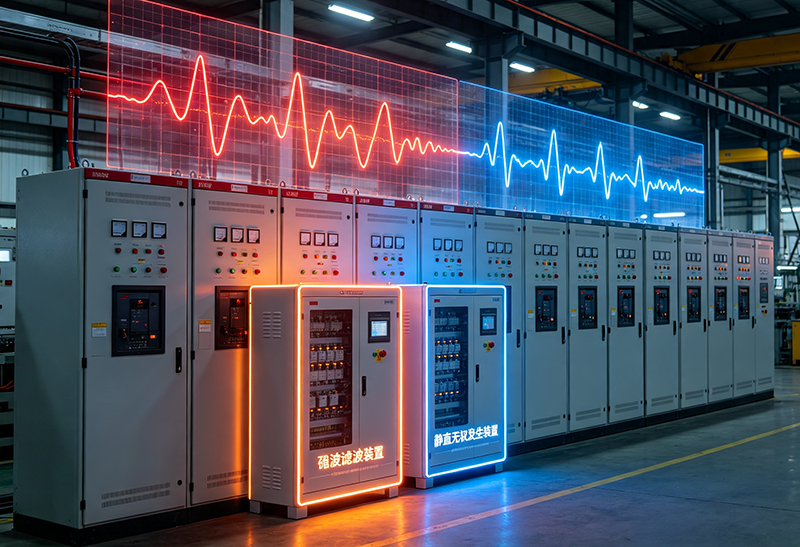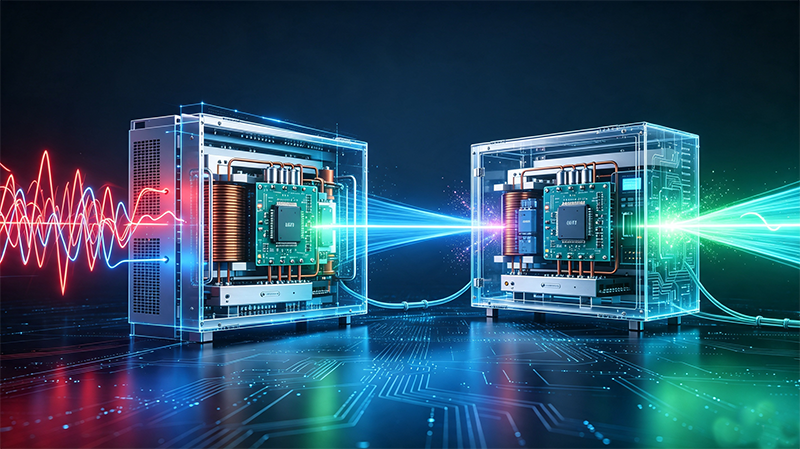
Modern endüstriyel ortamlarda, Yüksek güç kalitesini korumak artık isteğe bağlı değil; kritik önem taşıyor. CoEpower'da kıdemli elektrik mühendisi olarak, Harmonik distorsiyonun operasyonları nasıl aksatabileceğini ilk elden gördüm, hasara duyarlı ekipmanlar, ve operasyonel maliyetleri artırın.
Harmonik azaltımı için en yaygın kullanılan çözümlerden ikisi Aktif harmonik filtre (AHF) ve Harmonik Bastırma Filtresi (HSF) (genellikle pasif harmonik filtreler olarak anılır). Her ikisi de harmonik bozulmayı azaltmayı hedeflerken, farklı çalışırlar ve farklı uygulamalara uygundurlar.
Bu makale kapsamlı bir bilgi sağlar, Endüstriyel sisteminiz için doğru çözümü seçmenize yardımcı olacak pratik kılavuz.
Harmonikler Nedir ve Neden Önemlidir??
Harmonikler, elektrik sistemlerinde öncelikle doğrusal olmayan yüklerin neden olduğu voltaj veya akım bozulmalarıdır.:
- Değişken frekans sürücüleri (VFD'ler)
- Doğrultucular ve invertörler
- UPS Sistemleri
- Endüstriyel otomasyon ekipmanları
Bu çarpıklıklar şunlara yol açabilir::
- Transformatörlerin ve kabloların aşırı ısınması
- Artan enerji kayıpları
- Ekipman arızası veya arızası
- IEEE gibi standartlara uymamanın cezaları 519
Harmoniklerin etkili bir şekilde yönetilmesi, sistem güvenilirliğinin ve verimliliğinin sağlanması için önemlidir.
Aktif harmonik filtre nedir?
Aktif bir harmonik filtre (AHF) Harmonik akımları gerçek zamanlı olarak dinamik olarak algılayan ve telafi eden gelişmiş bir elektronik cihazdır..
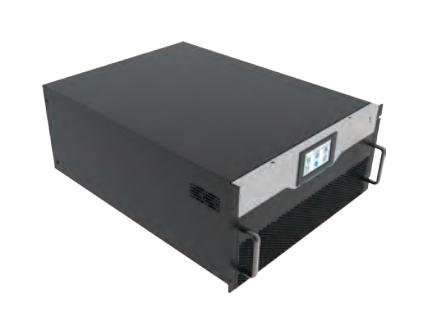
AHF'nin Temel Özellikleri:
- Gerçek zamanlı harmonik telafisi
- Yük değişikliklerine uyarlanabilir
- Aynı anda birden fazla harmonik sırayı filtreleyebilme
- Ayrıca güç faktörünü iyileştirir ve yükleri dengeler
Nasıl Çalışır?:
AHF'ler güç elektroniği kullanır (IGBT tabanlı dönüştürücüler) sisteme karşıt akımları enjekte etmek, Harmonikleri etkili bir şekilde iptal etmek.
Harmonik Bastırma Filtresi Nedir??
Harmonik Bastırma Filtresi (HSF), tipik olarak pasif bir filtre, kapasitör kombinasyonları kullanılarak tasarlanmıştır, indüktörler, ve belirli harmonik frekanslara ayarlanmış dirençler.
HSF'nin Temel Özellikleri:
- Belirli harmonik siparişler için sabit kompanzasyon
- AHF'lere kıyasla daha düşük başlangıç maliyeti
- Basit yapı ve operasyon
Nasıl Çalışır?:
HSF'ler hedeflenen harmonik frekanslar için düşük empedanslı yollar sağlar, onları güç sisteminden uzaklaştırmak.
Aktif Harmonik Filtre ve Harmonik Bastırma Filtresi: Temel Farklılıklar
| Özellik | Aktif harmonik filtre | Harmonik Bastırma Filtresi |
|---|---|---|
| Çalışma prensibi | Gerçek zamanlı dinamik telafi | Sabit frekans ayarı |
| Esneklik | Yüksek (yük değişikliklerine uyum sağlar) | Düşük (belirli harmonikler için tasarlanmıştır) |
| Harmonik Kapsama | Geniş aralık (birden fazla sipariş) | Ayarlanmış frekanslarla sınırlıdır |
| Kurulum | Daha karmaşık | Daha basit |
| Maliyet | Daha yüksek ilk yatırım | Daha düşük ön maliyet |
| Rezonans Riski | Hiçbiri | Olası rezonans sorunları |
| Güç faktörü düzeltmesi | Evet (çok fonksiyonlu) | Sınırlı |
Aktif Harmonik Filtreyi Ne Zaman Seçmelisiniz??
Mühendislik deneyimimden, AHF'ler aşağıdaki senaryolarda en iyi seçimdir:
1. Son Derece Değişken Yükler
İmalat gibi endüstriler, madencilik, ve veri merkezlerinde sıklıkla dalgalanan yüklerle karşılaşılır. AHF'ler gerçek zamanlı olarak uyum sağlar, onları ideal kılmak.
2. Sıkı Güç Kalitesi Gereksinimleri
Tesisinizin IEEE ile uyumlu olması gerekiyorsa 519 veya benzer standartlar, AHF'ler hassas harmonik kontrol sağlar.
3. Karmaşık Harmonik Profiller
Çoklu harmonik frekanslar mevcut olduğunda, AHF'ler pasif filtrelerden önemli ölçüde daha iyi performans gösteriyor.
4. Çok Fonksiyonluluk İhtiyacı
AHF'ler şunları yapabilir::
- Harmonikleri telafi et
- Doğru güç faktörü
- Üç fazlı yükleri dengeleyin
Bu onları kapsamlı bir çözüm haline getiriyor.
Harmonik Bastırma Filtresini Ne Zaman Seçmelisiniz??
HSF'ler (pasif filtreler) endüstriyel sistemlerde hala yeri var, özellikle bu durumlarda:
1. Kararlı ve Öngörülebilir Yükler
Sisteminiz bilinen harmonik frekanslarla tutarlı koşullar altında çalışıyorsa, pasif filtreler etkili olabilir.
2. Bütçe Kısıtlamaları
HSF'ler başlangıçta daha uygun maliyetlidir, sınırlı bütçeli projelere uygun hale getirilmesi.
3. Basit Uygulamalar
Baskın harmoniğe sahip sistemler için (Örn., 53. veya 7.), ayarlanmış bir pasif filtre iyi çalışabilir.
Maliyet Hususları: İlk ve Uzun Vadeli Yatırım Karşılaştırması
Müşterilerden aldığım en yaygın sorulardan biri:
“Hangi çözüm daha uygun maliyetli??”
Aktif harmonik filtre:
- Daha yüksek ön maliyet
- Daha az bakım
- Zamanla enerji tasarrufu
- Ekipman arızası riskinin azalması
Harmonik Bastırma Filtresi:
- Daha düşük başlangıç maliyeti
- Potansiyel gizli maliyetler (rezonans, akordu bozmak, verimsizlik)
- Sistem koşulları değişirse yeniden tasarım gerektirebilir
Mühendislik Anlayışı:
AHF'ler başlangıçta pahalı görünse de, dinamik endüstriyel ortamlarda genellikle daha iyi yatırım getirisi sağlarlar.
Performans ve Güvenilirlik Karşılaştırması
Aktif harmonik filtre:
- Değişen yükler altında tutarlı performans
- Ayarlama sorunu yok
- Karmaşık sistemlerde yüksek güvenilirlik
Harmonik Bastırma Filtresi:
- Performans büyük ölçüde sistem kararlılığına bağlıdır
- Rezonansa ve aşırı yüke duyarlı
- Sistem parametreleri değişirse verimlilik düşer
Tipik Endüstriyel Uygulamalar
Aktif Harmonik Filtre Uygulamaları:
- Veri Merkezleri
- Çelik bitkiler
- Otomotiv üretimi
- Yenilenebilir enerji sistemleri (güneş/rüzgar)
- Hastaneler ve kritik tesisler
Harmonik Bastırma Filtresi Uygulamaları:
- Çimento tesisleri
- Su arıtma tesisleri
- HVAC sistemleri
- Sabit hızlı motor uygulamaları
Hibrit Çözümler: Her İki Dünyanın En İyisi?
Bazı durumlarda, her iki teknolojiyi birleştirmek en iyi sonuçları sağlar.
Hibrit bir sistem kullanabilir:
- Toplu harmonik azaltımı için pasif filtreler
- İnce ayar ve dinamik telafi için aktif filtreler
Bu yaklaşım, maliyet ve performansı etkili bir şekilde dengeler.
Pratik Seçim Kontrol Listesi
Aktif Harmonik Filtre ile Harmonik Bastırma Filtresi arasında seçim yaparken, aşağıdakileri göz önünde bulundurun:
- Yük değişkenliği (istikrarlı ve dinamik)
- Harmonik spektrum karmaşıklığı
- Uyumluluk gereksinimleri (IEEE 519, IEC standartları)
- Bütçe (başlangıç ve yaşam döngüsü maliyeti)
- Alan ve kurulum kısıtlamaları
- Gelecekteki sistem genişletme planları
Çözüm
Aktif Harmonik Filtre ile Harmonik Bastırma Filtresi arasında seçim yapmak yalnızca teknik bir karar değildir; tesisinizin verimliliğine yapılan stratejik bir yatırımdır, güvenilirlik, ve uyumluluk.
CoEpower'daki deneyimimden, genel kural şudur:
- Dinamik için Aktif Harmonik Filtreleri seçin, karmaşık, ve yüksek performanslı sistemler
- Kararlılık için Harmonik Bastırma Filtrelerini seçin, tahmin edilebilir, ve maliyete duyarlı uygulamalar
Sisteminiz gelişiyorsa veya ölçeklenmesi bekleniyorsa, AHF'ye yatırım yapmak neredeyse her zaman daha uzun vadeli değer sağlayacaktır.
CoEpower Hakkında
CoEpower'da, gelişmiş güç kalitesi çözümlerinde uzmanız, Aktif Harmonik Filtreler ve endüstriyel ihtiyaçlara göre özelleştirilmiş harmonik azaltma sistemleri dahil.
Uygulamanız için hangi çözümün doğru olduğundan emin değilseniz, deneyimli mühendislere danışmak uzun vadede hem zamandan hem de maliyetten tasarruf sağlayabilir.
Etiketler: Aktif harmonik filtre, Harmonik Bastırma Filtresi, harmonik hafifletme, Güç Kalitesi Çözümleri, endüstriyel güç sistemleri, harmonik bozulma filtresi, AHF ve pasif filtre, harmonik filtreleme çözümleri, Tedarikçiler, üreticiler, fabrika, şirket, Çin, toptan, satın almak, fiyat, alıntı yapmak, toplu, satılık, şirket, stoklamak, maliyet.