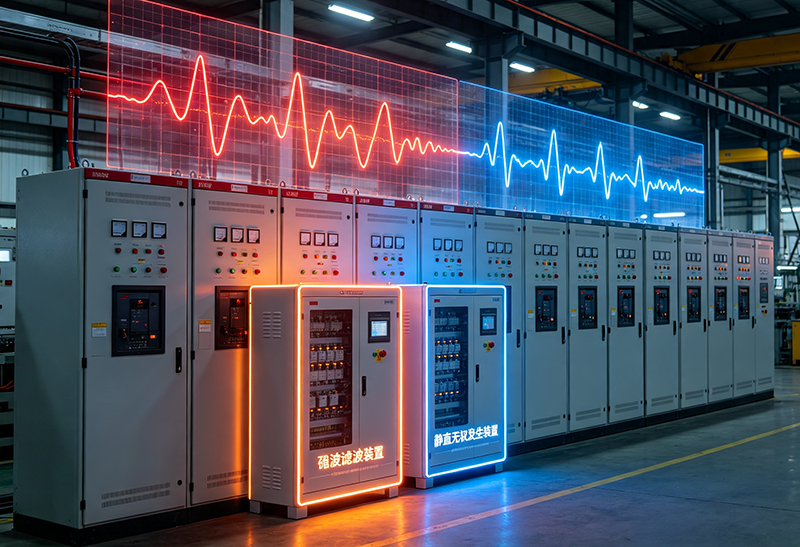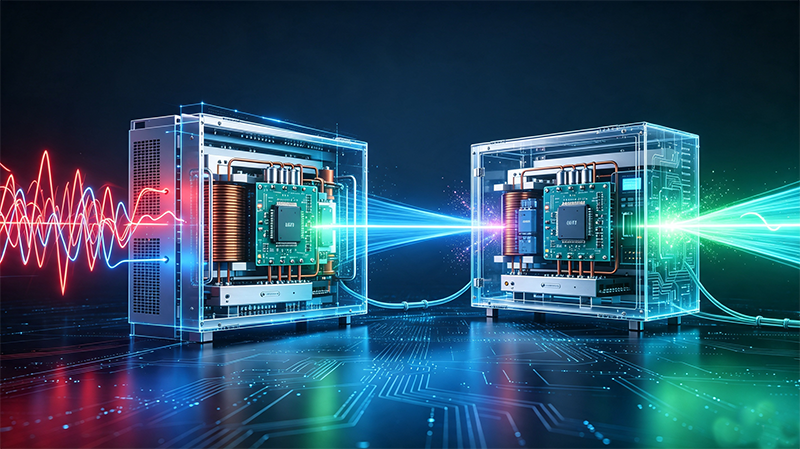
Mühendisler “STATCOM vs SVG” araması yaptığında,” sık sık çelişkili açıklamalarla karşılaşırlar. Bazı makaleler aynı olduklarını söylüyor. Diğerleri bunları tamamen farklı teknolojiler olarak görüyor. Gerçek dünyadaki güç sistemlerinde, cevap daha ayrıntılı.
CoEpower'da kıdemli bir güç kalitesi mühendisi olarak, Yenilenebilir enerji santrallerinde reaktif güç kompanzasyon projelerinde çalıştım, endüstriyel fabrikalar, trafo merkezleri, çelik fabrikaları, madencilik işlemleri, ve veri merkezleri. EPC yüklenicilerinin ve elektrik danışmanlarının en sık sorduğu sorulardan biri::
“Bu proje için STATCOM mu yoksa SVG mi kullanmalıyız??”
Bu makalede STATCOM ve SVG arasındaki pratik mühendislik farkları açıklanmaktadır, çalışma prensipleri dahil, tepki hızı, voltaj destek yeteneği, harmonik performans, maliyet hususları, ve endüstriyel uygulamalar.
STATCOM Nedir??
A Statcom (Statik senkron kompansatör) yüksek performanslı bir FACTS'tır (Esnek AC İletim Sistemi) Elektrik şebekelerinde dinamik reaktif güç kompanzasyonu ve voltaj regülasyonu sağlamak için kullanılan cihaz.
STATCOM sistemleri genellikle:
- Gerilim Kaynağı Dönüştürücü (VSC)
- IGBT güç modülleri
- DC kapasitör bankası
- Gelişmiş dijital kontrol algoritmaları
- Kaplin transformatörü
STATCOM'un temel amacı,:
- Şebeke voltajını stabilize edin
- Güç faktörünü geliştirin
- Gerilim titremesini azaltın
- Yenilenebilir enerji entegrasyonunu destekleyin
- Geçici stabiliteyi geliştirin
- Hızlı reaktif güç telafisi sağlayın
Reaktif güç değişimi prensibi şu şekilde basitleştirilebilir::
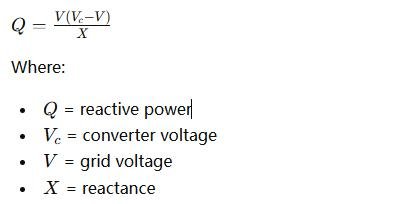
Dönüştürücü voltajı sistem voltajını aştığında, şebekeye kapasitif reaktif güç enjekte edilir. Daha düşük olduğunda, endüktif reaktif güç emilir.
SVG Nedir??
SVG, Statik Var Jeneratörü anlamına gelir.
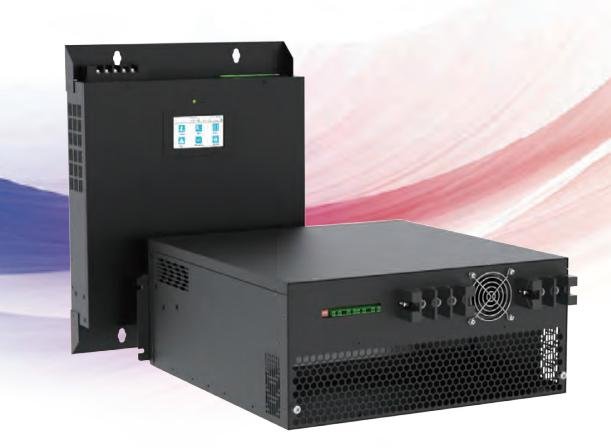
Birçok endüstriyel pazarda, özellikle Asya'da ve alçak gerilim güç kalitesi uygulamalarında, SVG, STATCOM sistemlerinde kullanılan VSC teknolojisinin aynısını temel alan dinamik reaktif güç kompanzasyon cihazını ifade eder..
SVG sistemleri yaygın olarak kullanılmaktadır:
- Güç faktörü düzeltmesi
- Reaktif güç telafisi
- Harmonik bastırma
- Üç fazlı dengesizlik düzeltmesi
- Enerji verimliliği optimizasyonu
Pratik endüstriyel terminolojide:
- STATCOM genellikle orta gerilim ve iletim seviyesi uygulamalarla ilişkilendirilir.
- SVG genellikle düşük voltajlı endüstriyel kompanzasyon sistemleriyle ilişkilendirilir.
Fakat, teknik olarak, her iki cihaz da son derece benzer temel ilkeleri paylaşıyor.
STATCOM ve SVG: Çekirdek Farkı
İnternetteki en büyük kafa karışıklığı, birçok web sitesinin ilişkiyi aşırı basitleştirmesidir.
İşte mühendislik gerçeği:
| Özellik | Statcom | SVG |
|---|---|---|
| Ad Soyad | Statik senkron kompansatör | Statik var jeneratörü |
| Tipik Gerilim Seviyesi | Orta & Yüksek Gerilim | Düşük & Orta Gerilim |
| Ana Uygulama | Şebeke kararlılığı & voltaj düzenlemesi | Endüstriyel güç faktörü düzeltmesi |
| Teknoloji | VSC tabanlı | VSC tabanlı |
| Tepki hızı | Son derece hızlı | Son derece hızlı |
| Dinamik Gerilim Desteği | Güçlü | Orta ila güçlü |
| Harmonik Kompanzasyon | Gelişmiş yetenek | Yaygın olarak entegre |
| Tipik Kurulum | Yardımcı trafo merkezleri, yenilenebilir bitkiler | Fabrikalar, ticari binalar |
| Sistem Karmaşıklığı | Daha yüksek | Daha düşük |
| Maliyet | Daha yüksek | Daha ekonomik |
Pek çok üretici bu terimleri birbirinin yerine kullanıyor çünkü her ikisi de güç elektroniği ve gerçek zamanlı reaktif güç enjeksiyonuna dayanıyor.
Mühendislik perspektifinden:
- STATCOM, şebeke dinamik istikrarına daha fazla odaklanıyor
- SVG daha çok endüstriyel reaktif güç kompanzasyonuna odaklanıyor
Geleneksel Kapasitör Bankaları Neden Artık Yeterli Değil?
Geleneksel kapasitör bankaları hala birçok fabrikada mevcut, ancak modern doğrusal olmayan yükler yeni güç kalitesi zorlukları yaratmaktadır:
- Değişken frekans sürücüleri (VFD'ler)
- Elektrik ark fırınları
- Büyük motorlar
- CNC ekipmanı
- Veri Merkezleri
- EV şarj istasyonları
- Güneş invertörleri
- Rüzgar türbini dönüştürücüler
Bu yükler üretir:
- Harmonics
- Gerilim dalgalanmaları
- Hızlı reaktif güç değişiklikleri
- Titreme
- Üç fazlı dengesizlik
Geleneksel kapasitör bankaları yeterince hızlı yanıt veremiyor.
Tipik kapasitör anahtarlama yanıtı:
- 5–20 saniye
Tipik SVG/STATCOM yanıtı:
- Daha az 10 milisaniye
Bu hız farkı, modern akıllı şebekelerde ve yüksek hızlı endüstriyel süreçlerde kritik öneme sahiptir.
Yenilenebilir Enerji Sistemlerinde STATCOM ve SVG Karşılaştırması
Yenilenebilir enerji, STATCOM teknolojisinin en hızlı büyüyen uygulamalarından biridir.
Güneş çiftlikleri ve rüzgar çiftlikleri, üretimin sürekli değişmesi nedeniyle istikrarsız reaktif güç koşulları yaratır.
STATCOM yardımcı oluyor:
- Zayıf ızgaraların desteklenmesi
- PCC voltajının dengelenmesi
- Hizmet şebekesi kodlarının karşılanması
- Gerilim dalgalanmalarının azaltılması
- Düşük voltajlı geçişin iyileştirilmesi (LVRT)
Büyük ölçekli yenilenebilir tesisler için, STATCOM genellikle zorunludur.
SVG sistemleri daha yaygındır:
- Ticari çatı üstü güneş enerjisi
- Endüstriyel PV sistemleri
- Dağıtık üretim projeleri
Harmonik Azaltma Yeteneği
Modern SVG sistemleri genellikle harmonik kompanzasyon fonksiyonlarını içerir.
Bu onların aynı anda sağlamalarına olanak tanır:
- Reaktif güç telafisi
- Harmonik filtreleme
- Yük dengeleme
Birçok alçak gerilim uygulamasında, SVG birimleri entegre edilmiştir:
- Aktif harmonik filtreler (AHF)
- APF modülleri
- Hibrit kompanzasyon sistemleri
STATCOM sistemleri harmonikleri de azaltabilir, özellikle gelişmiş şebeke ölçekli kurulumlarda.
STATCOM ve SVG Yanıt Süresi
En önemli mühendislik avantajlarından biri dinamik tepki hızıdır.
tepki<10MS
Bu ultra hızlı telafi,:
- Kararlı motor çalıştırma
- Azaltılmış voltaj düşüşü
- Titreşim bastırma
- Geliştirilmiş kaynak sistemi stabilitesi
- Daha iyi vinç operasyonu
- Kararlı ark ocağı performansı
Bu özellikle şu durumlarda önemlidir::
- Çelik bitkiler
- Madencilik tesisleri
- Liman ekipmanları
- Petrokimya endüstrileri
Hangisi Daha İyi: STATCOM veya SVG?
Doğru soru "Hangisi daha iyi" değil?”
Asıl mühendislik sorusu:
“Uygulamanız için hangisi daha iyi??”
İhtiyacınız varsa STATCOM'u seçin:
- Şebeke ölçeğinde voltaj regülasyonu
- İletim şebekesi desteği
- Yenilenebilir enerji entegrasyonu
- Dinamik ızgara stabilizasyonu
- Orta/yüksek voltaj kompanzasyonu
- Zayıf şebeke desteği
İhtiyacınız varsa SVG'yi seçin:
- Endüstriyel güç faktörü düzeltmesi
- Hızlı reaktif güç kompanzasyonu
- Fabrika enerji verimliliğinin iyileştirilmesi
- Harmonik hafifletme
- Düşük voltaj reaktif kompanzasyonu
- Daha düşük proje maliyeti
SVG Sistemlerinin Tipik Uygulamaları
SVG yaygın olarak kullanılmaktadır:
- Üretim tesisleri
- Yarı iletken fabrikaları
- Veri Merkezleri
- Hastaneler
- Ticari binalar
- Metro raylı sistemler
- EV şarj altyapısı
- Su arıtma tesisleri
Bu uygulamalar gerektirir:
- Kararlı güç faktörü
- Azaltılmış fayda cezaları
- Daha düşük trafo kayıpları
- Geliştirilmiş sistem verimliliği
STATCOM Sistemlerinin Tipik Uygulamaları
STATCOM daha yaygın:
- Yardımcı trafo merkezleri
- Rüzgar santralleri
- Güneş enerjisi santralleri
- HVDC sistemleri
- Demiryolu çekiş sistemleri
- Madencilik ızgaraları
- İletim ağları
Bu uygulamalar öncelik:
- Voltaj stabilitesi
- Izgara esnekliği
- Dinamik reaktif destek
- Arızadan kurtulma yeteneği
STATCOM ve SVG Maliyet Karşılaştırması
Maliyet büyük ölçüde bağlıdır:
- Gerilim seviyesi
- Tazminat kapasitesi
- Harmonik gereksinimler
- Kurulum ortamı
- Soğutma yöntemi
- Artıklık tasarımı
Genel olarak:
- SVG sistemleri endüstriyel alçak gerilim projeleri için daha ekonomiktir
- STATCOM sistemleri orta/yüksek gerilim altyapısından dolayı daha pahalıdır
Fakat, Azalan enerji kayıpları ve güç faktörü cezalarından elde edilen yaşam döngüsü tasarrufları, hızlı yatırım getirisi sağlayabilir.
Gelecek Trendi: SVG ve STATCOM Yakınsaması
SVG ile STATCOM arasındaki çizgi giderek bulanıklaşıyor.
Modern sistemler artık birleşiyor:
- Reaktif kompanzasyon
- Harmonik filtreleme
- Enerji depolama entegrasyonu
- Yapay zeka tabanlı güç kalitesi yönetimi
- Gerçek zamanlı şebeke analitiği
Birçok üretici artık düşük voltajlı STATCOM ürünlerini SVG sistemleri olarak pazarlamaktadır (veya bunun tersi de geçerlidir).
Temel teknoloji akıllı olmaya doğru yaklaşıyor, dijital, yüksek hızlı güç kalitesi platformları.
Bir CoEpower Mühendisinden Son Düşünceler
Yıllar süren saha mühendisliği deneyiminden sonra, işte en basit açıklama:
- STATCOM tipik olarak şebeke düzeyinde bir çözümdür
- SVG tipik olarak endüstriyel düzeyde bir çözümdür
Her ikisi de reaktif güç sorunlarını geleneksel kapasitör bankalarından çok daha etkili bir şekilde çözmek için gelişmiş güç elektroniği kullanıyor.
Projeniz şunları içeriyorsa:
- Hızlı değişen yükler
- Yenilenebilir enerji
- Harmonics
- Gerilim kararsızlığı
- Zayıf güç faktörü
O halde SVG veya STATCOM teknolojisi muhtemelen doğru yöndür.
CoEpower'da, EPC yüklenicilerine yardımcı oluyoruz, yardımcı programlar, ve endüstriyel tesisler, pazarlama terminolojisine göre değil, gerçek çalışma koşullarına göre en uygun reaktif güç kompanzasyon çözümünü seçerler.
SSS
SVG STATCOM ile aynı mıdır??
Teknik olarak, her ikisi de benzer VSC tabanlı reaktif dengeleme teknolojisini kullanıyor. Fakat, SVG, endüstriyel alçak gerilim uygulamalarında yaygın olarak kullanılır, STATCOM ise daha çok şebeke ve orta/yüksek gerilim sistemleriyle ilişkilidir..
Hangisi daha hızlı yanıt verir: kapasitör bankası veya SVG?
SVG sistemleri milisaniyeler içinde yanıt verir, kapasitör bankaları birkaç saniye gerektirebilirken.
SVG harmonikleri azaltabilir mi??
Evet. Birçok modern SVG sistemi harmonik dengeleme özelliği içerir.
STATCOM güneş santrallerinde neden kullanılır??
STATCOM, dinamik voltaj desteği sağlar ve yenilenebilir tesislerin şebeke yönetmeliği gerekliliklerine uymasına yardımcı olur.
SVG güç faktörünü iyileştirir mi??
Evet. SVG sistemleri, bire yakın güç faktörünü korumak için reaktif gücü dinamik olarak telafi eder.
Etiketler: statcom vs svg, statcom anlamı, svg elektrik, statik var jeneratörü, statik senkron kompansatör, reaktif güç telafisi, güç faktörü düzeltmesi, statcom'un çalışma prensibi, svg vs kapasitör bankası, dinamik reaktif kompanzasyon, endüstriyel svg çözümü, orta gerilim statcom, Güç Kalitesi Çözümü, harmonik hafifletme, voltaj stabilizasyonu, Tedarikçiler, üreticiler, fabrika, şirket, Çin, toptan, satın almak, fiyat, alıntı yapmak, toplu, satılık, şirket, stoklamak, maliyet.