Giới thiệu
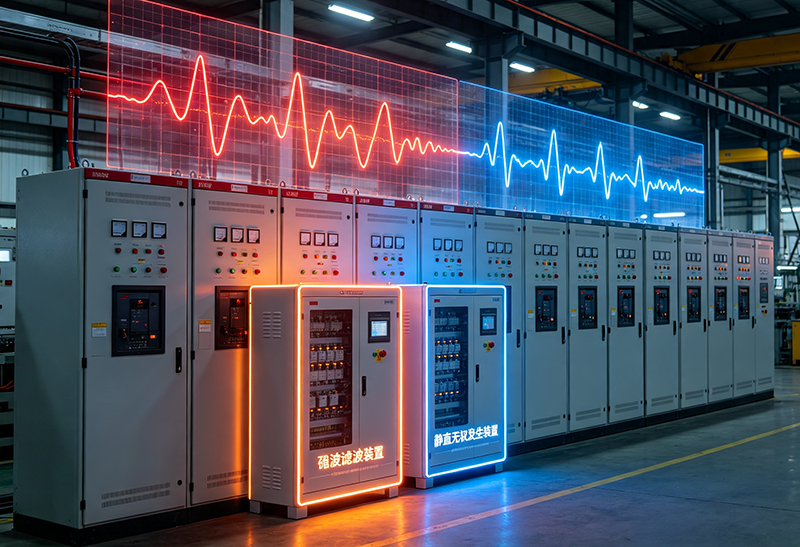
Trong các cơ sở công nghiệp hiện đại, Hiệu quả sử dụng năng lượng điện ngày càng trở nên quan trọng. Là kỹ sư điện cao cấp tại CoEpower, Tôi thường xuyên gặp phải những nhà máy gặp khó khăn với hệ số công suất thấp, tiêu thụ công suất phản kháng quá mức, hình phạt tiện ích, Biến động điện áp, và giảm hiệu quả hệ thống. Những vấn đề này không chỉ làm tăng chi phí điện mà còn ảnh hưởng đến độ tin cậy và tuổi thọ của các thiết bị quan trọng.
Một hệ thống bù công suất phản kháng được thiết kế tốt có thể cải thiện đáng kể chất lượng điện năng, giảm tổn thất năng lượng, tăng công suất hệ thống, và phí tiện ích thấp hơn. Cho dù bạn vận hành một nhà máy sản xuất, cơ sở khai thác mỏ, nhà máy thép, trạm xử lý nước, hoặc trung tâm dữ liệu, hiểu cách thiết kế một hệ thống bù công suất phản kháng hiệu quả là điều cần thiết.
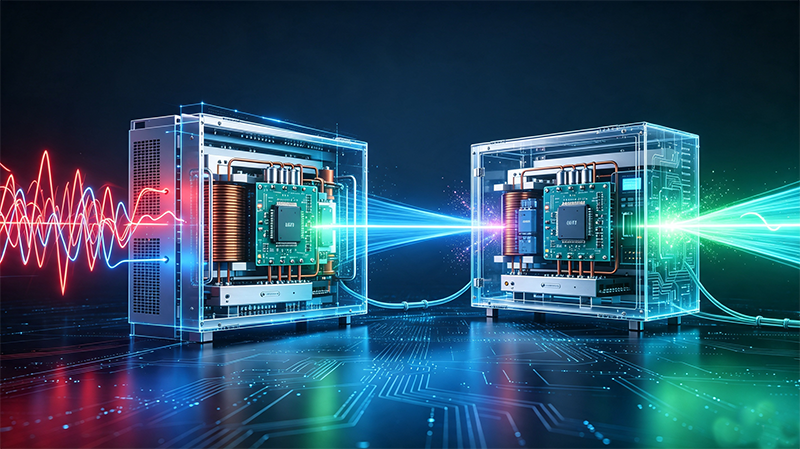
Bài viết này cung cấp hướng dẫn toàn diện về thiết kế hệ thống bù công suất phản kháng, bao gồm phân tích tải, lựa chọn thiết bị bồi thường, Giảm thiểu điều hòa, và các giải pháp hiện đại như Máy tạo var tĩnh (SVG).
Tìm hiểu công suất phản kháng trong các cơ sở công nghiệp
Trước khi thiết kế một hệ thống bồi thường, điều quan trọng là phải hiểu công suất phản kháng là gì.
Tải trọng công nghiệp như:
- Động cơ cảm ứng
- Máy biến áp
- Máy hàn
- Máy nén
- Ổ đĩa tần số biến (VFD)
- thiết bị HVAC
yêu cầu cả năng lượng hoạt động (kW) và công suất phản kháng (bên trái).
Năng lượng hoạt động thực hiện công việc hữu ích, trong khi công suất phản kháng hỗ trợ từ trường cần thiết cho hoạt động của thiết bị. Nhu cầu công suất phản kháng quá cao dẫn đến:
- Hệ số công suất thấp
- Dòng điện cao hơn
- Tăng tải máy biến áp
- Tổn hao cáp cao hơn
- Giảm điện áp
- Hình phạt hệ số công suất tiện ích
Mục tiêu của việc bù công suất phản kháng là cung cấp công suất phản kháng cần thiết tại địa phương thay vì lấy nó từ lưới điện..
Bước chân 1: Phân tích đặc điểm tải của nhà máy
Bước đầu tiên trong việc thiết kế hệ thống bù là tiến hành khảo sát chất lượng điện chi tiết.
Các thông số chính cần đo bao gồm:
Tổng công suất hoạt động (kW)
Xác định nhu cầu năng lượng tác dụng trung bình và cao điểm của nhà máy.
Hệ số công suất hiện tại
Đo lường:
- Hệ số công suất trung bình
- Hệ số công suất tải đỉnh
- Hệ số công suất tối thiểu
Hầu hết các tiện ích đều yêu cầu hệ số công suất trên 0.90 hoặc 0.95.
Nhu cầu công suất phản kháng (bên trái)
Ghi lại mức tiêu thụ công suất phản kháng trong các điều kiện vận hành khác nhau.
Biến dạng sóng hài
Đo lường:
- THDi (Sóng hài hiện tại)
- THDv (Sóng hài điện áp)
Bước này rất quan trọng vì sóng hài ảnh hưởng rất lớn đến việc lựa chọn thiết bị bù..
Tải biến thể
Đánh giá xem tải có:
- Không thay đổi
- Không liên tục
- Thay đổi nhanh chóng
Tải động thường yêu cầu công nghệ bù tiên tiến.
Bước chân 2: Xác định mục tiêu bồi thường
Các nhà máy khác nhau có mục tiêu khác nhau.
Các mục tiêu điển hình bao gồm:
Cải thiện hệ số công suất
Ví dụ:
PF hiện tại = 0.75
PF mục tiêu = 0.98
Giảm Hình phạt Tiện ích
Nhiều tiện ích tính phí phạt khi hệ số công suất giảm xuống dưới giới hạn hợp đồng.
Giải phóng công suất máy biến áp
Cải thiện hệ số công suất làm giảm nhu cầu hiện tại và tăng hiệu quả công suất máy biến áp sẵn có.
Ổn định điện áp
Bù công suất phản kháng giúp duy trì mức điện áp toàn nhà máy.
Cải thiện hiệu suất thiết bị
Điều chỉnh điện áp tốt hơn giúp nâng cao hiệu suất động cơ và độ tin cậy sản xuất.
Bước chân 3: Tính toán bù công suất phản kháng cần thiết
Khả năng bù cần thiết có thể được tính toán bằng cách sử dụng:
Qc = P × (tanφ1 − tanφ2)
Ở đâu:
- Qc = Khoản bồi thường bắt buộc (bên trái)
- P = Công suất hoạt động (kW)
- φ1 = Góc hệ số công suất hiện tại
- φ2 = Góc hệ số công suất mục tiêu
Ví dụ
Tải nhà máy:
- Công suất hoạt động = 1000 kW
- PF hiện tại = 0.75
- PF mục tiêu = 0.98
tanφ1 = 0.882
tanφ2 = 0.203
Qc = 1000 × (0.882 - 0.203)
Qc = 679 bên trái
Một hệ thống đền bù khoảng 680 kVAR là bắt buộc.
Trong thực tế, các kỹ sư thường thêm biên độ thiết kế từ 10%–20%.
Bước chân 4: Chọn công nghệ bù phù hợp
Một số công nghệ có sẵn để bù công suất phản kháng.
Ngân hàng tụ điện cố định
Thích hợp cho:
- Tải không đổi
- Điều kiện hoạt động ổn định
Thuận lợi:
- Chi phí thấp
- Cài đặt đơn giản
Hạn chế:
- Không có điều chỉnh tự động
- Nguy cơ bồi thường quá mức
Tự động hiệu chỉnh hệ số công suất (APFC) Ngân hàng tụ điện
Thích hợp cho:
- Tải trọng công nghiệp thay đổi
Thuận lợi:
- Tự động chuyển đổi
- Kiểm soát hệ số công suất tốt hơn
- Tiết kiệm chi phí
Ứng dụng:
- Nhà máy sản xuất
- Cơ sở xử lý nước
- Tòa nhà thương mại
Thyristor chuyển tụ điện (TSC)
Thích hợp cho:
- Tải thay đổi nhanh
Thuận lợi:
- Phản ứng nhanh
- Không chuyển đổi quá độ
Ứng dụng:
- Nhà máy hàn
- Nhà máy thép
- Máy cán
Trình tạo var tĩnh (SVG)
Công nghệ SVG đại diện cho giải pháp bù công suất phản kháng tiên tiến nhất hiện nay.
Thuận lợi:
Phản hồi nhanh
Thời gian đáp ứng thường ít hơn 10 mili giây.
Bồi thường chính xác
Liên tục điều chỉnh đầu ra dựa trên yêu cầu hệ thống.
Bù điện dung và cảm ứng
Khác với tụ điện truyền thống, SVG vừa có thể tạo và hấp thụ công suất phản kháng.
Hiệu suất tuyệt vời dưới tải thấp
Duy trì độ chính xác bù cao trong mọi điều kiện hoạt động.
Khả năng triệt tiêu sóng hài
Nhiều hệ thống SVG cung cấp các chức năng lọc sóng hài hạn chế.
Ứng dụng:
- Công nghiệp khai thác mỏ
- Trung tâm dữ liệu
- Nhà máy bán dẫn
- Hệ thống năng lượng tái tạo
- Cơ sở sản xuất công nghiệp
Tại CoEpower, Giải pháp SVG ngày càng trở thành lựa chọn ưu tiên cho các dự án hiệu chỉnh hệ số công suất công nghiệp hiện đại.
Bước chân 5: Xét điều kiện hài hòa
Hiện nay nhiều nhà máy sử dụng:
- Ổ đĩa tần số biến
- Hệ thống UPS
- Bộ chỉnh lưu
- Ổ đĩa servo
Những thiết bị này tạo ra sóng hài có thể làm hỏng dàn tụ điện.
Các vấn đề tiềm ẩn bao gồm:
- Tụ điện quá nóng
- cộng hưởng
- Lỗi thiết bị
- Máy biến áp quá nóng
Vì thế, phân tích hài hòa là cần thiết.
Khi có sóng hài
Ngân hàng tụ điện bị lệch
Lò phản ứng được thêm vào dãy tụ điện để tránh cộng hưởng.
Tần số điều chỉnh điển hình:
- 189 Hz
- 210 Hz
Được sử dụng rộng rãi trong các ứng dụng công nghiệp.
Bộ lọc hài hòa hoạt động (Ahf)
Đối với các cơ sở có độ méo sóng hài đáng kể, Bộ lọc sóng hài chủ động thường được khuyên dùng.
Những lợi ích:
- Loại bỏ sóng hài động
- Bồi thường công suất phản ứng
- Cải thiện chất lượng điện năng
SVG + Giải pháp lai AHF
Các nhà máy hiện đại thường triển khai:
- SVG để bù công suất phản kháng
- AHF để lọc sóng hài
Sự kết hợp này mang lại sự cải thiện chất lượng điện toàn diện.
Bước chân 6: Xác định vị trí lắp đặt đền bù
Bồi thường có thể được cài đặt ở các cấp độ khác nhau.
Bồi thường tập trung
Được lắp đặt tại bảng phân phối chính.
Thuận lợi:
- Chi phí đầu tư thấp hơn
- Bảo trì dễ dàng hơn
Tốt nhất cho:
- Các nhà máy vừa và nhỏ
Bồi thường nhóm
Được cài đặt tại các bảng phân phối phụ.
Thuận lợi:
- Hỗ trợ điện áp tốt hơn
- Giảm tổn thất trung chuyển
Tốt nhất cho:
- Cơ sở sản xuất lớn
Bồi thường cá nhân
Lắp đặt trực tiếp tại động cơ hoặc thiết bị.
Thuận lợi:
- Hiệu quả tối đa
Tốt nhất cho:
- Động cơ hoạt động liên tục lớn
Bước chân 7: Thiết kế hệ thống giám sát và điều khiển
Một hệ thống bồi thường hiện đại nên bao gồm:
Giám sát chất lượng điện
Màn hình:
- Hệ số công suất
- Điện áp
- Hiện hành
- Hài hòa
- Công suất phản kháng
Giao diện truyền thông
Các giao thức phổ biến bao gồm:
- Modbus RTU
- Modbus TCP
- Ethernet
Giám sát từ xa
Người vận hành nhà máy có thể giám sát hiệu suất hệ thống theo thời gian thực thông qua SCADA hoặc Hệ thống quản lý năng lượng (EMS).
Bước chân 8: Đánh giá các yêu cầu mở rộng trong tương lai
Một lỗi thiết kế phổ biến là kích thước hệ thống bù chỉ dành cho tải hiện tại.
Các nhà máy thường xuyên mở rộng năng lực sản xuất.
Các kỹ sư nên:
- Không gian bảng dự trữ
- Dự trữ năng lực liên lạc
- Thiết kế để tăng trưởng phụ tải trong tương lai từ 20%–30%
Điều này tránh việc nâng cấp tốn kém trong tương lai.
Những lỗi thiết kế phổ biến cần tránh
Bồi thường quá mức
Việc bù quá mức có thể tạo ra các vấn đề hàng đầu về hệ số công suất.
Bỏ qua sóng hài
Tụ điện được lắp đặt không có nghiên cứu sóng hài thường bị hỏng sớm.
Bồi thường quá mức
Bồi thường không đủ không đạt được hệ số công suất mục tiêu.
Chọn tụ điện truyền thống cho tải động
Biến động tải nhanh đòi hỏi công nghệ SVG hoặc TSC.
Thiếu giám sát
Không có sự giám sát, sự suy giảm hiệu suất có thể không được chú ý.
Tại sao công nghệ SVG lại trở thành giải pháp được ưa chuộng
Môi trường năng lượng công nghiệp đang thay đổi nhanh chóng.
Các nhà máy ngày càng sử dụng nhiều:
- Hệ thống tự động hóa
- Động cơ điều khiển VFD
- Người máy
- Tích hợp năng lượng tái tạo
Các dàn tụ điện truyền thống thường gặp khó khăn trong việc đáp ứng các yêu cầu đền bù hiện đại.
Ưu đãi máy phát điện Var tĩnh:
- Phản ứng tức thời
- Độ chính xác bù cao
- Không bồi thường quá mức
- Điều khiển công suất phản kháng hai chiều
- Khả năng tương thích với môi trường giàu hài hòa
Kết quả là, Công nghệ SVG đã trở thành giải pháp ưu tiên cho nhiều dự án chất lượng điện công nghiệp trên toàn thế giới.
Phần kết luận
Thiết kế một hệ thống bù công suất phản kháng hiệu quả đòi hỏi sự hiểu biết thấu đáo về đặc tính tải của nhà máy, yêu cầu về hệ số công suất, điều kiện hài hòa, và kế hoạch mở rộng trong tương lai.
Một hệ thống được thiết kế phù hợp có thể:
- Giảm chi phí điện
- Loại bỏ các hình phạt về hệ số công suất
- Cải thiện sự ổn định điện áp
- Tăng công suất máy biến áp
- Kéo dài tuổi thọ thiết bị
- Nâng cao chất lượng điện năng tổng thể
Trong khi các dàn tụ điện truyền thống vẫn phù hợp cho một số ứng dụng nhất định, các cơ sở công nghiệp hiện đại ngày càng được hưởng lợi từ các giải pháp tiên tiến như Máy phát điện Var tĩnh (SVG) và Bộ lọc sóng hài chủ động (AHFS).
Tại CoEpower, chúng tôi chuyên cung cấp các giải pháp bù công suất phản kháng tùy chỉnh phù hợp với yêu cầu riêng của ngành công nghiệp, khai thác mỏ, thuộc về thương mại, và ứng dụng tiện ích. Thông qua phân tích chất lượng điện năng chuyên nghiệp và công nghệ bù tiên tiến, chúng tôi giúp khách hàng đạt được hiệu quả cao hơn, chi phí vận hành thấp hơn, và hệ thống điện đáng tin cậy hơn.
Thẻ từ khóa
Hệ thống bù công suất phản kháng, Hiệu chỉnh hệ số công suất, Bù công suất phản kháng của nhà máy, Trình tạo var tĩnh, Hiệu chỉnh hệ số công suất SVG, Chất lượng điện công nghiệp, Ngân hàng tụ điện tự động, Bộ lọc điều hòa hoạt động, Thiết kế bù công suất phản kháng, Cải thiện hệ số công suất, Giảm thiểu điều hòa, Tiết kiệm năng lượng công nghiệp, Hệ thống phân phối điện, Giải pháp CoEpower SVG, Hiệu quả năng lượng của nhà máy, nhà cung cấp, nhà sản xuất, nhà máy, công ty, Trung Quốc, bán buôn, mua, giá , Trích dẫn, số lượng lớn, Để bán, công ty, Cổ phần, trị giá.