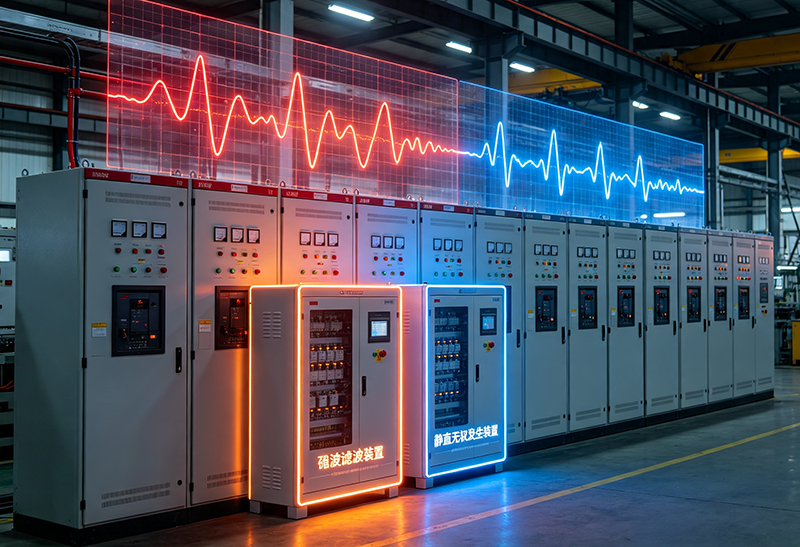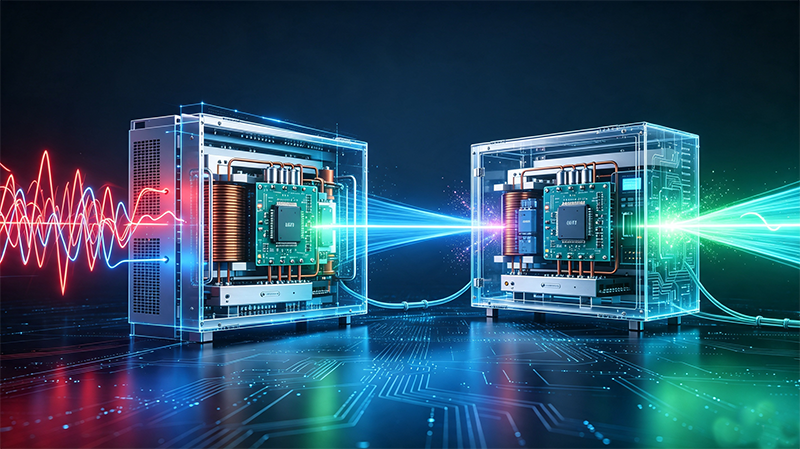
In den heutigen energieintensiven Industrien, Die Gewährleistung stabiler und effizienter elektrischer Systeme ist von entscheidender Bedeutung. Von Produktionsanlagen bis hin zu Rechenzentren, Eine schlechte Stromqualität – verursacht durch Oberschwingungen und einen niedrigen Leistungsfaktor – kann zu Geräteausfällen führen, Energieverluste, und kostspielige Ausfallzeiten.
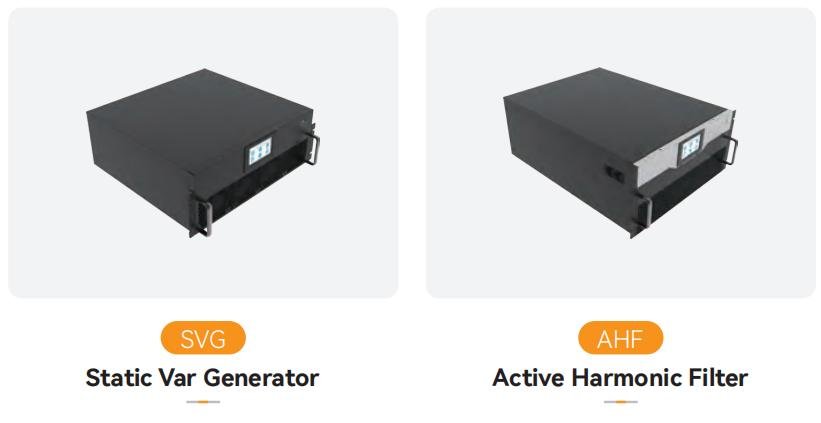
Bei CoEpower, Wir sind auf die Bereitstellung fortschrittlicher Lösungen für die Stromqualität spezialisiert, einschließlich Aktive harmonische Filter (Ahf) Und Statische Var-Generatoren (Svg). Eine der häufigsten Fragen unserer Kunden ist:
„Wie dimensionieren wir AHF und SVG für unser System richtig??”
Dieser Leitfaden bietet eine praktische Anleitung, Ein von Ingenieuren unterstützter Ansatz – kombiniert mit praktischer Erfahrung aus CoEpower-Projekten – hilft Ihnen, die richtige Entscheidung zu treffen.
Warum eine genaue Kapazitätsdimensionierung entscheidend ist
Eine falsche Dimensionierung ist einer der häufigsten Fehler bei Stromqualitätsprojekten.
Unterdimensioniertes System
- Unvollständige harmonische Filterung
- Der Leistungsfaktor bleibt niedrig
- Gefahr einer Überhitzung der Ausrüstung
Übergroßes System
- Höhere Vorabinvestitionen
- Niedrigerer ROI
- Ineffiziente Systemauslastung
Bei CoEpower, Wir legen immer Wert auf Präzision + Flexibilität, Wir stellen sicher, dass jede Lösung sowohl technisch effektiv als auch kosteneffizient ist.
Berechnung der AHF-Kapazität (Harmonische Filterung)
Was macht AHF??
Ein aktiver harmonischer Filter (Ahf) Eliminiert dynamisch Oberschwingungsströme, die durch nichtlineare Lasten wie z:
- VFDs
- UPS -Systeme
- Gleichrichter
Schritt-für-Schritt-Berechnungsmethode
1. Laststrom messen (ICH)
Verwenden Sie einen Netzqualitätsanalysator, um genaue Echtzeitdaten zu erhalten.
2. THDi messen (Gesamtharmonische Verzerrung)
Dies gibt an, wie stark die harmonische Belastung ist.
3. Berechnen Sie den harmonischen Strom
Ih = I × THDi
Beispiel:
- Laststrom = 100 A
- THDi = 30%
Harmonischer Strom = 30 A
4. Vergütungsziel definieren
Industriestandard:
80%–95 % Oberschwingungsminderung
Erforderliches AHF = 30 EIN × 90% = 27 A
5. Fügen Sie technischen Spielraum hinzu
Bei CoEpower, Wir empfehlen:
+10% Zu 20% Marge
Endgültige Auswahl:
30–35 A AHF
CoEpower Insight
Unsere modularen AHF-Lösungen ermöglichen:
- Paralleler Ausbau
- Dynamische Reaktion < 5 MS
- Einhaltung von IEEE 519
Dies gewährleistet eine langfristige Skalierbarkeit ohne Überdimensionierung in der Anfangsphase.
Berechnung der SVG-Kapazität (Reaktive Leistungskompensation)
Was macht SVG??
Ein statischer VAR -Generator (Svg) Verbessert den Leistungsfaktor durch dynamische Kompensation der Blindleistung.
Schritt-für-Schritt-Berechnung
1. Wirkleistung ermitteln (P)
Beispiel:
P = 100 kW
2. Identifizieren Sie den aktuellen Leistungsfaktor
Beispiel:
PF = 0.75
3. Legen Sie den Zielleistungsfaktor fest
Typisches Ziel:
PF ≥ 0.95
4. Formel anwenden
Q = P × (tanφ₁ − tanφ₂)
Beispielergebnis
Von PF 0.75 → 0.95
Erforderlicher SVG ≈ 50–60 kVar
5. Rand hinzufügen
Endgültiges SVG:
60–70 kVar
CoEpower Engineering-Vorteil
CoEpower SVG-Systeme bieten:
- Schnelle Reaktion (<10 MS)
- Kontinuierliche reaktive Kompensation
- Stabile Leistung bei schwankender Belastung
AHF gegen SVG: Welches brauchen Sie??
| Besonderheit | Ahf | Svg |
|---|---|---|
| Funktion | Harmonische Minderung | Leistungsfaktorkorrektur |
| Einheit | A | links |
| Löst | Harmonische (Thdi) | Reaktive Kraft |
| Am besten für | Nichtlineare Lasten | Induktive Lasten |
In vielen realen Projekten, Beide Probleme existieren nebeneinander.
✔ CoEpower-Empfehlung:
Verwenden Sie ein Hybrid-AHF + SVG-Lösung für das vollständige Netzqualitätsmanagement.
Praxisnahe Anwendungsszenarien
Basierend auf CoEpower-Projekterfahrung:
Fertigungsanlagen
- Starke VFD-Nutzung
- Hohe Harmonische + niedriger PF
Rechenzentren
- Empfindliche Ausrüstung
- Strenge Anforderungen an die Stromqualität
Wasseraufbereitungsanlagen
- Pumpensysteme
- Dauerbetrieb
Erneuerbare Energiesysteme
- Solarwechselrichter
- Herausforderungen bei der Netz-Compliance
Der schlüsselfertige Lösungsansatz von CoEpower
Bei CoEpower, Wir liefern nicht nur Produkte – wir liefern Komplettlösungen:
✔ Analyse der Stromqualität vor Ort
Präzise Datenerfassung mit fortschrittlichen Analysegeräten
✔ Maßgeschneidertes Systemdesign
Maßgeschneiderte AHF/SVG-Konfiguration
✔ Modulare Produktarchitektur
Skalierbar und zukunftssicher
✔ Globale Projekterfahrung
Nachgewiesener Erfolg in allen Branchen
Best Practices für optimale Ergebnisse
Zur Maximierung der Systemleistung:
- Führen Sie die Messung immer vor Ort durch
- Berücksichtigen Sie einen Designspielraum von 10–20 %
- Planen Sie eine zukünftige Lasterweiterung
- Stellen Sie die Einhaltung von IEEE sicher 519 / IEC-Standards
- Ziehen Sie integrierte Lösungen in Betracht (Ahf + Svg)
Abschluss
Die richtige Kapazitätsdimensionierung ist die Grundlage jeder erfolgreichen Stromqualitätslösung.
- AHF = harmonischer Strom (A)
- SVG = Blindleistung (links)
- Präzision + Marge = optimale Leistung
Mit dem richtigen Ansatz – und dem richtigen Partner wie CoEpower – können Sie etwas erreichen:
✅ Verbesserte Energieeffizienz
✅ Reduzierte Betriebskosten
✅ Erhöhte Systemzuverlässigkeit
Tags: CoEpower AHF-Lösung, Dimensionierung des aktiven harmonischen Filters, Berechnung der SVG-Kapazität, Anbieter von Stromqualitätslösungen, Harmonisches Minderungssystem, Blindleistungskompensation kVar, Optimierung der industriellen Stromqualität, Lieferanten, Hersteller, Fabrik, Unternehmen, China, Großhandel, kaufen, Preis, Zitat, Schüttgut, zu verkaufen, Unternehmen, Aktie, kosten.