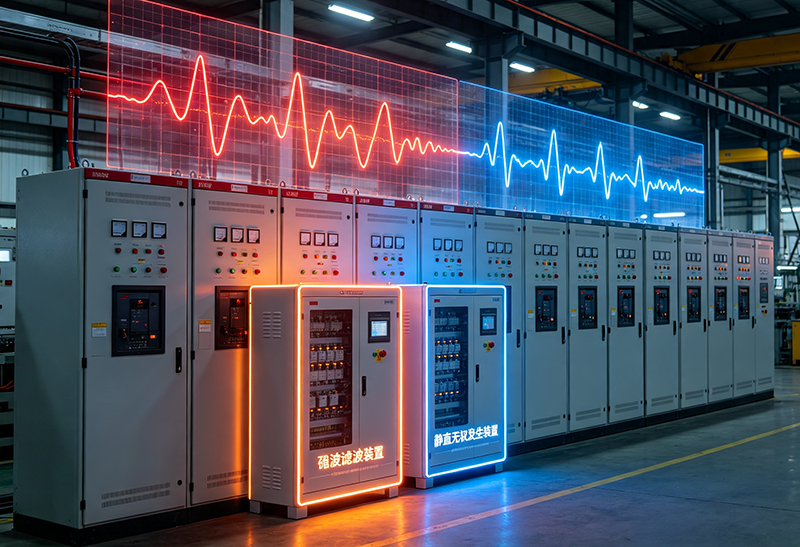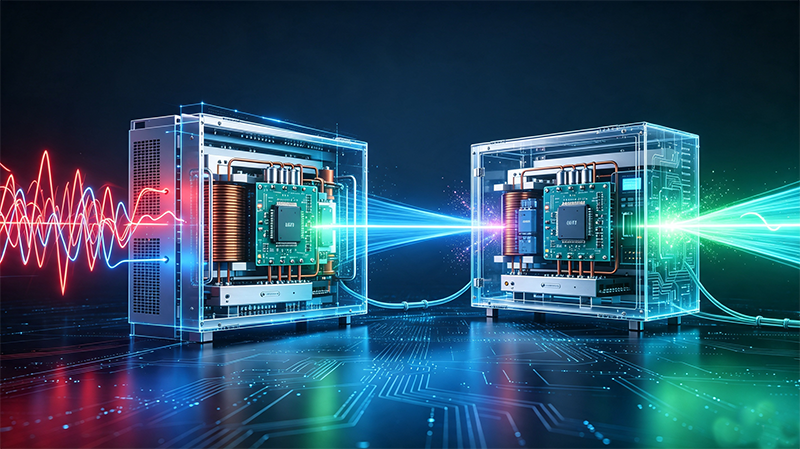
現代の産業環境では, 高い電力品質を維持することはもはやオプションではなく、非常に重要です. CoEpower の上級電気エンジニアとして, 高調波歪みがどのように運用に支障をきたすのかを目の当たりにしました, 敏感な機器にダメージを与える, 運用コストが増加する.
高調波を軽減するために最も広く使用されている 2 つのソリューションは次のとおりです。 アクティブハーモニックフィルター (AHF) と高調波抑制フィルター (HSF) (一般にパッシブ高調波フィルターと呼ばれます). どちらも高調波歪みを低減することを目的としていますが、, 動作方法が異なり、さまざまな用途に適しています.
この記事では包括的な内容を提供します, 産業システムに適切なソリューションを選択するのに役立つ実用的なガイド.
高調波とは何か、なぜそれが重要なのか?
高調波とは、主に次のような非線形負荷によって引き起こされる電気システムの電圧または電流の歪みです。:
- 可変周波数ドライブ (VFDS)
- 整流器とインバーター
- UPSシステム
- 産業用オートメーション機器
これらの歪みは次のような問題を引き起こす可能性があります。:
- 変圧器とケーブルの過熱
- エネルギー損失の増加
- 設備の故障や故障
- IEEE などの標準に準拠しない場合の罰則 519
高調波を効果的に管理することは、システムの信頼性と効率を確保するために不可欠です.
アクティブな高調波フィルターとは何ですか?
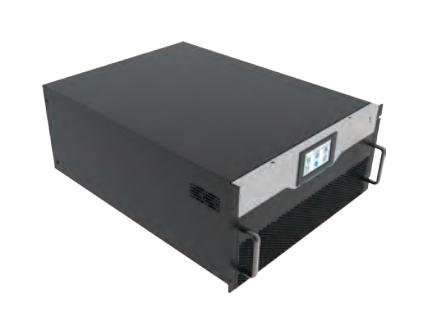
アクティブな高調波フィルター (AHF) 高調波電流をリアルタイムで動的に検出して補償する高度な電子デバイスです.
AHFの主な特徴:
- リアルタイム高調波補償
- 負荷の変化に適応
- 複数の次数の高調波を同時にフィルタリング可能
- 力率も向上し、負荷のバランスも取れます
仕組み:
AHF はパワーエレクトロニクスを使用します (IGBTベースのコンバータ) システムに逆流電流を注入する, 高調波を効果的に打ち消します.
高調波抑制フィルターとは?
高調波抑制フィルター (HSF), 通常はパッシブフィルター, コンデンサの組み合わせを使用して設計されています, インダクタ, 特定の高調波周波数に調整された抵抗器.
HSF の主な特徴:
- 特定の高調波に対する固定補償
- AHFと比較して初期コストが低い
- シンプルな構造と操作
仕組み:
HSF は、ターゲットの高調波周波数に低インピーダンス パスを提供します, それらを電力システムから遠ざける.
アクティブ高調波フィルターと高調波抑制フィルター: 主な違い
| 特徴 | アクティブハーモニックフィルター | 高調波抑制フィルタ |
|---|---|---|
| 動作原理 | リアルタイムの動的補償 | 固定周波数チューニング |
| 柔軟性 | 高い (負荷の変化に適応する) | 低い (特定の高調波用に設計) |
| 高調波カバレッジ | 広範囲 (複数の注文) | 同調周波数に限定される |
| インストール | より複雑な | よりシンプルに |
| 料金 | 初期投資が高い | 初期費用の削減 |
| 共鳴の危険性 | なし | 共振の問題の可能性 |
| 力率補正 | はい (多機能) | 限定 |
アクティブ高調波フィルターを選択すべき場合?
私のエンジニアリングの経験から, AHF は次のシナリオに最適です。:
1. 変動性の高い負荷
製造業などの業種, 採掘, データセンターでは負荷の変動が頻繁に発生します. AHF はリアルタイムで適応します, それらを理想的なものにする.
2. 厳格な電力品質要件
施設が IEEE に準拠する必要がある場合 519 または同様の規格, AHF は正確な高調波制御を提供します.
3. 複雑な高調波プロファイル
複数の高調波周波数が存在する場合, AHF はパッシブ フィルターよりも大幅に優れた性能を発揮します.
4. 多機能性の必要性
AHF は次のことができます。:
- 高調波を補償する
- 正しい力率
- 三相負荷のバランスを取る
これにより、包括的なソリューションになります.
高調波抑制フィルタを選択すべき場合?
HSF (パッシブフィルター) 産業システムでは依然としてその地位を保っています, 特にこのような場合には:
1. 安定した予測可能な負荷
システムが既知の高調波周波数で一貫した条件下で動作している場合, パッシブフィルターが効果的になる可能性がある.
2. 予算の制約
HSF は前払いの費用対効果が高い, 予算が限られたプロジェクトに適したものにする.
3. 簡単なアプリケーション
主要な高調波を持つシステムの場合 (例えば。, 57番目か7番目), 調整されたパッシブフィルターはうまく機能します.
コストに関する考慮事項: 初期投資と長期投資
私がクライアントから受ける最も一般的な質問の 1 つは、:
「どのソリューションがよりコスト効率が高いか?」
アクティブハーモニックフィルター:
- 初期費用が高い
- メンテナンスの軽減
- 長期にわたるエネルギーの節約
- 機器故障のリスクの軽減
高調波抑制フィルタ:
- 初期費用の削減
- 潜在的な隠れたコスト (共振, デチューニング, 非効率)
- システム条件が変化した場合は再設計が必要になる場合があります
エンジニアリングの洞察:
AHF は最初は高価に見えるかもしれませんが、, 多くの場合、動的な産業環境においてより優れた ROI を実現します。.
パフォーマンスと信頼性の比較
アクティブハーモニックフィルター:
- さまざまな負荷の下でも一貫したパフォーマンスを実現
- デチューンの問題はありません
- 複雑なシステムにおける高い信頼性
高調波抑制フィルタ:
- パフォーマンスはシステムの安定性に大きく依存します
- 共振や過負荷の影響を受けやすい
- システムパラメータが変化すると効率が低下する
代表的な産業用途
アクティブ高調波フィルタのアプリケーション:
- データセンター
- 製鉄所
- 自動車製造
- 再生可能エネルギーシステム (太陽/風)
- 病院および重要施設
高調波抑制フィルタのアプリケーション:
- セメント工場
- 水処理施設
- HVAC システム
- 固定速度モーターの用途
ハイブリッド ソリューション: 両方の長所?
場合によっては, 両方のテクノロジーを組み合わせることで最適な結果が得られます.
ハイブリッド システムでは次のことが可能です。:
- バルク高調波低減用のパッシブフィルター
- 微調整と動的補償のためのアクティブフィルター
このアプローチにより、コストとパフォーマンスのバランスが効果的に得られます.
実用的な選択チェックリスト
アクティブ高調波フィルターと高調波抑制フィルターのどちらを選択する場合, 次のことを考慮してください:
- 負荷の変動性 (安定したものと動的なもの)
- 高調波スペクトルの複雑さ
- コンプライアンス要件 (IEEE 519, IEC規格)
- 予算 (初期コストとライフサイクルコスト)
- スペースと設置の制約
- 今後のシステム拡張予定
結論
アクティブ高調波フィルタと高調波抑制フィルタのどちらを選択するかは、単なる技術的な決定ではなく、施設の効率に対する戦略的投資です。, 信頼性, とコンプライアンス.
CoEpowerでの私の経験から, 一般的なルールは:
- 動的にはアクティブ高調波フィルターを選択してください, 複雑な, 高性能システム
- 安定した高調波抑制フィルターを選択してください, 予測可能な, コスト重視のアプリケーション
システムが進化している場合、または拡張が予想される場合, AHF への投資は、ほとんどの場合、より大きな長期価値をもたらします。.
CoEpowerについて
コエパワーで, 当社は高度な電力品質ソリューションを専門としています, アクティブ高調波フィルターと産業ニーズに合わせてカスタマイズされた高調波軽減システムを含む.
自分のアプリケーションにどのソリューションが適しているかわからない場合, 経験豊富なエンジニアに相談することで、長期的には時間とコストの両方を節約できます.
タグ: アクティブハーモニックフィルター, 高調波抑制フィルタ, 高調波の軽減, 電力品質ソリューション, 産業用電力システム, 高調波歪みフィルター, AHF vs パッシブフィルター, 高調波フィルタリング ソリューション, サプライヤー, メーカー, 工場, 会社, 中国, 卸売, 買う, 価格, 引用, バルク, 販売のため, 企業, ストック, 料金.