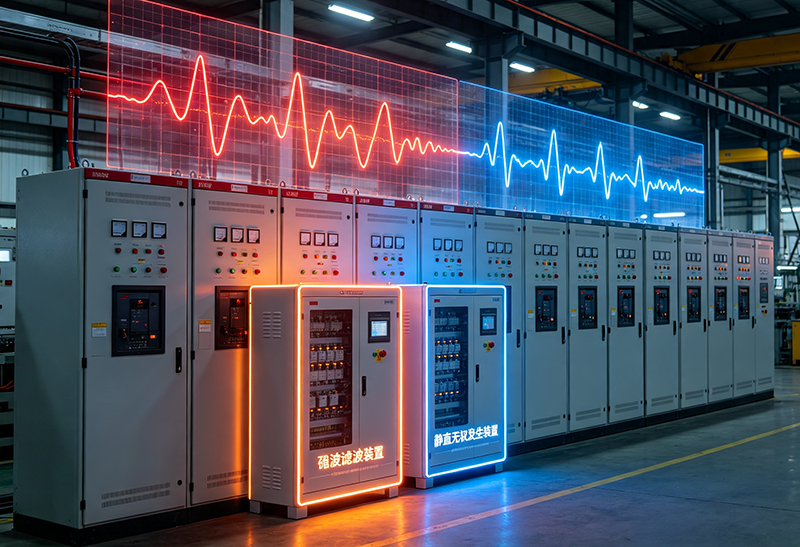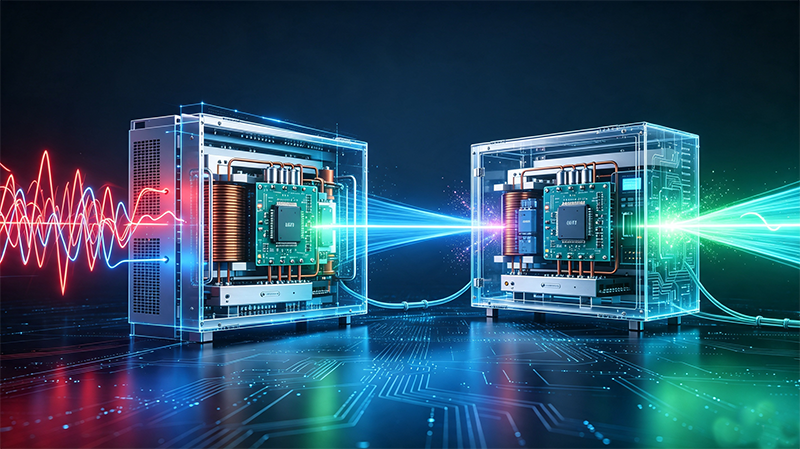
エンジニアが「STATCOM vs SVG」を検索するとき,」彼らはしばしば矛盾した説明に遭遇します. 一部の記事では同一であると書かれています. 他の人はそれらをまったく別のテクノロジーとして扱います. 現実世界の電力システムでは, 答えはさらに微妙です.
CoEpower のシニア電力品質エンジニアとして, 再生可能エネルギー発電所全体の無効電力補償プロジェクトに取り組んできました, 工業工場, 変電所, 製鉄所, 採掘作業, およびデータセンター. EPC 請負業者や電気コンサルタントからの最も一般的な質問の 1 つは次のとおりです。:
「このプロジェクトには STATCOM と SVG のどちらを使用すべきでしょうか?」
この記事では、STATCOM と SVG の実際的なエンジニアリングの違いについて説明します。, 動作原理も含めて, 応答速度, 電圧サポート機能, 高調波性能, コストの考慮事項, および産業用途.
STATCOMとは?
a Statcom (静的同期補償器) 高性能の事実 (フレキシブルAC伝送システム) 電力網で動的無効電力補償と電圧調整を提供するために使用されるデバイス.
STATCOM システムは通常、:
- 電圧源コンバータ (VSC)
- IGBTパワーモジュール
- DCコンデンサバンク
- 高度なデジタル制御アルゴリズム
- 結合トランス
STATCOM の主な目的は次のとおりです。:
- 系統電圧の安定化
- 力率の改善
- 電圧のちらつきを軽減
- 再生可能エネルギーの統合をサポート
- 過渡安定性を強化
- 無効電力補償を迅速に提供
無効電力交換の原理は次のように単純化できます。:
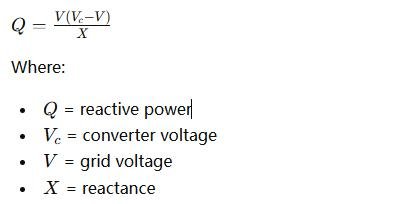
コンバータ電圧がシステム電圧を超えた場合, 容量性無効電力が系統に注入される. 低い場合, 誘導無効電力が吸収されます.
SVGとは?
SVGはStatic Var Generatorの略です.
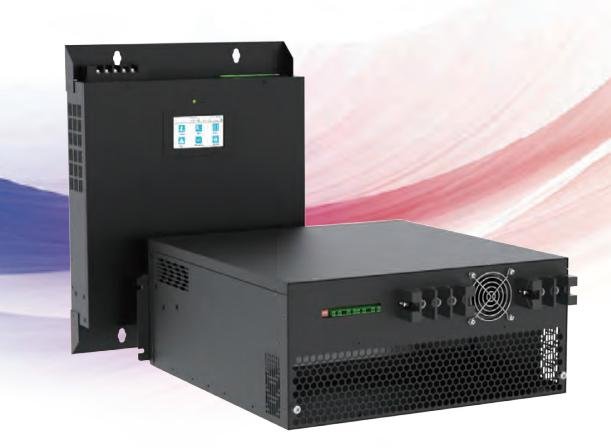
多くの産業市場で, 特にアジアおよび低電圧電力品質アプリケーションで, SVG は、STATCOM システムで使用されているのと同じ VSC テクノロジーに基づく動的無効電力補償デバイスを指します。.
SVG システムは以下の目的で広く使用されています。:
- 力率補正
- 反応性電力補償
- 高調波抑制
- 三相アンバランス補正
- エネルギー効率の最適化
実用的な業界用語で:
- STATCOM は通常、中電圧および伝送レベルのアプリケーションに関連付けられます。.
- SVG は一般に、低電圧産業用補償システムと関連付けられています。.
しかし, 技術的に, どちらのデバイスも非常に似た基本原理を共有しています.
STATCOM vs SVG: コアの違い
オンラインでの最大の混乱は、多くの Web サイトが関係を単純化しすぎていることです。.
これがエンジニアリングの現実です:
| 特徴 | Statcom | SVG |
|---|---|---|
| フルネーム | 静的同期補償器 | 静的varジェネレーター |
| 標準的な電圧レベル | 中くらい & 高電圧 | 低い & 中電圧 |
| 主な用途 | グリッドの安定性 & 電圧調整 | 産業用力率補正 |
| テクノロジー | VSCベース | VSCベース |
| 応答速度 | 非常に速い | 非常に速い |
| ダイナミック電圧のサポート | 強い | 中程度から強い |
| 高調波補償 | 高度な機能 | 一般的に統合されている |
| 一般的な設置方法 | 公共変電所, 再生可能な植物 | 工場, 商業ビル |
| システムの複雑さ | より高い | より低い |
| 料金 | より高い | より経済的 |
多くのメーカーは、両方ともパワー エレクトロニクスとリアルタイム無効電力注入に依存しているため、この用語を同じ意味で使用しています。.
エンジニアリングの観点から:
- STATCOMは系統の動的安定性をより重視します
- SVG は産業用無効電力補償に重点を置いています
従来のコンデンサバンクではもう不十分な理由
従来のコンデンサバンクはまだ多くの工場に存在しています, しかし、最新の非線形負荷は新たな電力品質の課題を生み出します:
- 可変周波数ドライブ (VFDS)
- 電気炉
- 大型モーター
- CNC装置
- データセンター
- EV充電ステーション
- 太陽光発電インバータ
- 風力タービンコンバータ
これらの負荷により生成されるのは、:
- ハーモニクス
- 電圧変動
- 無効電力の急激な変化
- ちらつき
- 三相アンバランス
従来のコンデンサバンクは十分に迅速に応答できません.
典型的なコンデンサのスイッチング応答:
- 5–20秒
典型的な SVG/STATCOM 応答:
- 未満 10 ミリ秒
この速度の違いは、最新のスマート グリッドや高速産業プロセスにおいて重要です。.
再生可能エネルギー システムにおける STATCOM と SVG の比較
再生可能エネルギーは、STATCOM テクノロジーの最も急速に成長しているアプリケーションの 1 つです.
太陽光発電所と風力発電所は、発電量が継続的に変化するため、不安定な無効電力状態を生み出します。.
STATCOM は次のように支援します:
- 弱いグリッドのサポート
- PCC電圧の安定化
- 会議ユーティリティ グリッド コード
- 電圧変動の低減
- 低電圧ライドスルーの改善 (LVRT)
大規模な事業規模の再生可能プラント向け, STATCOMは多くの場合必須です.
SVG システムは以下の分野でより一般的です。:
- 商業用屋上太陽光発電
- 産業用太陽光発電システム
- 分散型発電プロジェクト
高調波緩和機能
最新の SVG システムには高調波補償機能が含まれることがよくあります.
これにより、同時に提供できるようになります。:
- 反応性電力補償
- 高調波フィルタリング
- ロードバランシング
多くの低電圧アプリケーションで, SVGユニットは以下と統合されています:
- アクティブハーモニックフィルター (AHF)
- APFモジュール
- ハイブリッド補償システム
STATCOM システムは高調波も軽減できます, 特に高度な実用規模の設備では.
STATCOM と SVG の応答時間
エンジニアリング上の最も重要な利点の 1 つは、動的応答速度です。.
応答<10MS
この超高速補正により、:
- 安定したモーター始動
- 電圧低下の低減
- ちらつきの抑制
- 溶接システムの安定性の向上
- クレーン操作の向上
- 安定したアーク炉性能
これは特に重要です:
- 製鉄所
- 採掘施設
- 港湾設備
- 石油化学産業
どちらが良いですか: STATCOM または SVG?
正しい質問は「どちらが良いか」ではありません?」
エンジニアリング上の本当の疑問は、:
「あなたのアプリケーションにはどちらが適していますか?」
必要に応じて STATCOM を選択してください:
- 実用規模の電圧調整
- 送電網のサポート
- 再生可能エネルギーの統合
- 動的グリッド安定化
- 中高圧補償
- 弱いグリッドのサポート
必要に応じてSVGを選択してください:
- 産業用力率補正
- 高速無効電力補償
- 工場のエネルギー効率改善
- 高調波緩和
- 低電圧無効補償
- プロジェクトコストの削減
SVG システムの一般的なアプリケーション
SVGは広く使われています:
- 製造工場
- 半導体工場
- データセンター
- 病院
- 商業ビル
- 地下鉄の鉄道システム
- EV充電インフラ
- 水処理施設
これらのアプリケーションには次のものが必要です:
- 安定した力率
- 公共料金のペナルティの軽減
- トランス損失の低減
- システム効率の向上
STATCOM システムの一般的なアプリケーション
STATCOM は以下の地域でより一般的です:
- 公共変電所
- 風力発電所
- 太陽光発電所
- HVDC システム
- 鉄道牽引システム
- マイニンググリッド
- 伝送ネットワーク
これらのアプリケーションは優先順位を付けます:
- 電圧安定性
- グリッドの回復力
- 動的な事後対応サポート
- 障害乗り越え機能
STATCOM と SVG のコスト比較
コストは以下に大きく依存します:
- 電圧レベル
- 補償能力
- 高調波要件
- インストール環境
- 冷却方法
- 冗長設計
一般的に:
- SVG システムは産業用低電圧プロジェクトにとってより経済的です
- STATCOM システムは、中電圧/高電圧インフラストラクチャのためより高価です
しかし, エネルギー損失と力率ペナルティの削減によるライフサイクルの節約により、迅速な ROI が得られます.
今後の動向: SVG と STATCOM の融合
SVGとSTATCOMの間の境界線はますます曖昧になりつつある.
最新のシステムが結合されるようになりました:
- リアクティブ補償
- 高調波フィルタリング
- エネルギー貯蔵の統合
- AIベースの電力品質管理
- リアルタイムグリッド分析
現在、多くのメーカーが低電圧 STATCOM 製品を SVG システムとして販売しており、その逆も同様です。.
基盤となるテクノロジーはインテリジェント化に向けて収束しつつある, デジタル, 高速電力品質プラットフォーム.
CoEpower エンジニアからの最終的な意見
長年にわたるフィールドエンジニアリングの経験を経て, 最も簡単な説明は次のとおりです:
- STATCOM は通常、グリッドレベルのソリューションです
- SVG は通常、産業レベルのソリューションです
どちらも高度なパワー エレクトロニクスを使用して、従来のコンデンサ バンクよりもはるかに効果的に無効電力の問題を解決します。.
プロジェクトに関連する場合:
- 急速に変化する負荷
- 再生可能エネルギー
- ハーモニクス
- 電圧の不安定性
- 力率が悪い
その場合、SVG または STATCOM テクノロジが正しい方向である可能性があります.
コエパワーで, 私たちはEPC請負業者を支援します, 公共事業, および産業施設は、マーケティング用語ではなく、実際の動作条件に基づいて最適な無効電力補償ソリューションを選択します。.
よくある質問
SVG は STATCOM と同じですか?
技術的には, どちらも同様の VSC ベースのリアクティブ補償テクノロジーを使用しています. しかし, SVG は産業用の低電圧アプリケーションに一般的に使用されます, 一方、STATCOM は公益事業および中/高電圧システムに関連しています。.
どちらがより早く反応するか: コンデンサバンクまたはSVG?
SVG システムはミリ秒以内に応答します, コンデンサバンクには数秒かかる場合があります.
SVG で高調波を低減できるか?
はい. 最新の SVG システムの多くには高調波補償機能が含まれています.
STATCOMが太陽光発電所で使用される理由?
STATCOM は動的な電圧サポートを提供し、再生可能エネルギー発電所が系統コード要件に準拠できるように支援します。.
SVG は力率を改善しますか?
はい. SVG システムは無効電力を動的に補償し、ほぼ 1 の力率を維持します.
タグ: 統計コムとSVGの比較, 統計コムの意味, SVG電気, 静的varジェネレーター, 静的同期補償器, 反応性電力補償, 力率補正, スタットコムの動作原理, SVGとコンデンサバンクの比較, 動的リアクティブ補償, 産業用SVGソリューション, 中電圧統計コム, 電力品質のソリューション, 高調波の軽減, 電圧の安定化, サプライヤー, メーカー, 工場, 会社, 中国, 卸売, 買う, 価格, 引用, バルク, 販売のため, 企業, ストック, 料金.