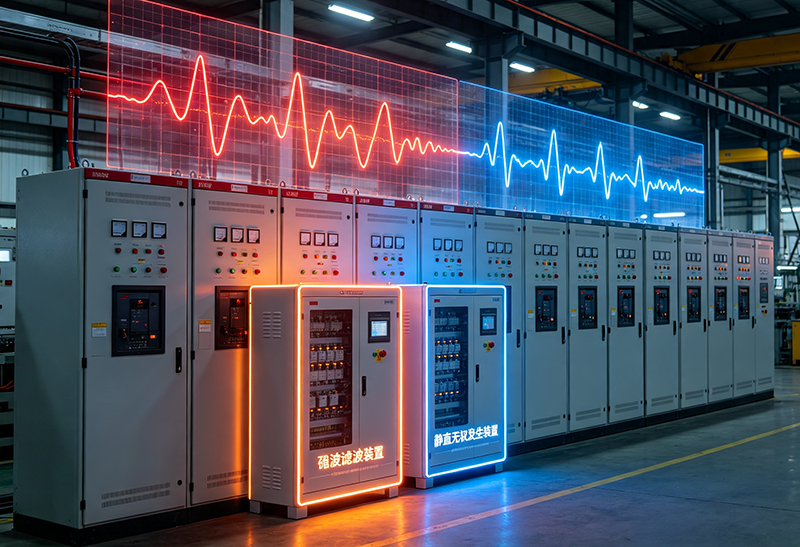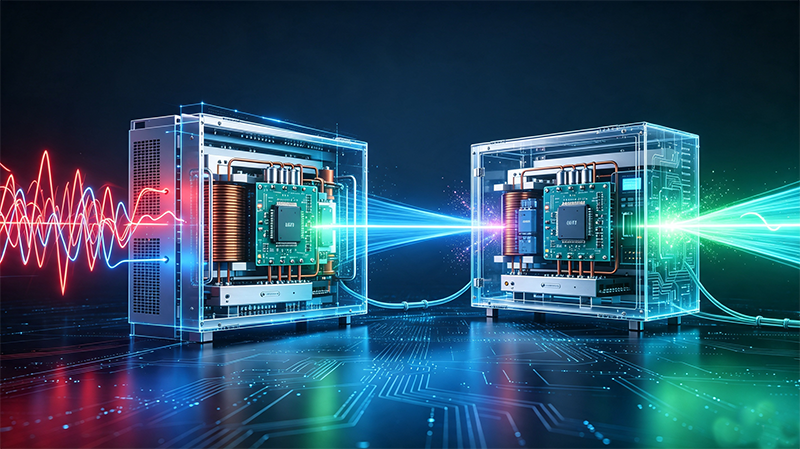
Dans les industries à forte consommation d’énergie d’aujourd’hui, il est essentiel de garantir des systèmes électriques stables et efficaces. Des usines de fabrication aux centres de données, une mauvaise qualité de l'énergie, causée par les harmoniques et un faible facteur de puissance, peut entraîner des pannes d'équipement, pertes d'énergie, et des temps d'arrêt coûteux.
Chez CoEpower, nous sommes spécialisés dans la fourniture de solutions avancées de qualité de l'énergie, y compris Filtres harmoniques actifs (Ahf) et Générateurs de variables statiques (SVG). L'une des questions les plus fréquemment posées par nos clients est:
"Comment dimensionner correctement AHF et SVG pour notre système?»
Ce guide fournit une, une approche soutenue par des ingénieurs, combinée à une expérience concrète des projets CoEpower, pour vous aider à prendre la bonne décision.
Pourquoi un dimensionnement précis des capacités est essentiel
Un dimensionnement inapproprié est l'une des erreurs les plus courantes dans les projets de qualité de l'énergie..
Système sous-dimensionné
- Filtrage harmonique incomplet
- Le facteur de puissance reste faible
- Risques de surchauffe des équipements
Système surdimensionné
- Un investissement initial plus élevé
- Un retour sur investissement inférieur
- Utilisation inefficace du système
Chez CoEpower, nous insistons toujours sur la précision + flexibilité, garantir que chaque solution est à la fois techniquement efficace et rentable.
Calcul de la capacité AHF (Filtrage harmonique)
Que fait l’AHF?
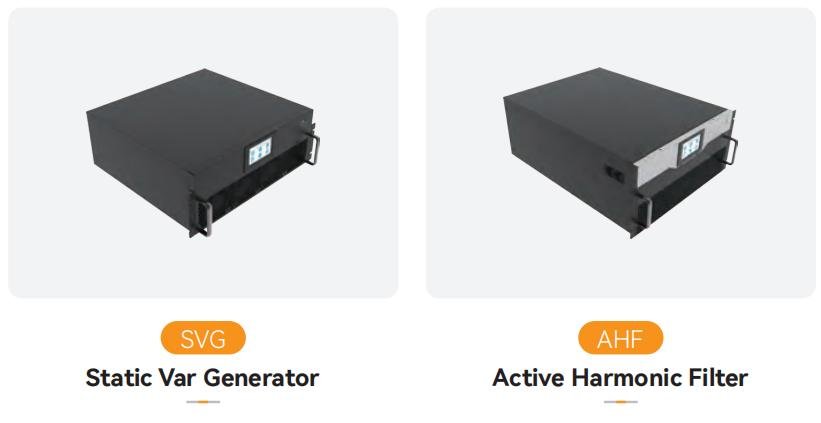
Un filtre harmonique actif (Ahf) élimine dynamiquement les courants harmoniques générés par les charges non linéaires telles que:
- VFDS
- Systèmes UPS
- Redresseurs
Méthode de calcul étape par étape
1. Mesurer le courant de charge (je)
Utilisez un analyseur de qualité de l'énergie pour obtenir des données précises en temps réel.
2. Mesurer le THDi (Distorsion harmonique totale)
Cela indique la gravité de la pollution harmonique..
3. Calculer le courant harmonique
Ih = I × THDi
Exemple:
- Courant de charge = 100 UN
- THDi = 30%
Courant harmonique = 30 UN
4. Définir l'objectif de rémunération
Norme industrielle:
80%–95 % d’atténuation des harmoniques
AHF requis = 30 Un × 90% = 27 UN
5. Ajouter une marge d'ingénierie
Chez CoEpower, nous recommandons:
+10% à 20% marge
Sélection finale:
30–35 A AHF
Aperçu de CoEpower
Nos solutions modulaires AHF permettent:
- Expansion parallèle
- Réponse dynamique < 5 MS
- Conformité à l'IEEE 519
Cela garantit une évolutivité à long terme sans surdimensionnement au stade initial.
Calcul de la capacité SVG (Compensation de puissance réactive)
Que fait SVG?
Un générateur VAR statique (SVG) améliore le facteur de puissance en compensant dynamiquement la puissance réactive.
Calcul étape par étape
1. Déterminer la puissance active (P.)
Exemple:
P = 100 kW
2. Identifier le facteur de puissance actuel
Exemple:
FP = 0.75
3. Définir le facteur de puissance cible
Objectif typique:
FP ≥ 0.95
4. Appliquer la formule
Q = P × (tanφ₁ − tanφ₂)
Exemple de résultat
De PF 0.75 → 0.95
SVG requis ≈ 50–60 kVar
5. Ajouter une marge
SVG final:
60–70kVar
Avantage d'ingénierie CoEpower
Offre de systèmes CoEpower SVG:
- Réponse rapide (<10 MS)
- Compensation réactive continue
- Performances stables sous des charges fluctuantes
AHF contre SVG: Lequel avez-vous besoin?
| Fonctionnalité | Ahf | SVG |
|---|---|---|
| Fonction | Atténuation harmonique | Correction du facteur de puissance |
| Unité | UN | gauche |
| Résout | Harmonique (Thdi) | Puissance réactive |
| Idéal pour | Charges non linéaires | Charges inductives |
Dans de nombreux projets du monde réel, les deux problèmes coexistent.
✔ Recommandation CoEpower:
Utiliser un AHF hybride + Solution SVG pour une gestion complète de la qualité de l'énergie.
Scénarios d'application réels
Basé sur l'expérience du projet CoEpower:
Usines de fabrication
- Utilisation intensive du VFD
- Harmoniques élevées + faible PF
Centres de données
- Matériel sensible
- Exigences strictes en matière de qualité de l’énergie
Usines de traitement de l'eau
- Systèmes de pompe
- Fonctionnement continu
Systèmes d'énergie renouvelable
- Onduleurs solaires
- Défis de conformité du réseau
Approche de solution clé en main CoEpower
Chez CoEpower, nous ne fournissons pas seulement des produits, nous fournissons des solutions complètes:
✔ Analyse de la qualité de l'énergie sur site
Collecte de données précise à l'aide d'analyseurs avancés
✔ Conception de système personnalisée
Configuration AHF/SVG sur mesure
✔ Architecture de produit modulaire
Évolutif et évolutif
✔ Expérience de projet globale
Succès avéré dans tous les secteurs
Meilleures pratiques pour des résultats optimaux
Pour maximiser les performances du système:
- Effectuez toujours des mesures sur site
- Inclure une marge de conception de 10 à 20 %
- Planifier une future expansion de la charge
- Assurer la conformité avec IEEE 519 / Normes CEI
- Envisagez des solutions intégrées (Ahf + SVG)
Conclusion
Un dimensionnement correct de la capacité est la base de toute solution réussie de qualité de l’énergie.
- AHF = courant harmonique (UN)
- SVG = puissance réactive (gauche)
- Précision + marge = performance optimale
Avec la bonne approche et le bon partenaire comme CoEpower, vous pouvez réaliser:
✅ Efficacité énergétique améliorée
✅ Coûts opérationnels réduits
✅ Fiabilité améliorée du système
Balises: Solution CoEpower AHF, Dimensionnement du filtre harmonique actif, Calcul de la capacité SVG, fournisseur de solutions de qualité d'énergie, système d'atténuation harmonique, compensation de puissance réactive kVar, optimisation de la qualité de l'énergie industrielle, fournisseurs, fabricants, usine, entreprise, Chine, de gros, acheter, prix, citation, en gros, à vendre, entreprise, action, coût.