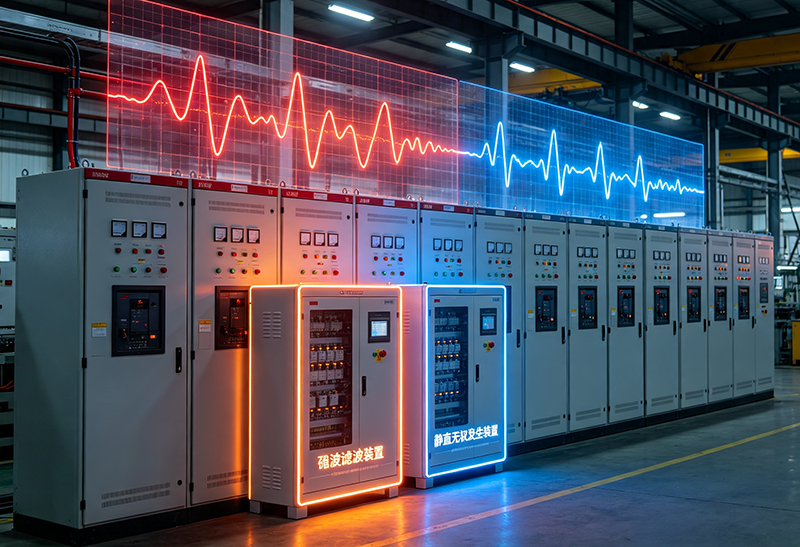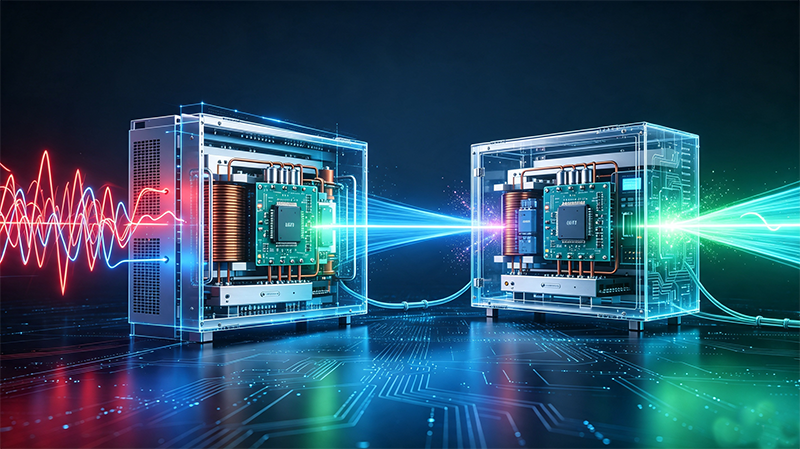
Alors que les installations industrielles deviennent de plus en plus dépendantes des équipements électroniques de puissance, La distorsion harmonique est devenue l'un des problèmes de qualité d'énergie les plus courants auxquels sont confrontés les ingénieurs aujourd'hui.. Variateurs de fréquence (VFDS), redresseurs, Systèmes UPS, fours à induction, Chargeurs de VE, et les onduleurs pour énergies renouvelables introduisent tous des harmoniques dans les systèmes électriques.
Des harmoniques excessives peuvent entraîner une surchauffe des transformateurs, pannes de condensateur, déclenchement intempestif, durée de vie réduite des équipements, et problèmes de conformité des services publics. Par conséquent, la sélection de la bonne solution d’atténuation des harmoniques est essentielle pour maintenir la fiabilité et l’efficacité énergétique du système.
Parmi les solutions les plus utilisées figurent filtres d'harmoniques triphasés et Filtres harmoniques actifs (APF). Bien que les deux technologies soient conçues pour réduire la distorsion harmonique, leurs principes de fonctionnement, caractéristiques de performance, et les scénarios d'application diffèrent considérablement.
En tant qu'ingénieur électricien senior chez CoEpower, Je suis souvent sollicité par les gestionnaires d'installations et les ingénieurs-conseils:
“Dois-je installer un filtre d'harmoniques triphasé traditionnel ou un filtre d'harmoniques actif?”
Dans cet article, Je vous expliquerai les différences entre ces deux technologies et vous aiderai à déterminer quelle solution est la mieux adaptée à votre installation..
Comprendre les harmoniques dans les systèmes électriques industriels
Avant de comparer les technologies de filtrage, il est important de comprendre ce que sont les harmoniques.
Dans un système électrique idéal, les formes d'onde de tension et de courant sont des ondes sinusoïdales pures fonctionnant à 50 Hz ou 60 HZ.
Cependant, les charges non linéaires consomment du courant par impulsions plutôt que par des modèles sinusoïdaux lisses. Cela crée des composantes de fréquence supplémentaires appelées harmoniques..
Les ordres harmoniques courants incluent:
- 3ème harmonique (150 HZ)
- 5ème harmonique (250 HZ)
- 7ème harmonique (350 HZ)
- 11ème harmonique (550 HZ)
- 13ème harmonique (650 HZ)
Les équipements les plus non linéaires installés dans une installation, plus la distorsion harmonique est grande.
Les conséquences typiques incluent:
- Surchauffe du transformateur
- Augmentation des pertes de câble
- Pannes de batterie de condensateurs
- Vibrations du moteur
- Détérioration du facteur de puissance
- Temps d'arrêt de production
- Non-conformité à l'IEEE 519 exigences
C'est là que les filtres d'harmoniques deviennent essentiels.
Qu'est-ce qu'un filtre harmonique triphasé?
Un filtre harmonique triphasé, communément appelé filtre d'harmoniques passif, est un dispositif de filtrage composé d'inducteurs, condensateurs, et parfois des résistances.
Il est conçu pour créer un chemin à faible impédance pour des fréquences harmoniques spécifiques, détourner les courants harmoniques du système électrique.
Comment ça marche
Les filtres passifs sont réglés pour cibler des fréquences harmoniques prédéterminées.
Par exemple:
- 5filtre d'harmoniques
- 7filtre d'harmoniques
- 11filtre d'harmoniques
Lorsque des courants harmoniques à ces fréquences sont présents, ils s'écoulent dans le filtre plutôt que dans le réseau de distribution.
Le résultat est une distorsion harmonique réduite dans tout le système.
Avantages des filtres harmoniques triphasés
Coût initial inférieur
Les filtres passifs coûtent généralement moins cher que les filtres d'harmoniques actifs pour le même courant nominal.
Cela les rend attractifs pour les projets aux budgets limités.
Construction simple
La technologie est utilisée depuis des décennies et se compose principalement de composants électriques passifs.
Aucun algorithme de contrôle sophistiqué n'est requis.
Applications haute capacité
Les filtres passifs peuvent être conçus pour de très grandes charges industrielles où les fréquences harmoniques restent prévisibles.
Compensation de puissance réactive
De nombreux filtres passifs assurent simultanément l'atténuation des harmoniques et la correction du facteur de puissance..
Limites des filtres harmoniques triphasés
Malgré leurs avantages, les filtres passifs présentent plusieurs inconvénients.
Rémunération fixe
Les filtres passifs ciblent uniquement les harmoniques pour lesquelles ils sont spécifiquement conçus.
Si les caractéristiques de charge changent, l'efficacité du filtre peut diminuer.
Risque de résonance
L'une des préoccupations les plus importantes est la résonance harmonique.
Des filtres passifs mal conçus peuvent avoir un impact sur le réseau électrique, amplifier réellement les harmoniques plutôt que de les réduire.
Flexibilité réduite
Les installations industrielles augmentent souvent leur production ou installent de nouveaux équipements.
Un filtre passif conçu aujourd'hui pourrait ne pas répondre de manière adéquate aux futures conditions harmoniques..
Couverture harmonique limitée
La plupart des filtres passifs ciblent uniquement des ordres harmoniques spécifiques.
Les harmoniques d'ordre supérieur peuvent rester non traitées.
Qu'est-ce qu'un filtre harmonique actif (APF)?
Un filtre harmonique actif est un dispositif électronique de puissance avancé qui mesure dynamiquement les courants harmoniques et injecte des courants de compensation égaux et opposés dans le système..
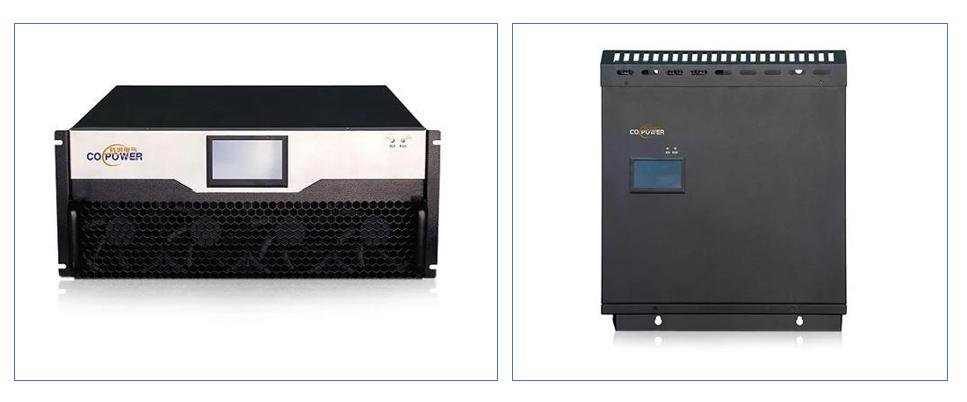
Au lieu d'absorber les harmoniques comme les filtres passifs, Les APF les annulent activement.
Cette technologie est largement considérée comme la solution la plus avancée pour l'atténuation des harmoniques dans les systèmes électriques industriels modernes..
Comment fonctionnent les filtres harmoniques actifs
L'APF surveille en permanence les formes d'onde actuelles à l'aide de processeurs de signaux numériques à grande vitesse (DSP).
Le système:
- Détecte les composants harmoniques
- Calcule les exigences de rémunération
- Génère des courants harmoniques inverses
- Injecte des courants de compensation dans le réseau
Les harmoniques indésirables sont effectivement annulées en temps réel.
Le processus se produit en quelques millisecondes.
À mesure que les conditions de charge changent, l'APF ajuste automatiquement sa stratégie de rémunération.
Avantages des filtres harmoniques actifs
Compensation harmonique dynamique
Contrairement aux filtres passifs, Les APF s'adaptent instantanément aux conditions de charge changeantes.
Cela les rend idéaux pour les installations avec des calendriers de production variables.
Large couverture harmonique
Un seul APF peut compenser simultanément:
- 2ème à 50ème harmonique
- Harmoniques étranges
- Même les harmoniques
- Interharmoniques
Aucun réglage n'est requis.
Aucun risque de résonance
Parce que les APF ne reposent pas sur des circuits de résonance LC, ils éliminent le risque d'amplification harmonique.
Cela améliore considérablement la fiabilité du système.
Compensation de puissance réactive
Les APF modernes peuvent fournir:
- Filtrage harmonique
- Compensation de puissance réactive
- Correction du facteur de puissance
- Équilibrage de charge
Le tout dans un seul appareil.
Conformité à l'IEEE 519
De nombreuses installations utilisent les APF pour se conformer à la norme IEEE 519 normes harmoniques et exigences des services publics.
Limites des filtres harmoniques actifs
Investissement initial plus élevé
Les APF nécessitent généralement un investissement initial plus important que les filtres passifs.
Cependant, les coûts du cycle de vie sont souvent inférieurs grâce à une efficacité et une flexibilité améliorées.
Composants électroniques
Comme appareils électroniques de puissance, Les APF contiennent des IGBT, contrôleurs, et systèmes de refroidissement qui nécessitent un entretien approprié.
Planification des capacités
Des charges harmoniques extrêmement importantes peuvent nécessiter plusieurs unités APF fonctionnant en parallèle.
Comparaison côte à côte
| Fonctionnalité | Filtre harmonique triphasé | Filtre harmonique actif |
| Technologie | Réseau LC passif | Électronique de puissance |
| Couverture harmonique | Harmoniques sélectionnées | Large spectre |
| Rémunération dynamique | Non | Oui |
| Adaptabilité de la charge | Limité | Excellent |
| Risque de résonance | Oui | Non |
| Compensation de puissance réactive | Possible | Oui |
| Compatibilité des extensions futures | Limité | Haut |
| Entretien | Faible | Modéré |
| Coût initial | Inférieur | Plus haut |
| Flexibilité à long terme | Faible | Excellent |
| IEEE 519 Conformité | Modéré | Excellent |
Quelles industries préfèrent les filtres harmoniques passifs?
Les filtres d'harmoniques passifs sont couramment utilisés dans:
- Cimenteries
- Aciéries
- Installations minières
- Usines de traitement de l'eau
- Applications de gros moteurs
Ces environnements ont souvent des profils de charge relativement stables où les caractéristiques harmoniques restent prévisibles.
Quelles industries préfèrent les filtres harmoniques actifs?
Chez CoEpower, nous recommandons fréquemment les APF pour:
- Fabrication de semi-conducteurs
- Centres de données
- Bâtiments commerciaux
- Hôpitaux
- Bornes de recharge EV
- Centrales solaires
- Systèmes de stockage d'énergie par batterie (BESS)
- Fabrication d'électronique
- Production de silicium monocristallin
Ces applications impliquent généralement des charges non linéaires évoluant rapidement et nécessitant une compensation dynamique..
Coût vs performance: La vraie décision
De nombreux acheteurs se concentrent uniquement sur le prix de l'équipement.
Cependant, des ingénieurs expérimentés évaluent:
- Pertes d'énergie
- Risque d’arrêt de production
- Frais d'entretien
- Exigences d'extension
- Pénalités des services publics
- Durée de vie de l'équipement
Même si les filtres passifs peuvent avoir des coûts initiaux inférieurs, Les APF offrent souvent une plus grande valeur à long terme en raison de leur flexibilité et de leurs performances supérieures..
Pour les installations prévoyant une expansion future ou exploitant des charges très variables, les filtres actifs d'harmoniques constituent généralement le choix le plus économique tout au long du cycle de vie de l'équipement..
Recommandation de CoEpower
Après avoir mis en œuvre des projets d'atténuation des harmoniques dans l'ensemble du secteur manufacturier, énergie renouvelable, et les secteurs commerciaux, notre équipe d'ingénierie a observé une tendance claire.
Pour les installations industrielles modernes avec des charges non linéaires variables, Les filtres harmoniques actifs offrent le plus haut niveau d’amélioration de la qualité de l’énergie, flexibilité opérationnelle, et à l'épreuve du temps.
Les filtres d'harmoniques passifs restent une solution viable pour les environnements de charge stables et les projets sensibles au budget. Cependant, pour les installations visant à atteindre des normes harmoniques strictes, maximiser la fiabilité des équipements, et soutenir la croissance future, Les APF sont souvent la technologie préférée.
Conclusion
Les filtres d'harmoniques triphasés et les filtres d'harmoniques actifs jouent un rôle important dans l'atténuation des harmoniques.. La meilleure solution dépend du profil de charge de votre installation, niveaux harmoniques, plans d'expansion, et objectifs de qualité de l’énergie.
Choisissez un filtre harmonique triphasé si:
- Les sources harmoniques sont prévisibles
- Les conditions de charge sont stables
- Le budget est une préoccupation majeure
Choisissez un Filtre harmonique actif (APF) si:
- Les conditions harmoniques changent fréquemment
- Des performances de filtrage élevées sont requises
- IEEE 519 la conformité est importante
- Une future extension du système est attendue
Chez CoEpower, nous aidons nos clients à analyser les données sur la qualité de l'énergie et à sélectionner la solution d'atténuation des harmoniques la plus rentable en fonction des conditions de fonctionnement réelles.
Si votre établissement connaît un THD excessif, pannes de condensateur, surchauffe du transformateur, ou mauvais facteur de puissance, notre équipe d'ingénierie peut fournir une solution personnalisée d'analyse et de filtrage des harmoniques adaptée à vos besoins.
Balises:
Filtre harmonique triphasé, Filtre harmonique actif, APF, Atténuation harmonique, Filtre harmonique vs APF, Harmoniques industrielles, Solutions de qualité de l'énergie, Filtre harmonique passif, Filtre d'alimentation actif, Correction du facteur de puissance, Réduction de la distorsion harmonique, Filtrage des harmoniques électriques, Qualité de l’énergie industrielle, CoEpower APF, IEEE 519 Conformité, fournisseurs, fabricants, usine, entreprise, Chine, de gros, acheter, prix, citation, en gros, à vendre, entreprise, action, coût.